


 Japan Economy Poised for Q4 2025 Growth as Investment and Consumption Hold Firm
  Trump Signs Executive Order Threatening 25% Tariffs on Countries Trading With Iran
  Oil Prices Slide on US-Iran Talks, Dollar Strength and Profit-Taking Pressure
  Singapore Budget 2026 Set for Fiscal Prudence as Growth Remains Resilient
  Dow Hits 50,000 as U.S. Stocks Stage Strong Rebound Amid AI Volatility
  Trump’s Inflation Claims Clash With Voters’ Cost-of-Living Reality
  Trump Lifts 25% Tariff on Indian Goods in Strategic U.S.–India Trade and Energy Deal
  U.S.-India Trade Framework Signals Major Shift in Tariffs, Energy, and Supply Chains
  Bank of Japan Signals Readiness for Near-Term Rate Hike as Inflation Nears Target
  South Africa Eyes ECB Repo Lines as Inflation Eases and Rate Cuts Loom
  South Korea Assures U.S. on Trade Deal Commitments Amid Tariff Concerns
  Japanese Pharmaceutical Stocks Slide as TrumpRx.gov Launch Sparks Market Concerns
  Gold and Silver Prices Rebound After Volatile Week Triggered by Fed Nomination
  South Korea’s Weak Won Struggles as Retail Investors Pour Money Into U.S. Stocks
  Dollar Steadies Ahead of ECB and BoE Decisions as Markets Turn Risk-Off
  Gold Prices Slide Below $5,000 as Strong Dollar and Central Bank Outlook Weigh on Metals
  Vietnam’s Trade Surplus With US Jumps as Exports Surge and China Imports Hit Record


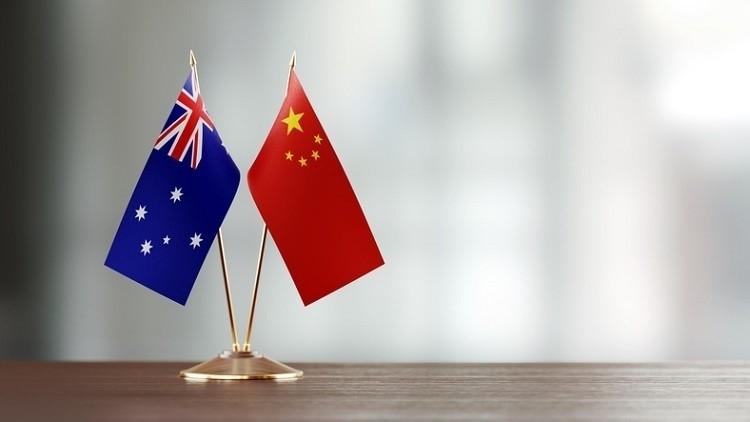
Chinese investment in Australia declined 61 percent to just over $780 million in 2020 amid a diplomatic rift.
There were only 20 Chinese investments made in 2020, way below the 111 recorded in 2016.
Last year's decline was preceded by a 47 percent drop from 2019 when the Chinese invested $1.57 billion in Australia.
Dr. Shiro Armstrong, director of the East Asian Bureau of Economic Research, noted that China's investment in Australia dropped faster than global foreign investment last year, which fell 42 percent.
After investing across all sectors of Australia's economy in recent years, Chinese firms only bought into real estate with $357 million, mining with $321 million, and manufacturing with $119 million.
The drop in Chinese investments is partly due to Australia's investment settings during the Covid-19 pandemic when every proposed investment was scrutinized by Australia's Foreign Investment Review Board (FIRB).
Previously, only investments worth $930 million or $213 million for investors from countries without a free trade agreement with Australia, were reviewed by the FIRB.
The purpose of the review, which lasts from 30 days to six months, was to prevent distressed Australian assets from being acquired by foreign groups. However, it also delayed investments as the FIRB dealt with a backlog.
The Australian government also added a national security test to its foreign investment laws in July and allowed the treasurer to cancel deals retrospectively.
In August, Treasurer Josh Frydenberg stopped the deal selling Lion Dairy and Drinks, Kirin's wholly-owned Australian subsidiary, to China Mengniu Dairy for $600 million. Trade ties between Australia and China were strained since the former called for a rigorous investigation into the origins of the Covid-19 pandemic in April.
China has since imposed tariffs or trading restrictions on Australian products, such as wine, lobster, beef, and barley. The tensions also impacted coal.
However, China's demand for Australian iron ore put the trade balance between the two countries on a six-month high in December.













