


 Dollar Near Two-Week High as Stock Rout, AI Concerns and Global Events Drive Market Volatility
  Dow Hits 50,000 as U.S. Stocks Stage Strong Rebound Amid AI Volatility
  Trump Endorses Japan’s Sanae Takaichi Ahead of Crucial Election Amid Market and China Tensions
  Silver Prices Plunge in Asian Trade as Dollar Strength Triggers Fresh Precious Metals Sell-Off
  Trump Lifts 25% Tariff on Indian Goods in Strategic U.S.–India Trade and Energy Deal
  RBI Holds Repo Rate at 5.25% as India’s Growth Outlook Strengthens After U.S. Trade Deal
  China Extends Gold Buying Streak as Reserves Surge Despite Volatile Prices
  Dollar Steadies Ahead of ECB and BoE Decisions as Markets Turn Risk-Off
  Thailand Inflation Remains Negative for 10th Straight Month in January
  U.S.-India Trade Framework Signals Major Shift in Tariffs, Energy, and Supply Chains
  India–U.S. Interim Trade Pact Cuts Auto Tariffs but Leaves Tesla Out
  Gold and Silver Prices Slide as Dollar Strength and Easing Tensions Weigh on Metals
  U.S. Stock Futures Slide as Tech Rout Deepens on Amazon Capex Shock
  South Korea Assures U.S. on Trade Deal Commitments Amid Tariff Concerns
  Trump’s Inflation Claims Clash With Voters’ Cost-of-Living Reality
  Singapore Budget 2026 Set for Fiscal Prudence as Growth Remains Resilient
  Bank of Japan Signals Readiness for Near-Term Rate Hike as Inflation Nears Target


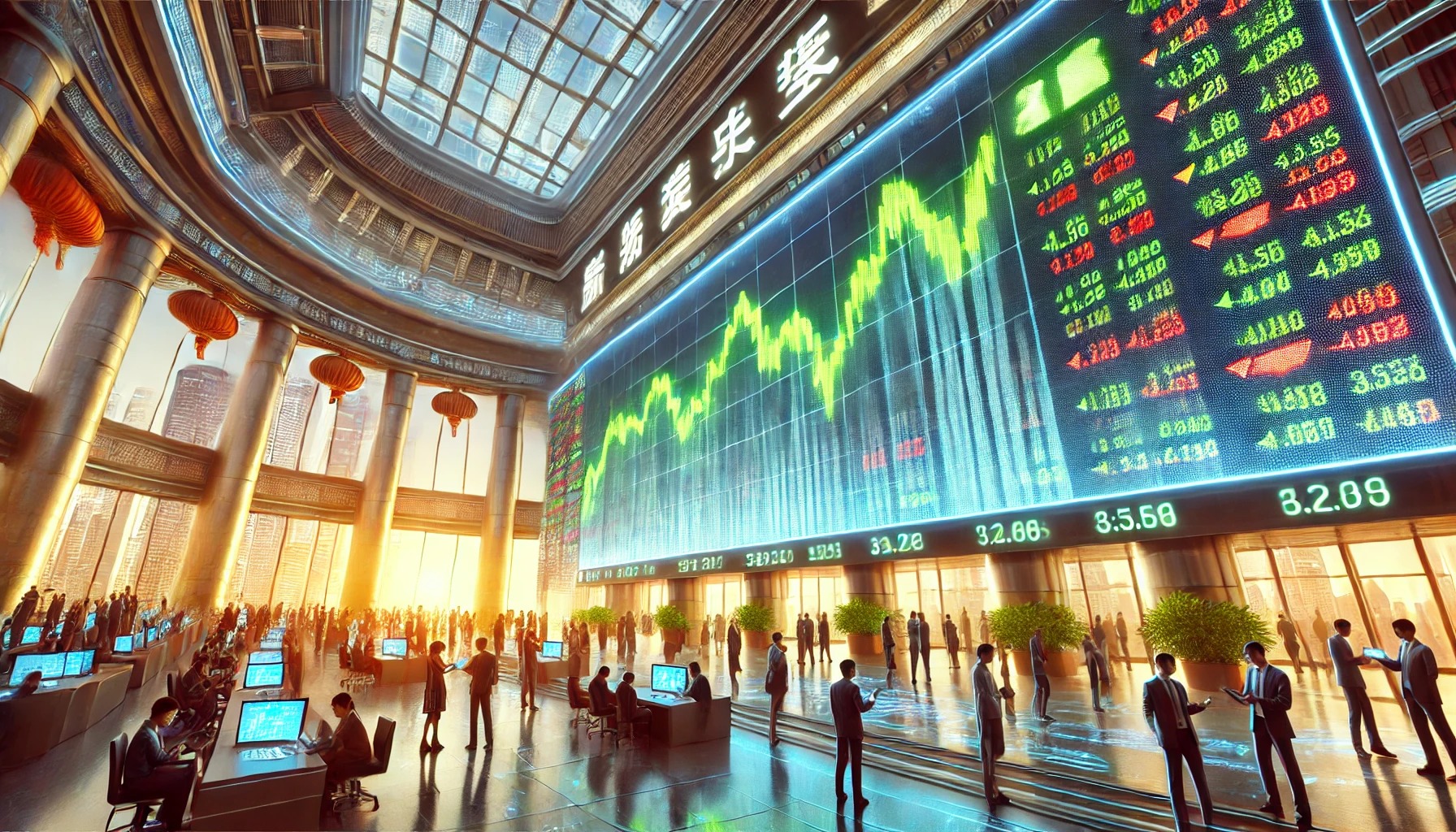
Last week’s surge in Chinese equities marked the strongest weekly performance since 2008 for the Shanghai Shenzhen CSI 300 index, following stimulus measures introduced by the country’s central bank and regulators. The combination of monetary, fiscal, and direct market support has sparked optimism for a continued upward trajectory, though investors are questioning the sustainability of the rally and how best to capitalize on it.
Policy Follow-Through Will Be Key
According to Gavekal Dragonomics, the strength of the rally depends on whether policymakers deliver on their recent promises of fiscal and monetary support. Historically, China's stock markets have oscillated between significant gains and losses. Of the five major rallies in the last 20 years, three were driven by government stimulus, with trough-to-peak gains of 50-100%.
“The stimulus-driven rallies had trough-to-peak gains of 50-100%, so if Chinese equities are now starting another such rally, then there should still be plenty of upside even after the recent jump,” Gavekal said in a note.
Challenges and Modest Stimulus So Far
The bullish scenario hinges on rapid and decisive policy implementation, as China’s economy faces challenges such as weak labor markets, sluggish consumption, and declining export growth. The People’s Bank of China (PBOC) recently cut policy rates by 20 basis points, and expectations are high for a more robust fiscal package, potentially reaching RMB2 trillion in new debt.
New Market Mechanisms Introduced
The PBOC has also introduced a RMB500 billion swap facility for institutional investors and a RMB300 billion refinancing facility to support stock buybacks. These mechanisms aim to create a more aggressive "China put" in the market, offering additional support.
Market Driven by Expectations
Gavekal notes that much of the current rally is driven by shifting expectations rather than concrete stimulus. The central bank’s support for corporate buybacks could significantly increase market liquidity.
Investment Focus: Onshore and Cyclical Stocks
In terms of investment strategy, Gavekal suggests focusing on onshore stocks, which have historically outperformed offshore stocks by 20-40% during stimulus-driven rallies. Among onshore stocks, Shenzhen-listed equities have consistently outperformed Shanghai-listed ones.
Sector-wise, cyclical industries like industrials, materials, and consumer discretionary have seen outperformance by around 10% in previous rallies. Real estate developers are also positioned to benefit if housing policy changes are enacted, as recently hinted by the government.













