


 Trump’s Inflation Claims Clash With Voters’ Cost-of-Living Reality
  Gold and Silver Prices Climb in Asian Trade as Markets Eye Key U.S. Economic Data
  Youth are charting new freshwater futures by learning from the water on the water
  Trump Backs Nexstar–Tegna Merger Amid Shifting U.S. Media Landscape
  China Extends Gold Buying Streak as Reserves Surge Despite Volatile Prices
  India–U.S. Interim Trade Pact Cuts Auto Tariffs but Leaves Tesla Out
  SpaceX Pivots Toward Moon City as Musk Reframes Long-Term Space Vision
  Disaster or digital spectacle? The dangers of using floods to create social media content
  Rio Tinto Shares Hit Record High After Ending Glencore Merger Talks
  What’s the difference between baking powder and baking soda? It’s subtle, but significant
  UK Starting Salaries See Strongest Growth in 18 Months as Hiring Sentiment Improves
  U.S.-India Trade Framework Signals Major Shift in Tariffs, Energy, and Supply Chains
  Japanese Pharmaceutical Stocks Slide as TrumpRx.gov Launch Sparks Market Concerns
  Nvidia, ByteDance, and the U.S.-China AI Chip Standoff Over H200 Exports
  6 simple questions to tell if a ‘finfluencer’ is more flash than cash


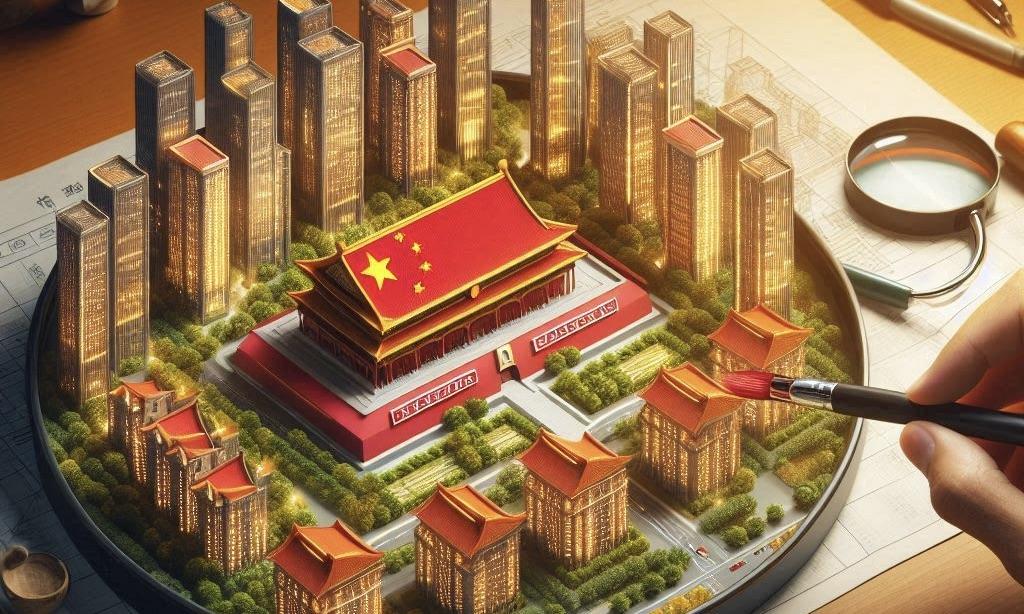
China’s Politburo has vowed to stabilize the real estate market and increase fiscal support to meet economic targets. The latest stimulus measures aim to curb the housing market’s decline and bolster confidence in the struggling economy, with additional fiscal spending details expected in the coming weeks.
China's Politburo to Tighten Regulation on New Home Projects, Boost Fiscal Support to Stabilize Economy
According to the official Xinhua News Agency (via Bloomberg), the 24-member Politburo pledged to achieve the nation's annual economic objectives on September 26. In what appeared to be the most forceful pledge yet to stem the property market's freefall and attempt to stabilize prices, China will also press for the real estate market to "stop declining."
The Politburo stated that the government will rigorously regulate the addition of new home projects and the enhancement of existing ones to alleviate the residential oversupply. The size of fiscal spending needs to be specified, and agencies are anticipated to provide further information in the future days and weeks.
In afternoon trading on September 26, a Bloomberg gauge of developers experienced a surge of up to 9.6%. The CSI 300 experienced a 2.9% increase, effectively eliminating its losses for the year.
“This stimulus package endorsed by today’s Politburo meeting represents a strategic shift in macro policy,” said Bruce Pang, chief economist for Greater China at Jones Lang LaSalle Inc. “If there are more substantial fiscal supports and a pick-up in government spending, it will probably be sufficient to drive a turnaround in business confidence, market sentiment, and economic activities.”
April, July, and December are the only sessions in which the decision-making body typically addresses the current economic situation. According to official readouts, the most recent instance of such a meeting occurring outside of those months was in March 2020, during which time China was still grappling with the aftermath of the COVID-19 pandemic. September sessions have primarily concentrated on internal business or party discipline for the past four years.
“It is necessary to view the current economic situation in a comprehensive, objective, and calm way, face up to difficulties, strengthen confidence, and earnestly enhance the sense of responsibility and urgency of doing economic work well,” the Politburo said, according to Xinhua.
It also advocated for the immediate implementation of reserve requirement ratios and interest rate reductions, which the Chinese central bank recently announced.
China's Politburo Convenes After Major Stimulus Push Amid Lingering Real Estate and Economic Challenges
The conclave is scheduled two days after People's Bank of China Governor Pan Gongsheng implemented the most ambitious policy package in decades to stimulate the economy. The stimulus blitz sent China's beleaguered markets soaring and caused the CSI 300 Index, a benchmark of onshore Chinese equities, to experience its most significant increase since July 2020.
Despite this, threats to the economy persist. The real estate crisis, which has lasted for years and has resulted in the loss of an estimated $18 trillion in household wealth, has stifled the appetite for spending and driven China into its most extended period of deflation since 1999. The factory engine, which continues to be a rare bright point, is being cast a shadow by trade tensions with the US and Europe over claims of Chinese overcapacity.
Politburo meetings under Xi typically occur after each month. The April session usually examines the first-quarter results, the July confab establishes plans for the remainder of the year, and the December session prepares for the Central Economic Work Meeting, which establishes priorities for the upcoming year. In addition to the three-monthly sessions, the October Politburo meetings in 2016 and 2018 also examined the economic situation.













