


 Strategy Buys 1,665 Bitcoin as BTC Holdings Reach 847,666
  Chainlink CCIP 2.0 Launch Sparks LINK Rally Toward $15 Breakout
  Bitwise Launches NEAR ETF as $562 Bull Case Fuels AI Crypto Buzz
  Fed Unveils Stablecoin Rules Under GENIUS Act
  Fed’s Williams Signals One More Rate Hike Before Year-End
  Ethereum Price Eyes $2,800 as Buterin Maps Quantum-Safe Future
  Dollar Hits Three-Month High as US Treasury Yields Surge
  Bitcoin Slides Toward $83K as Treasury Yields Hit 2007 High
  Asian Stocks Fall as Bond Yields and Oil Prices Surge
  Pi Network Price Holds $0.087 as Protocol 28 Mainnet Upgrade Nears
  Japanese Yen Retreats as Dollar Rises Ahead of Fed, BOJ Rate Decisions
  Gold Steady as Softer U.S. Inflation Eases Fed Rate Hike Bets
  Gold Prices Slip as High Treasury Yields Weigh on Bullion
  Bitcoin Holds Above $83,700 as High Treasury Yields Limit Rally


 Add as a preferred source on Google
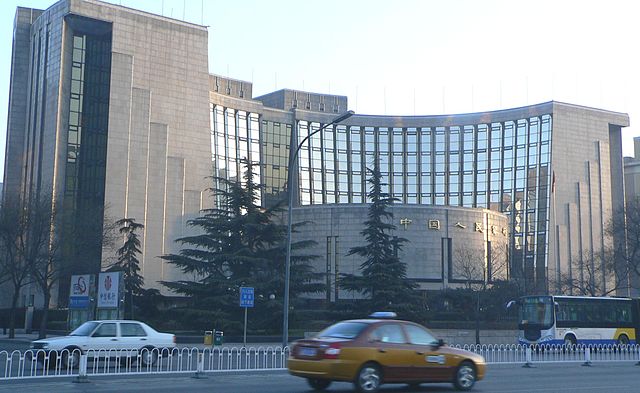
China has unveiled new measures to bolster its weakening yuan, signaling a firm commitment to currency stability. On Monday, the People's Bank of China (PBOC) announced plans to increase its foreign exchange reserves in Hong Kong and ease offshore borrowing limits for companies to enhance capital flows and attract more foreign exchange.
The yuan, trading near a 16-month low at 7.3318 per dollar, has faced mounting pressure since the U.S. election in November. Concerns over trade tariffs and declining Chinese bond yields have exacerbated the currency’s struggles, prompting the PBOC to act.
PBOC Governor Pan Gongsheng emphasized the importance of stability, stating the central bank would significantly boost reserve allocations in Hong Kong. Though details remain unclear, China’s foreign reserves, totaling $3.2 trillion as of December, provide a critical buffer.
Efforts to curb yuan speculation continue, with authorities cautioning against market manipulation. Analysts view these moves, including tighter bond purchase controls and the issuance of bills in Hong Kong, as steps to counter downward pressure while maintaining economic liquidity.
China's actions come amid broader economic uncertainties. Exports surged in December, partly due to preemptive shipments ahead of potential trade risks under the Trump administration. Despite this, fears of slowing growth persist, further straining the yuan.
According to ING economist Lynn Song, "Currency stability remains a priority, ensuring the PBOC can defend the yuan if market conditions demand."
Hong Kong plays a pivotal role in supporting the yuan, with its dynamic market facilitating foreign exchange activities. Natixis economist Gary Ng highlighted Hong Kong’s significance in trading and investments, reinforcing its strategic importance for stabilizing the yuan.
China’s multifaceted approach reflects its delicate balancing act—stimulating growth, managing liquidity, and defending its currency against global headwinds.







