


 New Zealand Labour Backs Social Media Ban for Under-16s
  OpenAI AI Agent Swarm Behind Hugging Face Hack
  Nvidia Eyes Perplexity Investment at $30 Billion Valuation
  BNP Paribas, KB Kookmin Eye $2 Billion Techcombank Stake
  Amazon Secures 200 MW Wind Power Deals in Sweden
  Jefferies Names AMEC Top China Semiconductor Equipment Pick
  Pinterest Stock Falls as CFO Julia Brau Donnelly Resigns
  Nvidia Revenue Soars 106% as AI Demand Hits ‘Inflection Point’
  Meta Agrees to $18 Billion Settlement, Tightens Teen Social Media Rules
  Street Poller Media and The Boom of the Street Interview Ad Industry
  Mercer International Stock Surges 45% on C$20 Million Canada Funding
  SoftBank Eyes $20 Billion Bond Sale to Refinance OpenAI Loan
  Google Changes EU Spam Policy Amid Antitrust Scrutiny
  Yindjibarndi Appeals Fortescue Mining Compensation Ruling
  Toyota Global Sales Fall as China Demand Slumps


 Add as a preferred source on Google
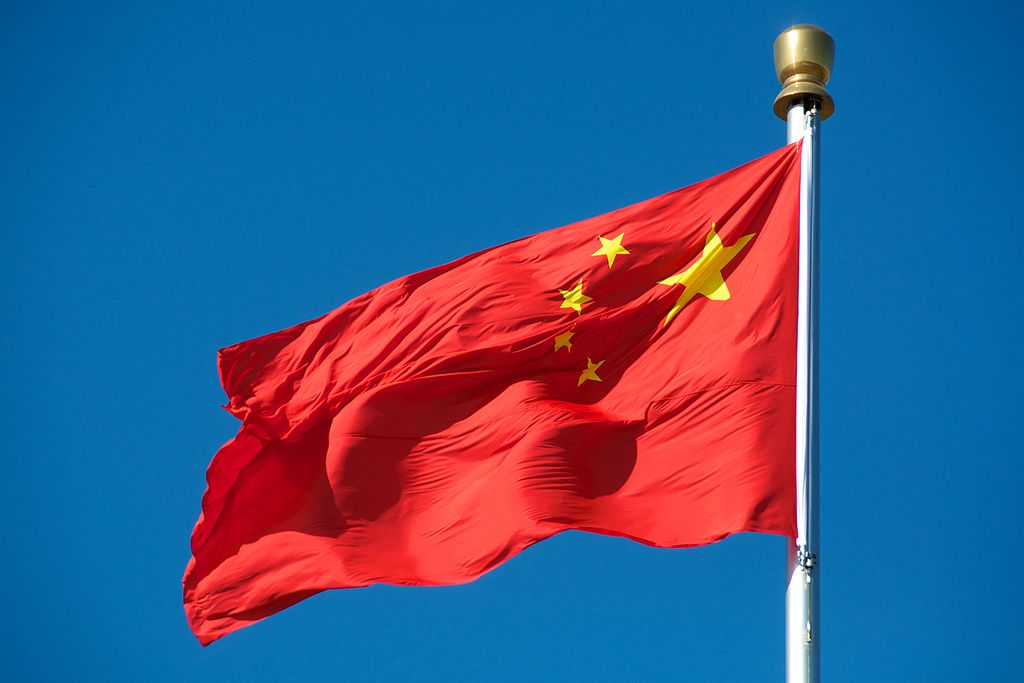
China is accelerating efforts to narrow its technological gap with the United States, driven by increased risk-taking, innovation, and strong policy support for artificial intelligence and semiconductors. Leading Chinese AI researchers say the country has significant potential to rival U.S. dominance in artificial intelligence, although restrictions on advanced chipmaking tools remain a major obstacle.
Confidence in China’s AI sector was highlighted this week by the successful Hong Kong Stock Exchange debuts of so-called “AI tiger” startups MiniMax and Zhipu AI. Their listings reflect growing investor optimism as Beijing fast-tracks AI and chip-related IPOs to strengthen domestic alternatives to advanced U.S. technology. These developments underline China’s ambition to build a self-sufficient AI ecosystem despite ongoing export controls.
Yao Shunyu, a former senior researcher at OpenAI and now chief AI scientist at Tencent, said there is a strong chance a Chinese company could become the world’s leading AI firm within three to five years. He emphasized that China benefits from advantages in electricity supply and large-scale infrastructure, but warned that production capacity remains a bottleneck. According to Yao, limited access to advanced lithography machines and a less mature software ecosystem are the biggest technical hurdles facing China’s AI and semiconductor industries.
China has reportedly developed a working prototype of an extreme-ultraviolet lithography machine that could eventually produce cutting-edge chips comparable to Western technology. However, sources suggest that mass production of viable chips may not occur until around 2030, underscoring the long road ahead.
Industry leaders also acknowledge that the United States still holds a major edge in computing power due to massive investments in data centers and AI infrastructure. Alibaba’s Lin Junyang noted that U.S. computing resources may be one to two orders of magnitude larger than China’s, but said limited resources have pushed Chinese researchers toward efficiency-focused innovation, including algorithm-hardware co-design that allows large AI models to run on smaller, cheaper hardware.
Zhipu AI founder Tang Jie added that a new generation of Chinese entrepreneurs is increasingly willing to embrace high-risk innovation, a cultural shift that could further strengthen China’s AI competitiveness. Together, these trends suggest that while challenges remain, China’s AI sector is rapidly evolving and determined to close the technology gap with the U.S.







