


 RBA Set for September Rate Hike as Inflation Stays High
  BlackRock’s Rick Rieder Favors Bonds Over Stocks as Treasury Yields Surge
  Hong Kong Stocks Slip as Property, Financial Shares Weigh
  Yen Sinks as BOJ Rate Hike Fails to Impress Markets
  World Bank Raises South Asia Growth Forecast to 6.9%
  Middle East Oil Exports Top Pre-War Levels Despite Hormuz Attacks
  RBI Rate Hike Bets Surge as Inflation Rises
  India-US Trade Deal Talks Hit Plateau, Sitharaman Says
  Samsung, SK Hynix Shares Fall Ahead of Q3 Earnings


 Add as a preferred source on Google
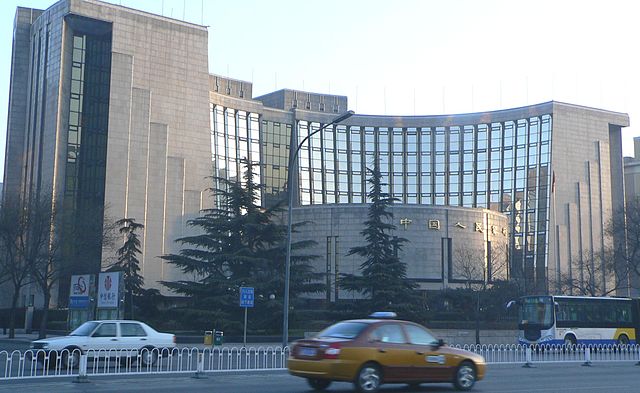
PBoC adviser Huang Yiping said over the weekend that China’s deleveraging has not made any significant progress, which implies that China still relies on credit-fuelled growth model, posing a long-term risk to China’s economy.
He mentioned that the household leverage ratio has picked up sharply on property rally. Clearly, while the surge of property sales helps reduce the unsold inventories, the increase in household debt (due to mortgage financing) could bring about new risks to the economy.
In the meantime, the State-owned Enterprises (SOEs) are still leveraging up, due to implicit guarantee from the governments. China has launched a 350 billion yuan ($52.5 billion) restructuring fund as the government pushes ‘supply-side’ reforms. The Chinese govt has created the fund to support state firms going through hard times. The China State-owned Enterprises Restructuring Fund will be managed by the State-Owned Assets Supervision and Administration Commission (SASAC).
“This fund aims to facilitate the destocking and deleveraging process,” said Zhou Hao, senior emerging markets economist at Commerzbank.
China has made reform of state enterprises, many suffering from surplus production capacity, a nationwide priority as economic growth slows. Reforms include mergers of inefficient state enterprises and laying off workers in struggling sectors such as coal and steel.







