


 Asian Currencies Weaken as Dollar Rebounds Amid Middle East Uncertainty and Japan Inflation Data
  Kristi Noem Ends Western Hemisphere Tour in Diminished Role After DHS Firing
  Asian Markets Rally as Oil Prices Tumble and Middle East Peace Hopes Emerge
  Trump Administration Opens Two New Investigations Into Harvard Over Discrimination and Antisemitism
  WTO Reform Talks Begin in Cameroon Amid Global Trade Tensions
  Bank of Japan Unveils New Inflation Gauge to Support Case for Future Rate Hikes
  Suspicious Oil Market Trades Precede Trump's Iran Peace Post by 15 Minutes
  Asian Currencies Stay Muted as Dollar Holds Firm Amid Iran Uncertainty
  U.S. Oil Prices Slide as Middle East Ceasefire Talks Spark Market Optimism
  UK Consumer Confidence Weakens Amid Middle East Conflict and Rising Living Costs
  Trump Seeks Quick End to U.S.-Iran Conflict Amid Ongoing Middle East Tensions
  Denmark Election 2025: Social Democrats Suffer Historic Losses Amid Migration and Cost-of-Living Tensions
  Russia Strikes Kharkiv and Izmail as Cross-Border Drone War Escalates
  U.S. Stock Futures Steady as Iran Reviews U.S. Ceasefire Proposal
  Trump Votes by Mail Despite Calling It "Cheating" as Democrat Wins Mar-a-Lago District
  Australia's Inflation Eases in February but Core Pressures Persist


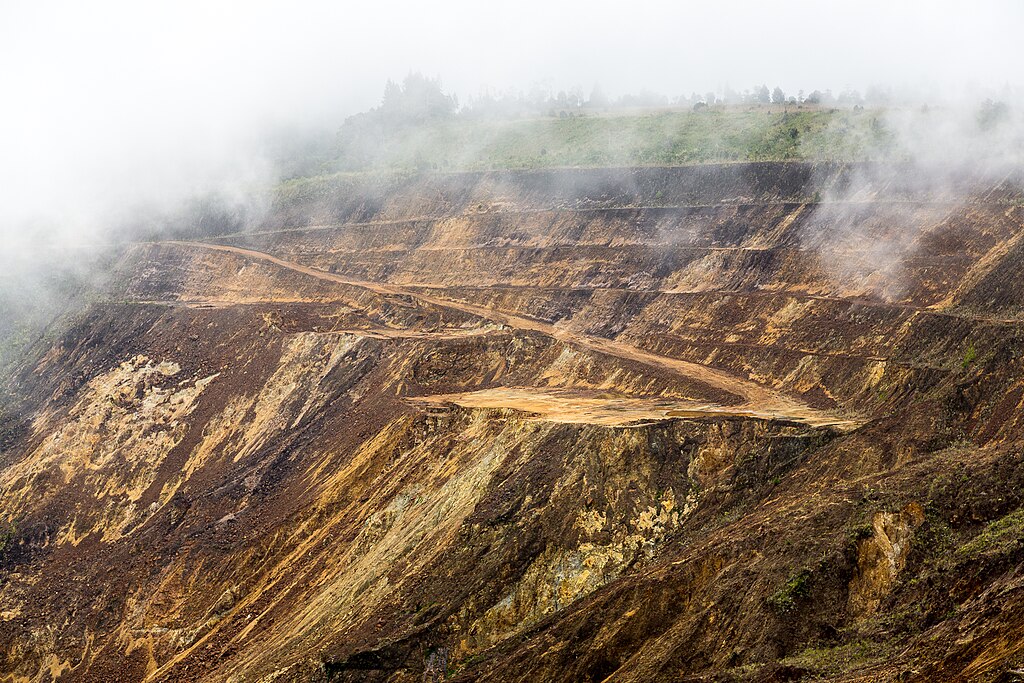
China and Malaysia are in preliminary talks to establish a rare earths processing plant, with Malaysia’s sovereign wealth fund Khazanah Nasional expected to partner with a Chinese state-owned enterprise. If successful, the deal would mark a major policy shift for China, which has long restricted the export of its processing technology to maintain dominance in the rare earths industry.
Beijing is reportedly open to sharing its technology in exchange for access to Malaysia’s estimated 16.1 million metric tons of rare earth reserves. This move is seen as part of China’s strategy to counter competition from Australian producer Lynas Rare Earths, which operates a major facility in Malaysia’s Pahang state.
However, challenges remain. Sources close to the talks said China is concerned about Malaysia’s ability to provide sufficient raw materials to sustain the refinery. Malaysia, on the other hand, is wary of environmental risks and regulatory complexities, as rare earth mining requires approvals from both federal and state governments. The government has also banned mining in environmentally sensitive areas such as forest reserves and water catchments.
Malaysia has prohibited the export of raw rare earths to preserve resources, with one exception in 2022 for a pilot mining project aimed at shaping national guidelines. Despite this, global demand for rare earths continues to surge, especially in sectors such as clean energy, electric vehicles, and defense technologies.
The proposed refinery is expected to process both light and heavy rare earths, essential components in everything from smartphones and EV batteries to wind turbines and military equipment. Heavy rare earths, in particular, are scarce and increasingly in demand for green technologies.
Malaysia’s natural resources minister Johari Abdul Ghani recently confirmed that China expressed willingness to provide technical support but emphasized that any collaboration would involve only state-linked firms to safeguard trade secrets. If the deal advances, Malaysia would become one of the few nations hosting both Chinese and non-Chinese rare earth processing technologies, potentially reshaping its role in the global supply chain.













