


 Japan Election 2026: Sanae Takaichi Poised for Landslide Win Despite Record Snowfall
  Netanyahu to Meet Trump in Washington as Iran Nuclear Talks Intensify
  New York Legalizes Medical Aid in Dying for Terminally Ill Patients
  U.S. Announces Additional $6 Million in Humanitarian Aid to Cuba Amid Oil Sanctions and Fuel Shortages
  Ohio Man Indicted for Alleged Threat Against Vice President JD Vance, Faces Additional Federal Charges
  Nighttime Shelling Causes Serious Damage in Russia’s Belgorod Region Near Ukraine Border
  U.S. Lawmakers to Review Unredacted Jeffrey Epstein DOJ Files Starting Monday
  US Pushes Ukraine-Russia Peace Talks Before Summer Amid Escalating Attacks
  U.S. to Begin Paying UN Dues as Financial Crisis Spurs Push for Reforms
  Jack Lang Resigns as Head of Arab World Institute Amid Epstein Controversy
  Norway Opens Corruption Probe Into Former PM and Nobel Committee Chair Thorbjoern Jagland Over Epstein Links
  Federal Judge Restores Funding for Gateway Rail Tunnel Project
  Trump Backs Nexstar–Tegna Merger Amid Shifting U.S. Media Landscape
  Missouri Judge Dismisses Lawsuit Challenging Starbucks’ Diversity and Inclusion Policies
  South Korea Assures U.S. on Trade Deal Commitments Amid Tariff Concerns
  India–U.S. Interim Trade Pact Cuts Auto Tariffs but Leaves Tesla Out
  Trump’s Inflation Claims Clash With Voters’ Cost-of-Living Reality


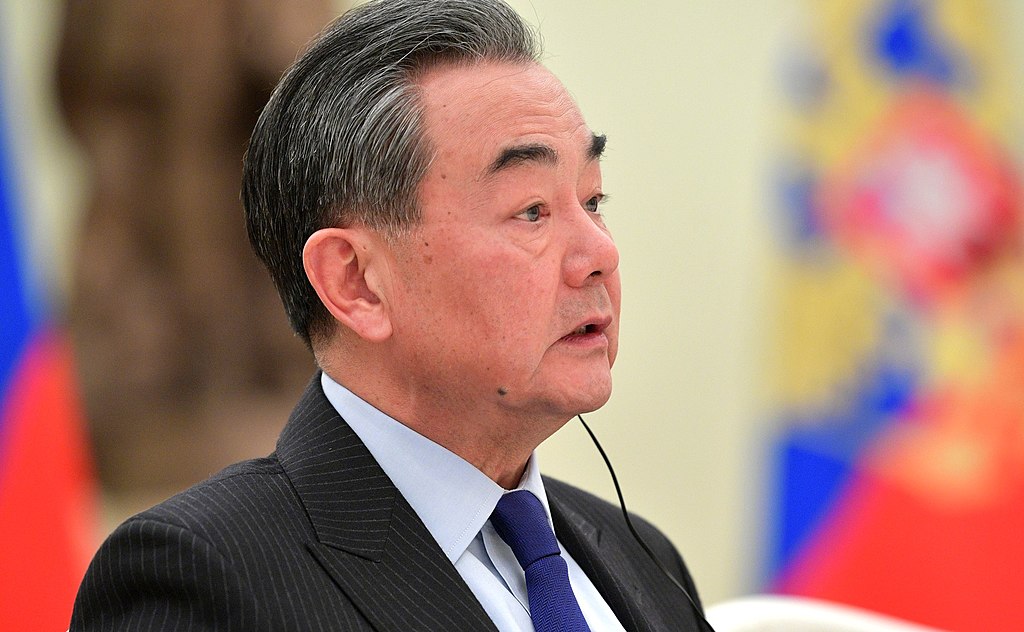
China has sharply criticized Japan after Foreign Minister Wang Yi condemned Prime Minister Sanae Takaichi’s recent remarks on Taiwan, calling them “shocking” and accusing Japan of crossing a “red line.” Wang’s comments, published on the Chinese Ministry of Foreign Affairs website, mark the most senior-level response from Beijing in a diplomatic dispute that has intensified for more than two weeks.
The controversy began on November 7, when Takaichi suggested during a parliamentary session that a potential Chinese attack on Taiwan could lead to a Japanese military response. Beijing quickly denounced the statement, claiming it signaled Japan’s willingness to intervene militarily in what China considers its internal affairs. Taiwan, however, maintains it is a sovereign nation and insists its future can only be determined by its own people.
The disagreement has since evolved into one of the most severe China-Japan confrontations in years, spilling over into trade and cultural exchanges. China even raised the issue with U.N. Secretary-General Antonio Guterres on Friday, vowing to defend its sovereignty. Japan’s foreign ministry responded the next day, dismissing China’s accusations as “entirely unacceptable” and emphasizing that Japan’s commitment to peace has not changed.
Speaking from the G20 summit in South Africa, Takaichi did not address Wang’s remarks directly but stressed that Japan remains open to dialogue with China. She noted she had not spoken with Chinese Premier Li Qiang, who was also in Johannesburg.
Taiwan’s Foreign Ministry strongly criticized China’s letter to the U.N., calling it “rude,” “unreasonable,” and a distortion of historical facts. The ministry added that China’s threats violate Article 2(4) of the U.N. Charter, which prohibits the use of force in international relations.
Wang warned that if Japan continues on its current path, other countries may “re-examine Japan’s historical crimes” and work to prevent a resurgence of militarism. China remains one of Japan’s most important trade partners, purchasing an estimated $125 billion in Japanese goods in 2024, including semiconductors, industrial equipment, and automobiles.













