


 Wall Street Slides as Iran War Uncertainty, Oil Surge, and AI Fears Rattle Markets
  Asian Currencies Stay Muted as Dollar Holds Firm Amid Iran Uncertainty
  Oil Prices Rebound as Iran Denies U.S. Talks Amid Gulf War Supply Fears
  Japan's Private Sector Growth Slows in March Amid Rising Costs and Middle East Uncertainty
  U.S. Futures Slide as Iran Denies Nuclear Talks with Washington
  Iran-Israel Missile Strikes Continue Amid Mixed Signals on U.S.-Iran Diplomacy
  Oil Prices Rebound as Iran Denies U.S. Talks, Middle East Tensions Persist
  Gold Prices Surge on U.S.-Iran Ceasefire Reports
  Asian Stocks Gain Amid Iran Conflict Uncertainty
  Oil Prices Climb as Iran Reviews U.S. Peace Proposal Amid Middle East Tensions
  UK Consumer Confidence Weakens Amid Middle East Conflict and Rising Living Costs
  Australia-EU Free Trade Deal Signed After Years of Negotiations
  Gold Prices Climb as Middle East Ceasefire Talks Stir Market Optimism
  Bank of Japan Eyes April Rate Hike Despite Inflation Dip, ING Says
  U.S. Dollar Weakens as Trump Signals Iran Deal Possibility
  Japan Eyes Oil Futures Intervention to Stabilize Yen Amid Middle East Crisis


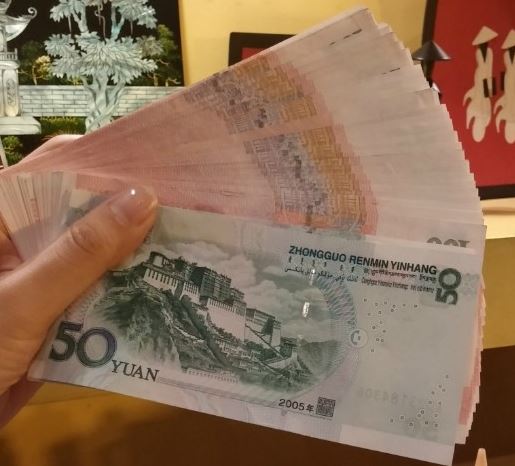
China is ramping up efforts to curb capital outflows as the yuan weakens under economic pressures and U.S. interest rate disparities. Authorities have heightened scrutiny on overseas investments by domestic firms and the use of proceeds from Hong Kong share sales, Bloomberg reports.
The yuan has lost 2.2% against the U.S. dollar since Donald Trump’s election win, exacerbating Sino-U.S. tensions and dampening foreign investment. The widening gap between U.S. and Chinese interest rates has made the yuan less attractive to investors, with January marking its largest-ever yield spread.
Official data shows China’s commercial banks sold the most foreign exchange since July, while the conversion ratio—indicating the willingness to sell dollars for yuan—hit a seven-month low. Foreign exchange loans have dropped to their lowest in over 13 years, while FX deposits surged to their highest since April 2023.
Economists highlight persistent capital outflows, with Goldman Sachs’ Xinquan Chen noting significant currency withdrawals in January. ING’s Lynn Song attributes the rise in FX deposits to seasonal factors but warns that weak investor confidence could sustain the trend.
To stabilize the yuan, the People's Bank of China (PBOC) has been setting a stronger-than-expected daily midpoint guidance since November. State-owned banks have also been actively selling dollars to support the currency. This intervention has helped anchor yuan values in the forwards market, at least temporarily.
China’s economic outlook remains uncertain as authorities balance capital control measures with market stability. Without a strong rebound in investor confidence, the yuan may continue facing depreciation risks.













