


 Pinterest Stock Falls as CFO Julia Brau Donnelly Resigns
  Google Expands Gemini Enterprise With AI Tools for Legal Sector
  PayPal Shares Sink as $50 Billion Takeover Bid Collapses
  SK Biopharmaceuticals Secures Global Rights to Biohaven Epilepsy Drug Opakalim
  Nvidia Revenue Soars 106% as AI Demand Hits ‘Inflection Point’
  SoftBank Plans Record $6.3 Billion Bond Sale to Fund OpenAI Investments
  Unitree Shares Plunge 45% After Blockbuster IPO, Raising China Tech Bubble Fears
  Itochu Offers $1.56 Billion to Privatize Dentsu Soken
  U.S. Disrupts China-Linked Hacking Campaign Targeting Government Agencies
  Countries Tighten Social Media Bans for Children
  Trian Drops Wendy’s Take-Private Bid Plans, Shares Plunge 14%
  BofA Names ASML Top Semiconductor Equipment Pick on Growth, Valuation
  Trump Administration Plans New Drug Pricing Deals With Biotech Firms
  Nvidia Reportedly Eyes $13 Billion Hugging Face Acquisition
  OpenAI AI Agent Swarm Behind Hugging Face Hack
  Xiaomi Unveils Xring O3 Chip for Flagship Foldable Phone


 Add as a preferred source on Google
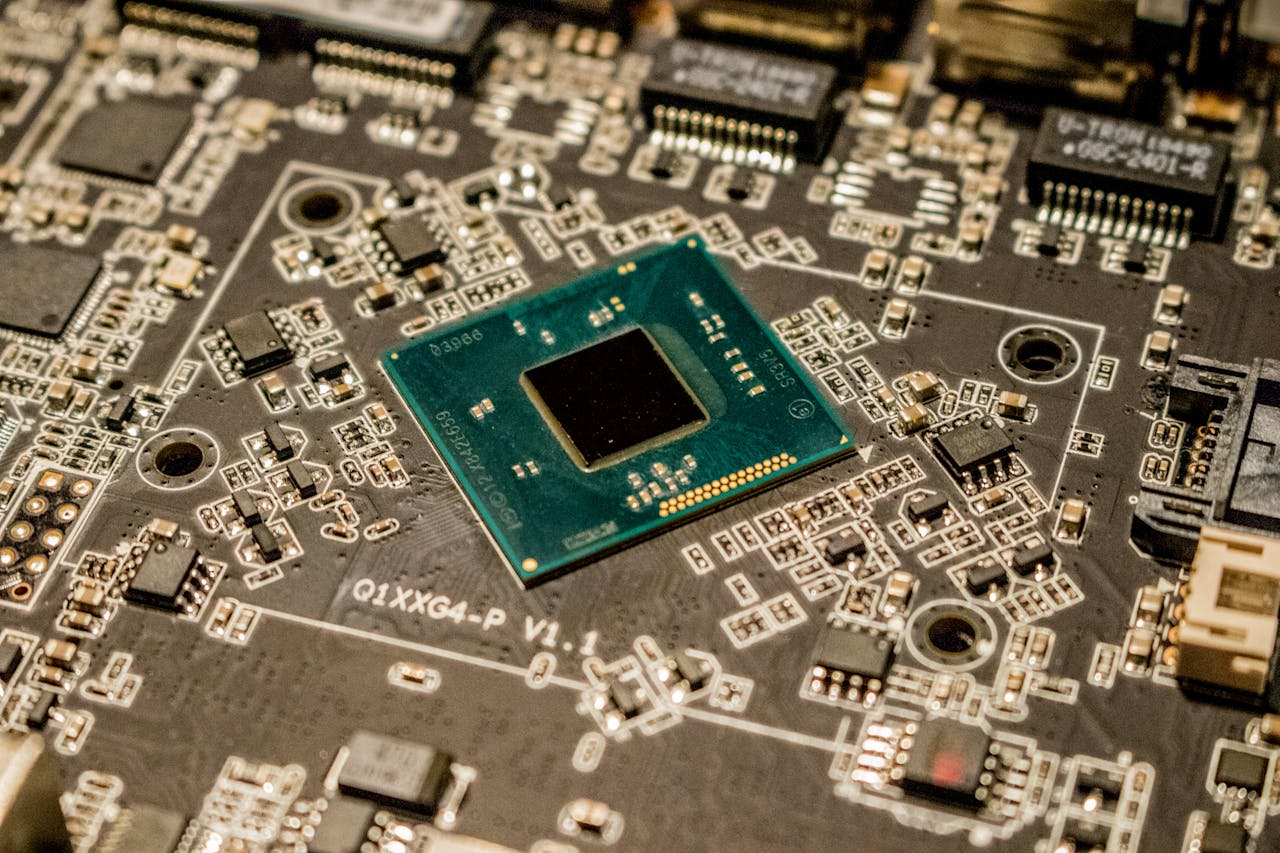
China is set to introduce new guidelines promoting open-source RISC-V chip adoption, aiming to lessen reliance on Western semiconductor technology, according to Reuters. The policy, expected as early as this month, is being developed by eight government agencies, including the Cyberspace Administration of China and the Ministry of Industry and Information Technology. However, the timeline remains flexible.
RISC-V chips provide a cost-effective, customizable alternative to proprietary processors like Intel’s x86 and Arm Holdings' architectures. As an open-source technology, RISC-V enables companies to design specialized chips for applications ranging from smartphones to artificial intelligence and supercomputers.
Chinese firms are increasingly embracing RISC-V for its affordability and geopolitical neutrality. State-backed research institutions have been exploring the technology, though Beijing has yet to officially prioritize it. The push comes amid rising U.S.-China tensions over semiconductors, with Washington imposing restrictions on China’s access to advanced chips. Some U.S. lawmakers have even suggested limiting American firms’ collaboration on RISC-V due to national security concerns.
China’s major RISC-V players include Alibaba and Nuclei System Technology. If the upcoming policy accelerates adoption, it could bolster China’s domestic semiconductor ecosystem, reducing reliance on U.S. chip giants like Intel (NASDAQ:INTC) and AMD (NASDAQ:AMD).
With geopolitical risks and trade restrictions shaping the global chip landscape, China’s move toward RISC-V signals a strategic effort to foster homegrown innovation and ensure technological self-sufficiency.







