


 Asian Stocks Gain Amid Iran Conflict Uncertainty
  U.S. Oil Prices Slide as Middle East Ceasefire Talks Spark Market Optimism
  U.S. Futures Slide as Iran Denies Nuclear Talks with Washington
  Gold Prices Fall for Tenth Straight Session Amid Iran Uncertainty and Rate Concerns
  Gold Prices Drop Amid Inflation Fears and U.S.-Iran Escalation
  U.S. Dollar Weakens as Trump Signals Iran Deal Possibility
  Australia's Inflation Eases in February but Core Pressures Persist
  South Korean Stocks Tumble as Hawkish BOK Governor Appointment Rattles Markets
  Gold Prices Surge on U.S.-Iran Ceasefire Reports
  Oil Prices Rebound as Iran Denies U.S. Talks Amid Gulf War Supply Fears
  Australia-EU Free Trade Deal Signed After Years of Negotiations
  Currency Markets Show Caution Amid U.S.-Iran Negotiations
  Oil Prices Plunge Over 6% as Middle East Ceasefire Hopes Ease Supply Fears
  Wall Street Slides as Iran War Uncertainty, Oil Surge, and AI Fears Rattle Markets
  Goldman Sachs Raises ECB Rate Hike Forecast Amid Persistent Energy-Driven Inflation
  Bank of Japan Eyes April Rate Hike Despite Inflation Dip, ING Says


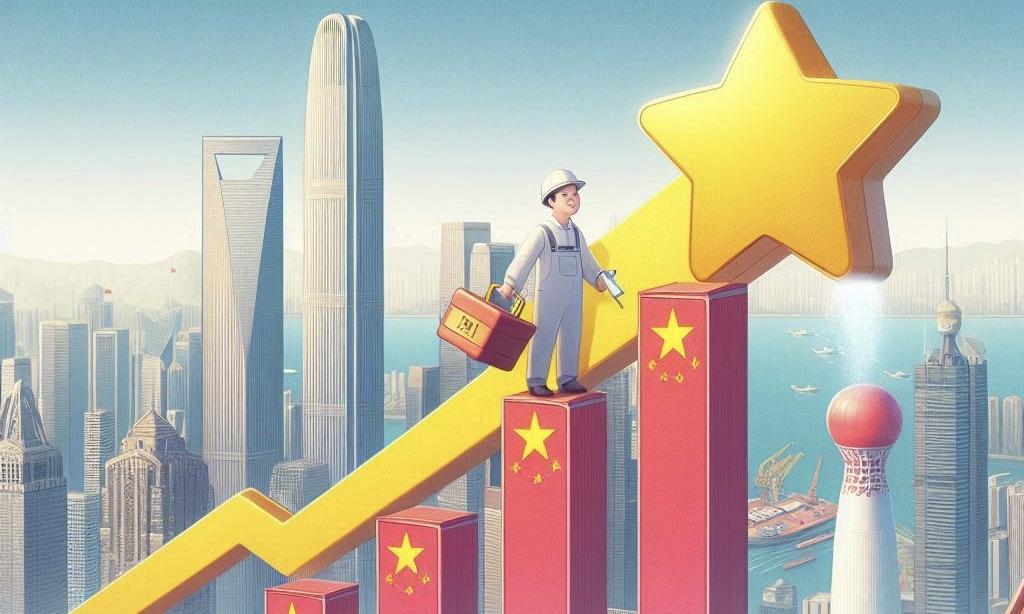
China focuses on empowering low- and middle-income earners to boost economic growth, as the Politburo prioritizes wage increases and consumer spending. These measures are part of efforts to achieve a 5% GDP growth target for 2024.
China Focuses on Grassroots Spending to Boost Economic Growth Amidst Slower-Than-Expected Performance
As Mao Zedong said, the Chinese Communist Party's genuine strength is derived from the populace. The People's Republic is currently utilizing its modest grassroots to increase consumption. However, it is improbable that these policies will generate the immediate development that policymakers and investors seek.
On July 30, Beijing once more conveyed a sense of urgency to revitalize the $17 trillion economy by convening the Politburo, a top decision-making body, to establish priorities for the year's second half to achieve its approximate 5% GDP growth target for 2024. It was particularly noteworthy that the meeting summary advocated for policies that would increase wages and improve the "capacity and willingness" of low- and middle-income groups to spend, as the official news agency Xinhua reported. A distinct state-owned newspaper has estimated that the Chinese middle class has surpassed 500 million individuals this year.
The overall message is logical despite the absence of specifics. The minimum wage, which varies from 1,650 yuan ($228) in Lhasa to 2,690 yuan in Shanghai, could be increased to encourage savers to spend more. Simultaneously, officials at the most recent Third Plenum meeting have suggested that the affluent may be subject to increased taxes, including a wider variety of luxury items. By combining these policies, it is possible to foster domestic expenditure and provide cash-strapped local governments with more consistent revenue sources.
China Shifts Focus to Household Support Amid Economic Transformation and Slower Growth Rates
These reforms will require time. Beijing is currently engaged in a significant economic transformation that involves a shift from its investment-driven development model. According to Reuters, this would necessitate the government allocating additional resources to households. For instance, the government may allocate extra funds to pensions, affordable housing, and elderly and infant care rather than investing in large infrastructure projects.
Nevertheless, the present recession remains the most pressing issue in the world's second-largest economy. Retail sales and imports underperformed industrial output and exports, resulting in a slower-than-anticipated 4.7% growth rate in the second quarter. The central government must continue performing the fiscal heavy lifting to achieve this. To begin with, it will likely need to provide additional financial assistance to local governments to finance affordable housing initiatives. Beijing must disclose its finances until the general populace does so.













