


 U.S. Banks Report Strong Q4 Profits Amid Investment Banking Surge
  Why the Middle East is being left behind by global climate finance plans
  U.S. Condemns China's Dominance in Global Shipbuilding and Maritime Sectors
  Mexico's Undervalued Equity Market Offers Long-Term Investment Potential
  Trump Forced Labour Tariff Plan Faces Criticism as Experts Question Effectiveness
  RBI Holds Interest Rates at 5.25%, Cuts India Growth Forecast Amid Rising Global Risks
  European Stocks Rally on Chinese Growth and Mining Merger Speculation
  US Employment Growth Likely Slowed in May as Labor Market Remains Stable Amid Oil Price Pressures
  US Stock Market Tumbles as Tech and Semiconductor Stocks Lead Massive Selloff
  Indonesia Passes New Central Bank Law, Raising Investor Concerns Over Policy Independence
  Australia Trade Surplus Jumps in April as Iron Ore and Coal Exports Surge
  Asian Currencies Stabilize as U.S. Dollar Remains Strong Ahead of Key Jobs Data
  Gold Prices Slide as Strong Dollar and Rate Concerns Pressure Bullion
  UK Markets Face Rising Volatility as Hedge Funds Target Pound and Gilts
  Elliott Investment Management Takes Significant Stake in BP to Push for Value Growth
  US Dollar Poised for Weekly Gain as Middle East Tensions and Payroll Data Boost Market Focus


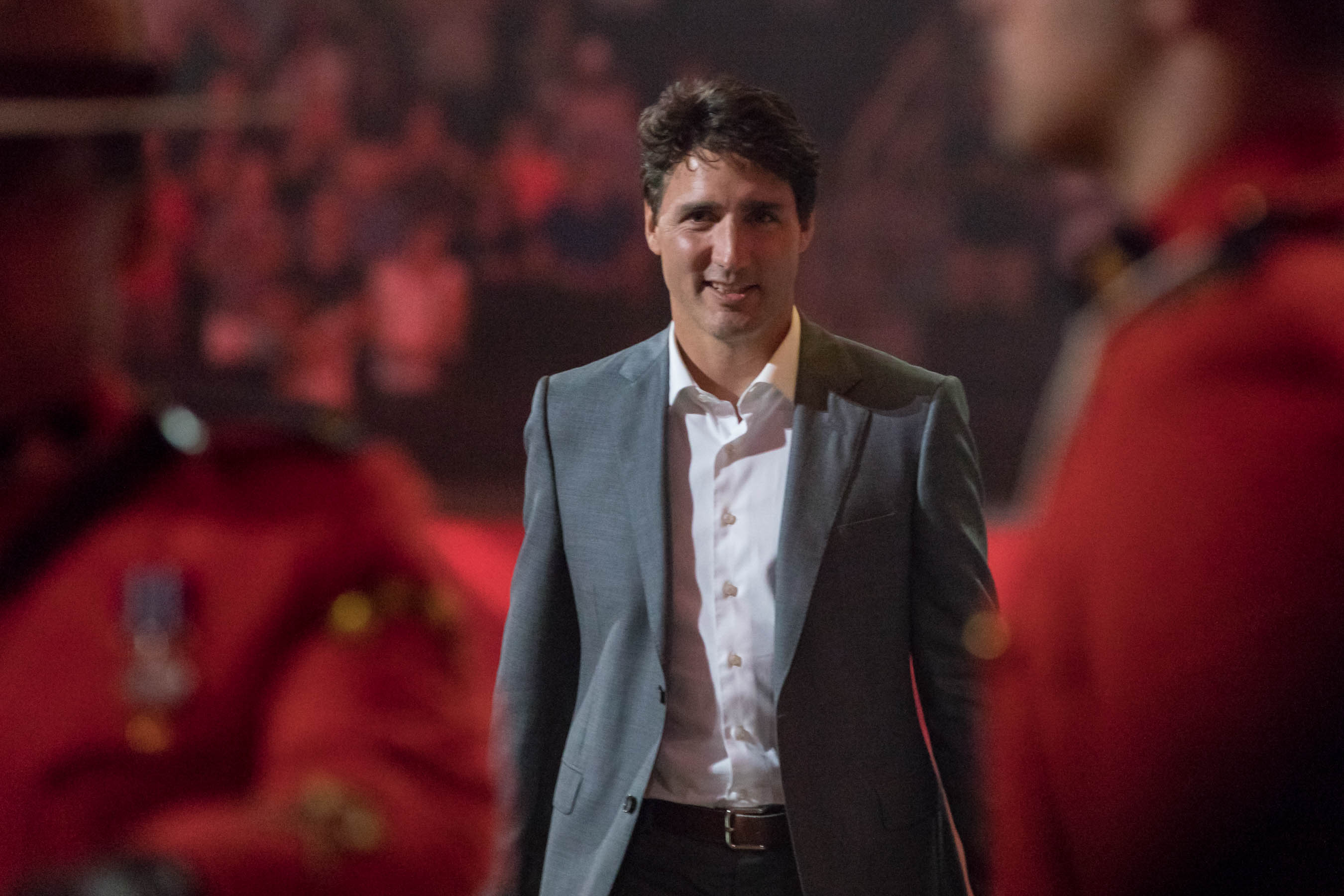
Canada will scrutinize health-related foreign investments to make sure that other countries aren't taking advantage of the pandemic to pursue takeovers.
The companies to be examined "with particular attention" are those investments related to public health or those that supply critical goods with close ties to other governments.
According to a policy statement released by Canada on Saturday, some investments "by state-owned enterprises may be motivated by non-commercial imperatives that could harm Canada's economic or national security interests."
"There are vulnerable businesses that are going to be important to our recovery who are perhaps exposed to foreign purchases," said Prime Minister Justin Trudeau on Sunday.
Other countries have also tightened investment rules during the pandemic, including Australia, which announced last month that their government would need to approve all foreign takeovers, no matter how small.
COVID-19 has spread rapidly across Canada and, as of April 16, has registered almost 30,000 cases and over 1000 deaths. The country has also been hit hard by the sharp global decline in oil prices.
Canada's economy is in a near halt due to measures to curb the spread of the virus, including the shutdown of non-essential businesses.
Federal and provincial governments are imposing a range of measures to control the spread of the coronavirus, which includes travel restrictions, social distancing, and closures of many non-essential businesses.
The country's S&P/TSX Composite Index has plummeted by almost 16 percent since the start of 2020.
According to the policy statement, the country will leave the measures in place until its economy recovers from the crisis.
Canada is working with international groups, fast-tracking clinical trials, and applications for treatments, vaccines, and diagnostic tests. The country is also working closely with the United States Food and Drug Administration, the European Medicines Agency, and the Therapeutic Goods Administration to share information on global supply disruptions.







