


 Asian Stocks Rally as Japan’s Nikkei Hits Record High on U.S.-Iran Peace Optimism
  Trump-Xi Meeting 2026: U.S.-China Trade Tensions Escalate Ahead of Beijing Summit
  Colorado takes a new – and likely more effective – approach to the housing crisis
  Use of AI in property valuation is on the rise – but we need greater transparency and trust
  Choices made nearly a century ago explain today’s housing crisis
  Wall Street Hits Record High as AI Chip Stocks and Strong U.S. Jobs Data Boost Markets
  Australia to Ban Foreign Investors from Buying Existing Homes to Boost Housing Supply
  European Stocks Fall as US-Iran Conflict Rekindles Energy Supply Fears
  Asian Stocks Slide as Iran Tensions Escalate Despite Strong Weekly Gains
  Gold Prices Rise as Weaker Dollar and Iran Ceasefire Hopes Boost Safe-Haven Demand
  UBS "이 미국 도시, 부동산 거품 위험 가장 높아"
  Why you may not be able to get on the housing ladder or buy a bigger home in 2024


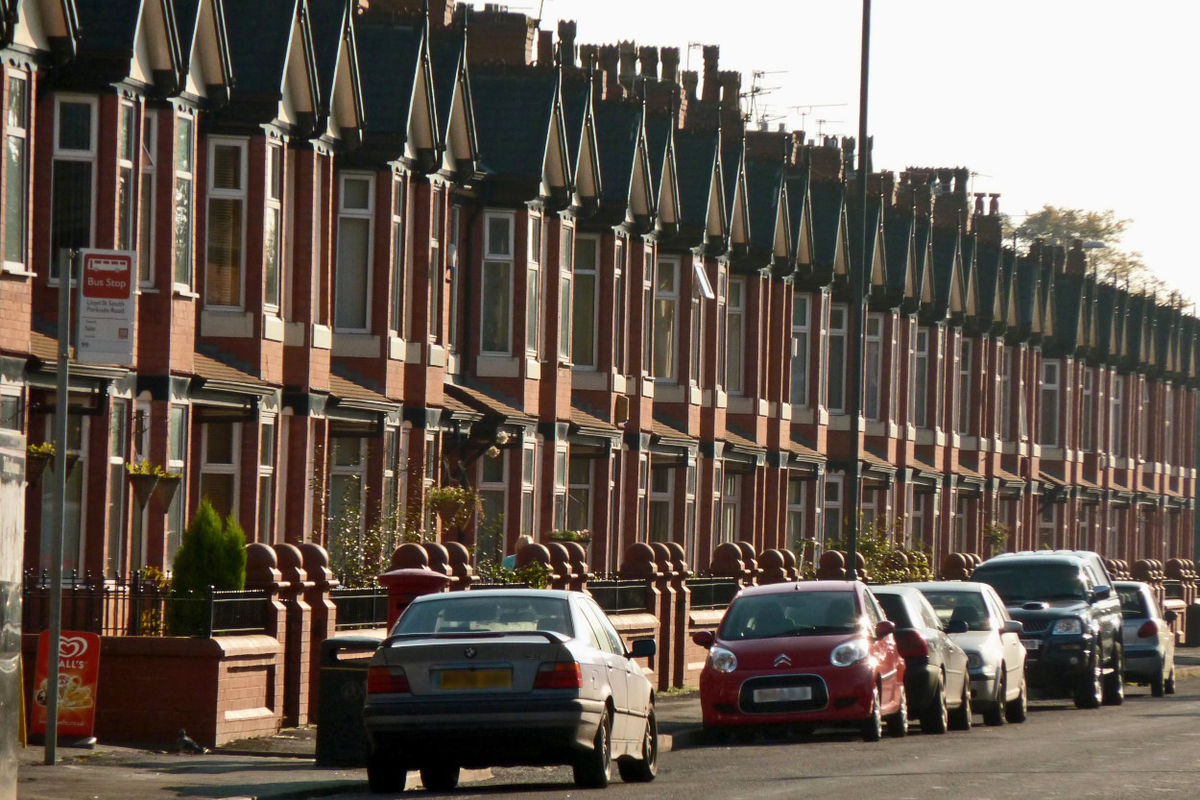
According to the Office for National Statistics (ONS), average UK house price rose by 8.7 percent over the year to June 2016, up from a revised 8.5 percent growth in May. Data showed that price growth in the UK housing market picked up speed in the month leading up to, and including, the EU membership referendum.
The average UK house price was £214,000 in June, £17,000 higher than in the same month of 2015. Buy-to-let investors and second home buyers rushing to beat changes in stamp duty, which were introduced at the start of April is seen as the main reason behind the rise.
Recent surveys for the housing market have varied in sentiment. ‘Rightmove’ said earlier this week that UK house prices fell in July. A survey by the Royal Institution of Chartered Surveyors in June indicated a fall in house prices this year. But a more recent version of the same poll was more optimistic.
Fitch ratings agency earlier today warned that the UK vote to leave the EU could translate into longer-term negative sentiment for the UK property sector, but added that it is unlikely to directly lead to near-term rating downgrades, Fitch Ratings says.
"Uncertainty over the form and timing of Brexit will weigh on confidence for property purchasing and leasing," said Fitch in a report.







