


 Same sparkle, different story: how lab-grown diamonds are transforming the market
  Sony Eyes $1.3 Billion Tamron Acquisition as Lens Maker Reviews Offer
  Toyota First-Half Global Sales and Production Decline on Weak China Demand, RAV4 Transition
  BHP, Port Hedland Unions Fail to Reach Wage Deal as Negotiations Continue
  Meta CEO Zuckerberg Opposes U.S. Ban on Chinese AI Models, Warns Against Overregulation
  Sika Raises 2026 Sales Outlook After Strong First-Half Results Beat Expectations
  Standard Chartered Beats Profit Forecasts as First-Half Earnings Rise 9%
  Meta-backed research finds exposure to ‘untrustworthy’ social media is rare. The fine print is less reassuring
  Seagate Stock Jumps as AI-Fueled Earnings Beat and Strong FY2027 Outlook Impress Investors
  X Challenges Australia’s Expanded Social Media Ban Enforcement Powers
  Robinhood Q2 Earnings Beat Estimates, But HOOD Stock Falls as Investors Question Profit Quality
  Chipotle Q2 Earnings Beat Expectations as Sales Growth Drives Higher 2026 Outlook
  World game at war: why some European nations have threatened a World Cup boycott
  SpaceX Wins $1.6 Billion U.S. Space Force Launch Contracts for Falcon 9 Missions Through 2027
  Arm Holdings Q1 Earnings Beat Estimates, Strong Q2 Outlook Fails to Lift ARM Stock
  Microsoft Stock Jumps as Azure Growth, AI Revenue Beat Expectations
  Unilever Raises 2026 Sales Outlook After Strong Q2 Volume Growth


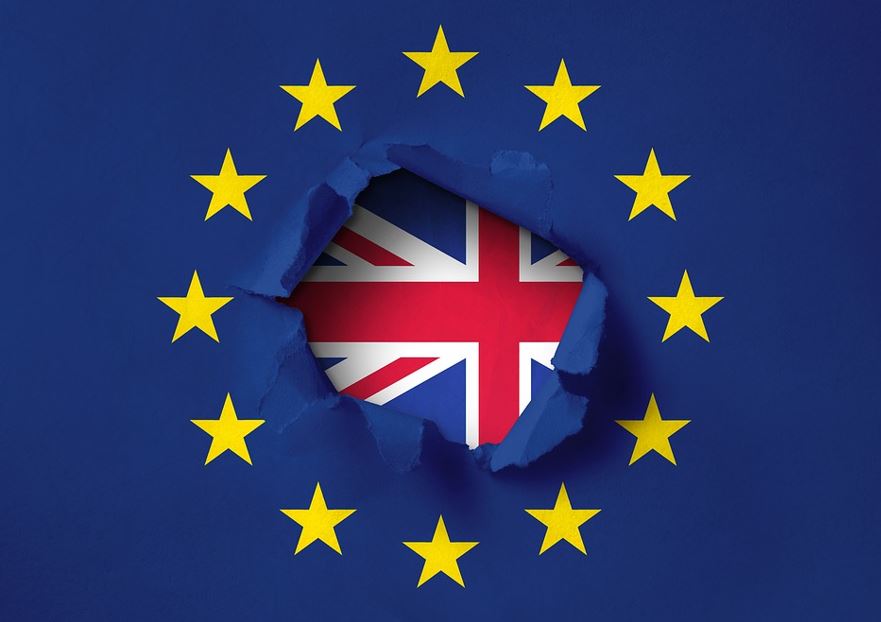
The Brexit saga is not poised to be done yet since both sides are finding it hard to reach an agreement that can satisfy all the needs. As Simon Coveney, the Irish Foreign Minister, said recently, the negotiation process will need to run until November in order to finalize a withdrawal treaty.
Euro and Sterling under pressure since Q2
Following a better-than-expected 2017, the currency market, in particular, the euro and sterling, had been under pressure since April this year, dragged lower by escalating tensions between the UK and the European Union. Key subjects like the free trade area and the free movement of labor force still can’t be settled.
As a result, investors had taken a cautious stance in terms of currency trading. Both the euro and sterling had weakened against the US dollar. While we see these growing tensions in the Old Continent, the situation in the US seems to be from another world.
Economic activity expands at a fast pace (with the GDP estimate now above 4%), the stock market is very close to record levels, and the Federal Reserve had already raised its benchmark rate three times this year. Another increase is expected in December and additional three during 2019.
Despite a growing trade dispute between the US and China, the “big players” from the financial industry had found it safer to move their money into the US economy and buy the US dollar, which is obvious if we analyze how the currency had performed over the last few months.
Big changes if negotiations succeed
If we briefly summarize the big picture, we can say that we currently have an overbought US economy and an oversold Europe. A successful negotiation ending will smoothen the path for an organized exit of the United Kingdom from the EU, thus improving the market sentiment and the appetite for risk.
Since the US economic cycle is in its late phases, interest rates rising and risk premium shrinking, money could begin to shift again into the European markets and favor a stronger correction from the lows.
However, uncertainty is still expected to weight strongly on the market sentiment and we could see some choppy activity in the currency market until Negotiations end and until we will be passed through the mid-term elections in the United States. Volatility had been weak in the currency market for the past year and a half, but this should be regarded as another signal that things are going to be more active in the following months.
This article does not necessarily reflect the opinions of the editors or management of EconoTimes







