


 Philips Shares Slide 10% Despite Earnings Beat as Weak Orders Raise Growth Concerns
  Seagate Stock Jumps as AI-Fueled Earnings Beat and Strong FY2027 Outlook Impress Investors
  Exosens H1 Profit Beats Forecasts as Defense Demand Drives Growth
  Barclays Q2 Profit Beats Forecasts as Investment Banking Strength Offsets Higher Costs
  Meta CEO Zuckerberg Opposes U.S. Ban on Chinese AI Models, Warns Against Overregulation
  Rio Tinto Stock Jumps as Strong Earnings, Higher Dividend and AI Metal Demand Boost Outlook
  TSMC Gradually Restarts Japan Chip Plant After Kumamoto Earthquake
  Air Liquide Q2 Sales Growth Tops Forecast as Electronics Business Drives Strong Performance
  SK Hynix Q2 Profit Hits Record as AI Memory Chip Demand Fuels Growth
  Zhongji Innolight Raises $6.8 Billion in Hong Kong IPO as AI Demand Fuels Growth
  Tech Stock Positioning Nears Neutral as Investor Rotation Enters Final Phase, Deutsche Bank Says
  AstraZeneca Q2 Earnings Beat Forecasts as Oncology Growth Supports 2026 Outlook
  Nvidia Invests $1 Billion in Naver as South Korea AI Data Center Expansion Gains Momentum
  Sika Raises 2026 Sales Outlook After Strong First-Half Results Beat Expectations
  Galp Shares Fall After Q2 EBITDA Miss Despite Profit Beat and Higher Dividend
  GSK Unveils $2.52 Billion Cost-Cutting Plan to Accelerate Drug Pipeline
  Zabka Shares Drop 10% as Seven & i Abandons Investment Plans


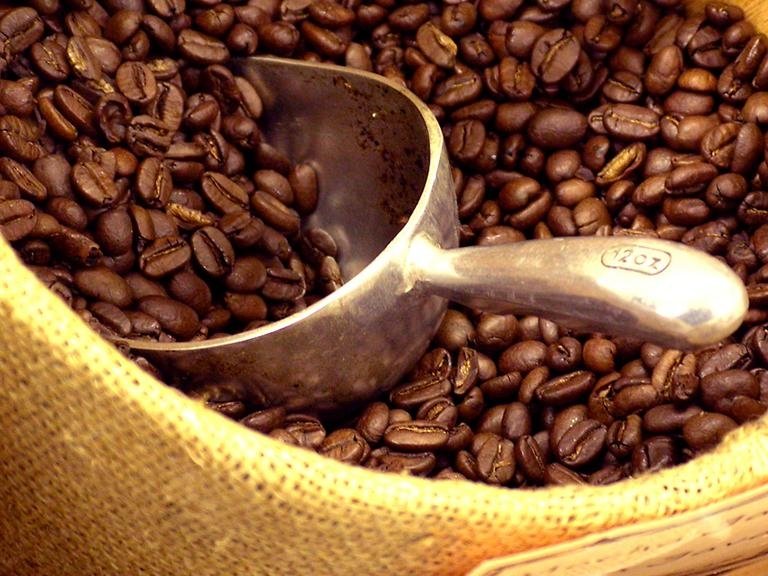
Brazil's trade surplus of $6.16 billion in September, 38 percent more than last year, due to its weak currency has led to fewer containers and vessel space that could ship coffee cargoes out of its ports.
The pandemic has caused a 40 percent drop in the country's currency, the real, leading to a deluge of exports of much cheaper Brazilian goods and a sharp decrease in imports.
The weak currency allows Brazilian farmers to receive more reals in dollar-denominated trade, prompting them to rush in selling their crops, boosting exports.
The result was an imbalance of nearly 80,000 boxes in Brazil in August, with around 251,000 containers leaving the country and only 172,000 arriving.
By contrast, in January, 216,000 boxes arrived and 201,000 left.
Consequently, it is not currently feasible to export Brazilian coffee promptly, which can only be done at a higher cost.
Shipping companies such as Maersk and MSC are fully-booked in Brazil, with no more room for shipments in October.
Maersk said it was working to improve container availability.
Julian Thomas, general manager for Maersk East Coast South America, said that with the coffee sector is entering into the peak season, it is highly-important for producers to have the vision when to move stocks in advance.
With cargoes from Brazil taking longer to arrive, global coffee merchants may need to source supplies from other countries.







