


 WTO Reform Talks Begin in Cameroon Amid Global Trade Tensions
  Taiwan Arms Deal on Track Despite U.S.-China Summit Uncertainty
  Trump Backs Down on Iran Strikes After Gulf Allies Sound the Alarm
  Jay Bhattacharya to Continue Leading CDC as White House Searches for Permanent Director
  US-Iran Ceasefire Talks Underway: What You Need to Know
  Israel Eyes Litani River as New Border Amid Escalating Lebanon Offensive
  Russia-Iran Military Alliance Deepens With Drone Shipments Amid Middle East Tensions
  Russia Strikes Kharkiv and Izmail as Cross-Border Drone War Escalates
  Iran-Israel Missile Strikes Continue Amid Mixed Signals on U.S.-Iran Diplomacy
  U.S. Deploys Elite 82nd Airborne Troops to Middle East Amid Iran Tensions
  Kristi Noem Ends Western Hemisphere Tour in Diminished Role After DHS Firing
  Denmark Election 2025: Social Democrats Suffer Historic Losses Amid Migration and Cost-of-Living Tensions
  Trump Seeks Quick End to U.S.-Iran Conflict Amid Ongoing Middle East Tensions
  Trump Says Iran Offered Major Energy Concession Amid Ongoing Negotiations
  Denmark Election 2026: Frederiksen Eyes Third Term Amid Trump-Greenland Tensions
  Cuba Receives Humanitarian Aid Convoy Amid U.S. Sanctions
  Iran Demands Lebanon Be Part of Any Ceasefire Deal With Israel and the U.S.


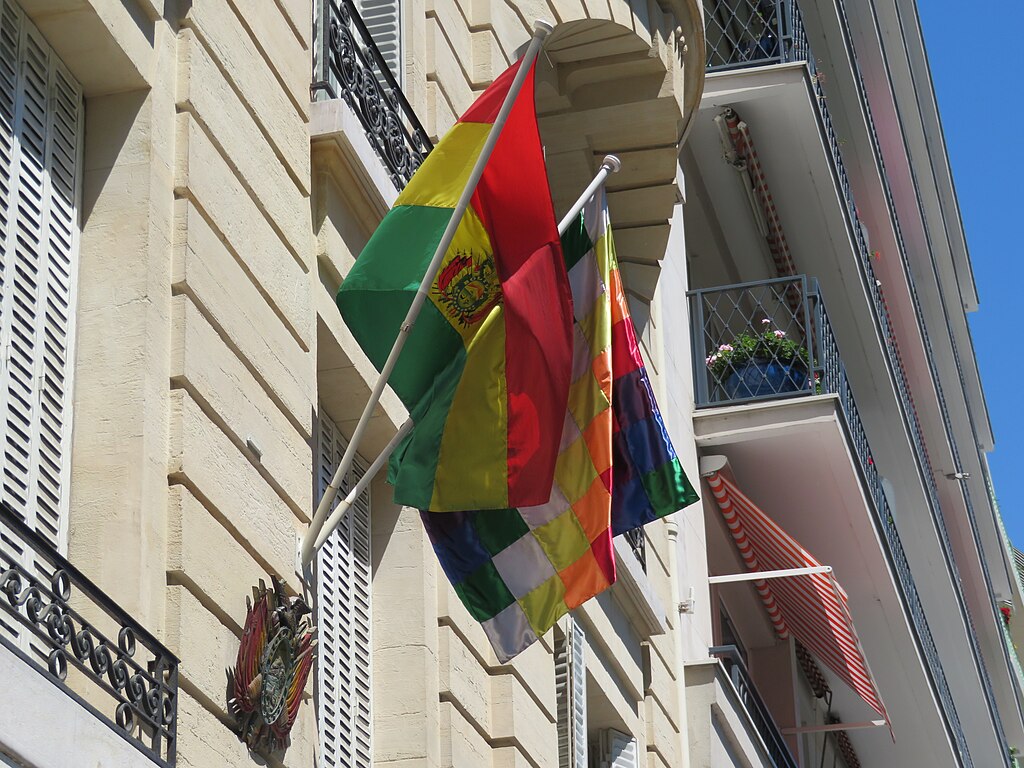
Bolivia is set to vote in a decisive presidential runoff on Sunday, marking a historic political shift away from socialism toward a pro-U.S., market-oriented future. The race features centrist Senator Rodrigo Paz and conservative former president Jorge “Tuto” Quiroga — both committed to rebuilding relations with Washington and revitalizing Bolivia’s struggling economy after years of leftist governance.
For the first time in two decades, Bolivia’s presidency is contested between two pro-market leaders, signaling the decline of the Movement to Socialism (MAS) party founded by Evo Morales. Morales, who governed from 2006 as the nation’s first Indigenous president, aligned Bolivia with Cuba, Venezuela, and Russia while nationalizing its energy sector. In contrast, the current contenders are promising closer U.S. cooperation and economic reform.
Polls indicate a tight race, with a September Ipsos survey showing Quiroga leading with 47% to Paz’s 39%. Both candidates have unveiled ambitious plans to stabilize the economy. Paz has proposed a $1.5 billion U.S. economic cooperation deal to secure energy supplies, while Quiroga seeks a $12 billion international bailout and vows to cut public spending and privatize loss-making state enterprises. Paz, however, advocates gradual reforms that preserve key social programs.
U.S. Secretary of State Marco Rubio praised the election as a “transformative opportunity,” noting both candidates’ commitment to stronger bilateral ties. The vote follows years of economic hardship, with inflation surging to 23% and severe shortages of fuel and foreign currency crippling local businesses.
Many Bolivians, weary of economic stagnation, see the election as a turning point. “We’re basically surviving,” said La Paz market vendor Marcela Martinez. “We need new people to come in.” Polls open at 8 a.m. local time, with initial results expected after 9 p.m.













