


 AstraZeneca Shares Sink After Wainua Trial Misses Key Heart Disease Goal
  Oppenheimer Sees CNH Industrial as Top 2026 Agriculture Stock Pick on Dealer Consolidation Strategy
  SK Hynix Shares Drop After Strong Nasdaq Debut Despite $26 Billion ADR Listing
  Yaskawa Electric Shares Slide as Weak Profit Overshadows Strong AI Demand
  Kitron Q2 Revenue Beats Estimates as Defense Demand Lifts Growth
  Apple Sues OpenAI, Former Employees Over Alleged Trade Secret Theft
  Samsung to Launch First Yongin Chip Plant by 2029 as South Korea Speeds Up Semiconductor Hub
  Goldman AM Sees Strong Buyout Opportunities in Japan, South Korea and Australia
  Genesis Minerals to Acquire Vault in A$5.6 Billion Deal After Regis Withdraws
  Nvidia Tightens AI Chip Sales in Asia With Stricter Customer Approval Process
  Stellantis Q2 Vehicle Shipments Rise 10% as North America Drives Growth
  Nippon Paint Reportedly Offers Up to €7.5 Billion for Akzo Nobel Decorative Paints Business
  Elon Musk Says Anthropic Leads AI Race as Claude Models Challenge OpenAI
  DOJ Grand Jury Investigates UAW President Shawn Fain Ahead of Union Election
  SK Hynix Prices Record U.S. ADR Offering at $149 After $200 Billion Investor Demand
  TSMC Q2 Revenue Surges 36% as AI Chip Demand Powers Growth Ahead of Earnings
  SoftBank Corp Partners With Sierra to Expand AI Customer Support Across Japan


Boeing returned to profitability in the fourth quarter, driven largely by the $10.6 billion sale of its digital aviation services provider Jeppesen, along with higher aircraft production and stronger deliveries. The U.S. planemaker reported net income of $8.22 billion, or $10.23 per share, compared with a $3.86 billion loss a year earlier, marking a significant financial swing after years of turbulence.
However, excluding the one-time Jeppesen windfall, Boeing posted a much deeper loss than analysts expected, underscoring persistent challenges across its core businesses. Losses in Boeing’s commercial airplane division reached $632 million for the quarter, while its defense and space unit recorded a $507 million loss. Investor sentiment was further dampened by a $565 million charge tied to the KC-46 aerial refueling tanker program, reflecting higher production support and supply chain costs. Boeing CEO Kelly Ortberg said the charge is expected to be a one-time event.
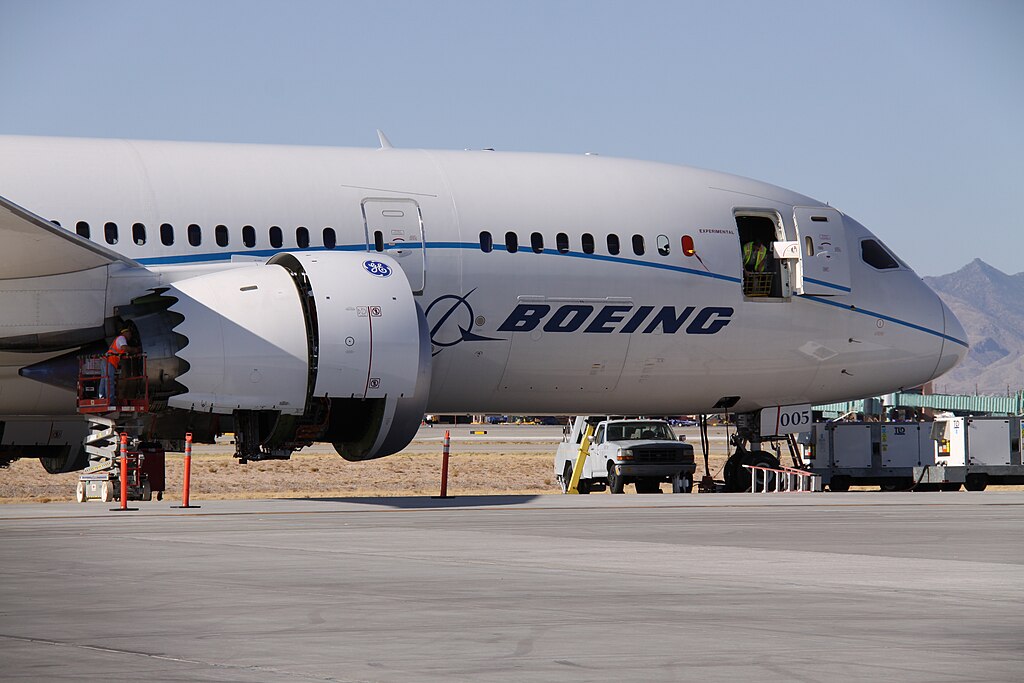
Despite these setbacks, Boeing continued to ramp up production of its most important aircraft programs. The company ended the year producing 42 Boeing 737 MAX jets per month and is working toward increasing output to 47 per month in 2026. Production of the Boeing 787 Dreamliner is also rising, with plans to reach 10 aircraft per month. Boeing delivered 600 commercial airplanes last year, its highest total since 2018, signaling gradual recovery from years of crises involving safety issues, the pandemic, supply chain disruptions, and labor challenges.
Boeing generated $375 million in free cash flow during the fourth quarter, although it still burned $1.9 billion for the full year due to certification delays affecting the 737 MAX and 777X programs. CFO Jay Malave said the company expects between $1 billion and $3 billion in positive free cash flow this year, depending on program timelines.
Fourth-quarter revenue jumped 57% to $23.95 billion, beating analyst expectations. Still, Boeing shares fell more than 2% as markets weighed improving production against ongoing operational and financial risks.







