


 Scandinavian Tobacco Group Sells BREAK and Moro Brands to Japan Tobacco for €176 Million
  Lockheed Martin Unveils Lower-Cost Patriot ACE Interceptor to Meet Rising Air Defense Demand
  Samsung Cuts U.S. Consumer Electronics Jobs as Headquarters Moves to Texas
  Intel, AMD Seek Long-Term China Server CPU Deals as AI Demand Drives Supply Crunch
  Wistron Opens $700M Texas AI Factory to Build Nvidia GB300 Superchips
  Super Micro Computer Stock Jumps 20% After Record AI Orders and Margin Surge
  SpaceX Q2 Earnings on Aug. 4 Set Stage for Historic Insider Share Unlock
  KPMG Australia Appoints John Sams as CEO Following Audit Leak Scandal
  Morgan Stanley Downgrades Adobe, Workday as AI Transition Raises Growth Concerns
  OpenAI Australia Data Center Switches Cooling Strategy After Recycled Water Plan Fails
  ASML Trillion-Dollar Valuation: Can Europe’s AI Chip Giant Reach the Historic Milestone?
  Judge Approves Anthropic’s $1.5 Billion AI Copyright Settlement With Authors
  GE Vernova Q2 Revenue Tops Estimates as Earnings Miss, Shares Slide Despite Higher 2026 Outlook
  Macquarie Names Greg Ward as CEO, Signaling Stability and Strategic Continuity
  Wistron Opens $700M Texas AI Factory to Build Nvidia Superchips in U.S.
  IBM Q2 Earnings Miss Estimates as Software Growth Offsets Infrastructure Weakness
  Nike Shifts China Online Sales Strategy to Boost Brand and Fight Local Rivals


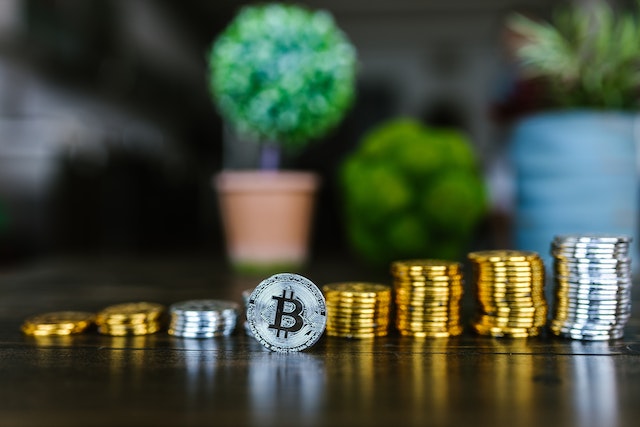
Bitcoin is a disruptive force that has developed recently, changing how people think about and interact with money. Its impact on the global economy and financial institutions as a decentralized digital currency has been far beyond its original intent as a P2P payment mechanism. The article examines Bitcoin's impact on the global financial system from various angles, including its role in enabling financial inclusion and cross-border transaction, amongst other factors.
Financial inclusion and access
Bitcoin has ushered in a new era of widespread financial access and inclusion, particularly for the unbanked. Bitcoin, alongside other cryptocurrencies discussed on crypto news sites like CoinNews, allows those without access to traditional banking services to do so by offering a safe, digital currency not backed by any government or central bank. And since it is decentralized, the coin is less vulnerable to censorship and manipulation from governments and other centralized bodies. It may be especially helpful for those currently residing in countries with harsh governments or uncertain economies. Bitcoin's cheap transaction costs also make it a viable choice for people who lack the financial resources to cover expensive banking fees.
Cross-border transactions and remittances
Bitcoin has completely altered international money transfers. Users may now make and receive payments rapidly, safely and cheaply from around the globe. Bitcoin transactions are also irreversible and cannot be changed once processed. It removes the potential for fraud or chargebacks, making it a great option for cross-border transactions. Unlike conventional currencies, Bitcoin is not affected by variations in the dollar value, making it simpler to plan for overseas transfers. Last but not least, Bitcoin transactions are fast and secure, taking minutes rather than days or weeks with more conventional means.
Investment and speculation
Bitcoin is now a significant player in the financial markets. It provides investors with new avenues for portfolio diversification and taking advantage of market dynamics by removing the need for consumers to depend on conventional financial institutions for storing and transferring assets. Bitcoin has a dual effect on how people allocate capital. First, it gives investors access to a hitherto untapped asset class. Bitcoin allows investors to lower their overall risk exposure to conventional assets like equities and bonds while achieving their desired returns. Second, Bitcoin's price swings attract short-term traders who may take advantage of market volatility to trade Bitcoin.
Regulatory challenges and adoption
There has been excitement and skepticism about the widespread use of Bitcoin and similar cryptocurrencies. To regulate Bitcoin and other cryptocurrencies, governments throughout the globe have adopted a variety of stances, from outright prohibitions to more open-minded approaches. Governments need to find a balance between fostering innovation and safeguarding citizens from the hazards connected with Bitcoin and other digital assets if they are to realize their full potential. Investor education programs and anti-fraud activities are examples of consumer protections being prioritized by creating clear and comparable legislation across countries.
In conclusion, Bitcoin has unquestionably set off a chain reaction altering monetary and economic institutions worldwide. However, how governments, regulators and users manage Bitcoin's growth and incorporation into the global financial system will determine whether or not Bitcoin continues to alter the global economy and financial institutions radically.
This article does not necessarily reflect the opinions of the editors or management of EconoTimes







