


 U.S. and Israel Escalate Pressure on Iran Over Strait of Hormuz as War Enters Sixth Week
  Trump Eyes Cabinet Shake-Up Amid Iran War Political Fallout
  UN Confirms Sexual Exploitation Allegations Against Haiti Security Force Members
  U.S. Strikes on Iran Draw War Crimes Warnings from International Law Scholars
  Iran Rejects U.S. Ceasefire Proposal Amid Ongoing Tensions
  China's Anti-Corruption Purge Reaches New Heights as Politburo Shrinks to 25-Year Low
  Ukraine Frontline Holds Firm as Zelenskyy Claims March Offensive Successfully Repelled
  U.S.-Iran War Escalates: Downed Fighter Jet, Stalled Ceasefire Talks, and Ground Invasion Fears
  Trump Threatens Expanded Military Strikes on Iran, Targeting Bridges and Power Plants
  Russia Unleashes Drone Barrage on Kharkiv, Injuring Child Among Victims
  U.S. Warplane Shot Down by Iran Amid Escalating Middle East Conflict
  Russia's Easter Strikes Kill Multiple Civilians Across Ukraine
  MATCH Act Targets ASML and Chinese Chipmakers in New U.S. Export Crackdown
  Zelenskyy Offers Ukraine's Naval Drone Expertise to Secure the Strait of Hormuz
  First Western Ship Transits Strait of Hormuz Since Iran War Began
  Judge Blocks DOJ Subpoenas in Federal Reserve Investigation, Delaying Powell Succession
  Microsoft's $10 Billion Japan Investment: AI Infrastructure and Data Sovereignty Push


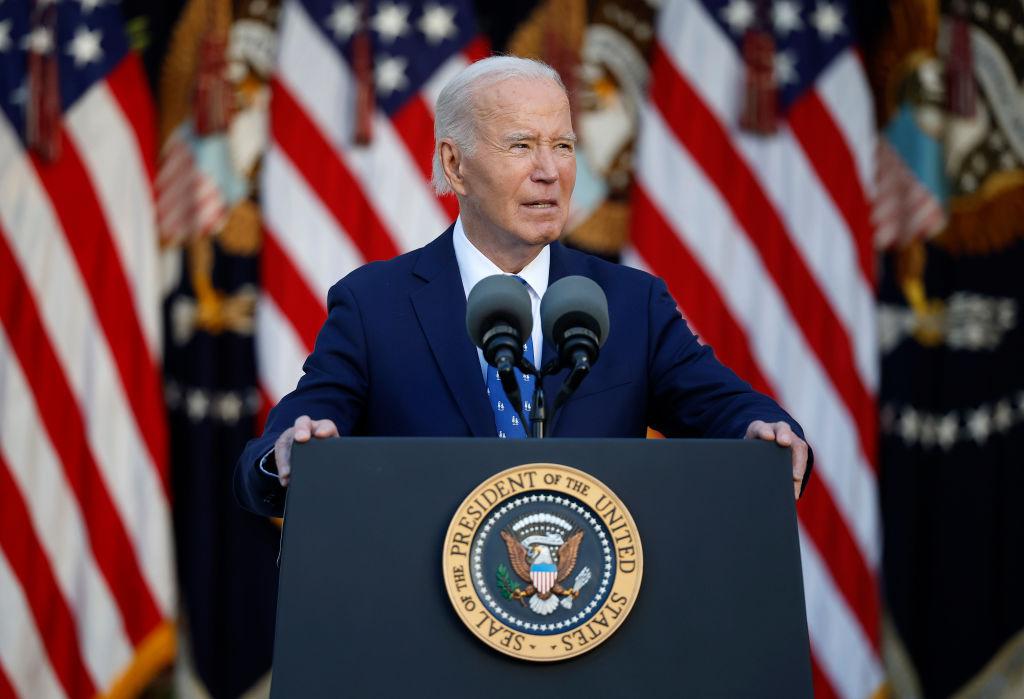
President Joe Biden has announced a sweeping initiative to safeguard Nevada’s Ruby Mountains from oil, gas, and geothermal development for the next 20 years. This decisive action, occurring in the final weeks of his presidency, aims to preserve a region renowned for its breathtaking beauty and rich biodiversity.
The announcement signals Biden’s continued commitment to climate action as his administration races to cement environmental policies before President-elect Donald Trump takes office next month, potentially reversing many of these measures.
Preserving Nevada’s Ruby Mountains
The Biden administration’s Department of the Interior has submitted an application to withdraw approximately 264,000 acres of federal land in the Ruby Mountains from energy development leasing. This process will initiate a 90-day public comment period, during which oil, gas, and geothermal development will be halted for two years as the application undergoes review.
Often called Nevada’s “Swiss Alps” for their alpine peaks, pristine lakes, and abundant wildlife, the Ruby Mountains are cherished for their ecological and cultural importance. The area has long been a focal point for conservationists, Native American tribes, hunters, and anglers advocating for its protection.
Interior Secretary Deb Haaland praised the move, emphasizing its significance. “The Ruby Mountains are cherished by local communities for their scenic value, cultural heritage, and benefit to the local economy through outdoor recreation,” she said. “This step ensures the necessary science and public input to safeguard the region for future generations.”
However, while the ban addresses oil and gas exploration, it does not restrict existing mining operations, leaving some environmental advocates calling for broader protections.
Racing Against Time on Climate Policy
The announcement reflects Biden’s urgency to solidify his environmental legacy before President-elect Trump assumes office. Trump has indicated plans to prioritize fossil fuel production, potentially pulling the U.S. out of the Paris Agreement once again, as he did during his first term.
Biden’s climate advisers remain steadfast, asserting that the push for renewable energy and ecological preservation will continue. This latest move complements a series of last-minute actions, including multibillion-dollar clean-energy loans and updated national greenhouse gas reduction targets.
Critics, however, argue that these measures could impede economic growth and U.S. energy independence. Energy industry advocates have already voiced opposition to the Ruby Mountains protection, claiming it limits job creation and domestic energy production.
Public Reactions Divide Opinions
The decision has sparked intense debate on social media, with environmental advocates and energy proponents voicing contrasting views.
“Protecting the Ruby Mountains is an absolute win for future generations,” tweeted @EcoWarriorNevada. “Nature must come before profit.”
Meanwhile, @EnergyJobsFirst expressed frustration: “This is a direct hit on American workers. When will these policies start valuing economic growth?”
Supporters lauded Biden’s commitment to conservation. User @WildlifePreserve posted, “Nevada’s ‘Swiss Alps’ are irreplaceable. Kudos to the administration for prioritizing our planet over fossil fuels.”
Others questioned the timing of the move. “Why wait until the last minute to act? Makes it look political,” wrote @SkepticInChief.
Another user, @OutdoorAdventurer, countered, “About time someone stepped up for our public lands! Thank you, President Biden.”
Finally, @ClimateCrisisNow urged urgency: “This fight isn’t over. Trump’s policies could undo this progress. Stay vigilant, everyone.”
What Lies Ahead?
The future of the Ruby Mountains remains uncertain. While Biden’s actions temporarily halt energy development, Trump’s incoming administration may quickly reverse course. For now, supporters of the ban view it as a necessary measure to protect an iconic American landscape and mitigate the escalating impacts of climate change.







