


 Novartis to Acquire Biotech Firm Excellergy in $2 Billion Deal
  Wildfires ignite infection risks, by weakening the body’s immune defences and spreading bugs in smoke
  Reflection AI Eyes $25 Billion Valuation in Massive $2.5 Billion Funding Round
  Drug pollution in water is making salmon take more risks – new research
  Ukraine minerals deal: the idea that natural resource extraction can build peace has been around for decades
  Google's TurboQuant Algorithm Sends Memory Chip Stocks Tumbling
  Nanya Technology Shares Surge 10% After $2.5 Billion Private Placement from Sandisk and Cisco
  Parasites are ecological dark matter – and they need protecting
  France's 2025 Budget Deficit Shrinks More Than Expected, Easing Fiscal Pressure
  Cybersecurity Stocks Tumble After Anthropic's Claude Mythos AI Leak Sparks Market Fears
  SK Hynix Eyes Up to $14 Billion U.S. IPO to Fund AI Chip Expansion
  Asian Stocks Rebound as Trump Delays Iran Strike Deadline
  WTO Reform Talks Begin in Cameroon Amid Global Trade Tensions
  Extreme heat, flooding, wildfires – Colorado’s formerly incarcerated people on the hazards they faced behind bars
  Fertile land for growing vegetables is at risk — but a scientific discovery could turn the tide
  The UK is surprisingly short of water – but more reservoirs aren’t the answer


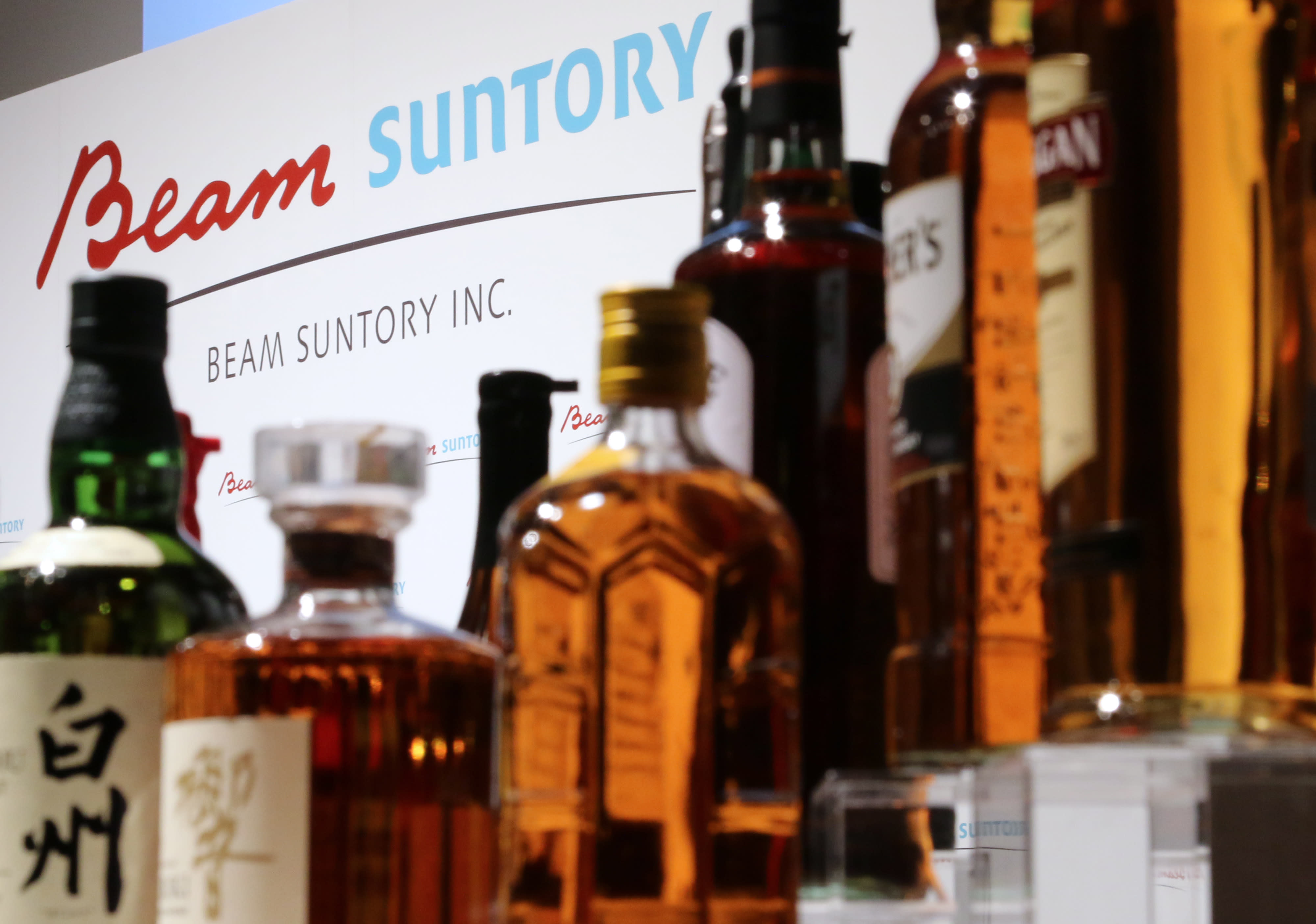
Beam Suntory has invested $400 million to build a gas processing facility in its distillery in Boston, Kentucky, to boost its output by 50 percent while halving its greenhouse gas emissions.
The company will build a facility across the street from the distillery that will convert “spent spillage” from the plant into usable biogas and pipe it back into the distillery.
Upon the project’s completion in 2024, 65 percent of the distillery’s gas-fuel needs will be supplied by the biogas.
The process will also yield fertilizer that will be distributed to local farmers.
To make the most of renewable natural gas, the distillery will use high-efficiency gas boilers. Scrubbing technology will be used to remove carbon dioxide from fermentation tanks.
The facility will be built by 3 Rivers Energy Partners in partnership with Beam Suntory.







