


 US Forces Exit Iraq as Iran Influence and ISIS Risks Grow
  TRUMP Memecoin Launches New Dinner Contest
  US Sanctions Iran Weapons Procurement Network
  Netanyahu Says Israel May Join Flydubai Crash Attempt Probe
  US Conducts Non-Nuclear Explosion Test to Boost Nuclear Detection
  US Alcohol Ban Exposes Canada’s Internal Trade Barriers
  Pentagon Launches Autonomous Warfare Command
  TSA Removes Chairs for Airport ID Check Officers
  Putin Says Western Firms Could Regain Russian Assets
  Marco Rubio to Visit Iceland, Greece and Portugal
  Israel Tightens Pilot Security After Flydubai Incident
  Trump Demands Powell Resign Over Fed Renovation Cost Overruns
  Ukraine Deploys FP-7 Ballistic Missile in Combat for First Time
  New Zealand Election Raises Policy Uncertainty for Investors
  Trump Praises Boeing 737 Max After Flydubai Crash Attempt
  UN Extends Haiti Security Force Mandate Ahead of Elections
  CNN, Politico and MS NOW Seek Court Order Blocking Trump White House Ban


 Add as a preferred source on Google
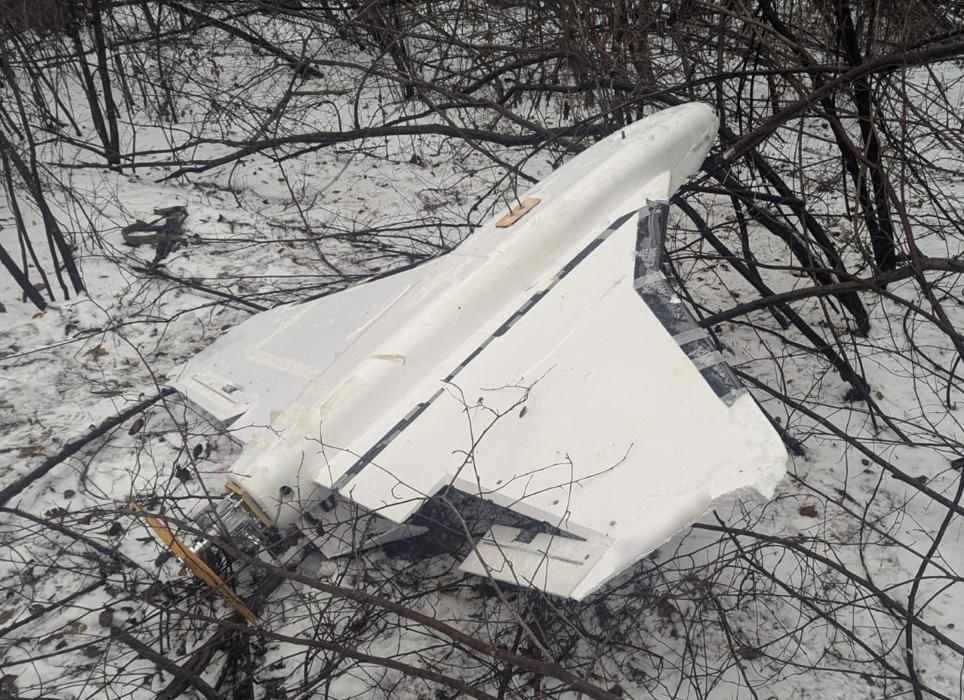
Recent Ukrainian drone incursions into Baltic airspace have heightened security concerns across Eastern Europe, increasing tensions between NATO members and Russia. The incidents come as Ukraine intensifies long-range drone attacks targeting Russian Baltic ports responsible for a significant share of the country’s oil and gas exports. Baltic nations including Lithuania, Latvia, and Estonia have confirmed that most of the drones involved were Ukrainian, though officials blame Russian electronic warfare systems for disrupting navigation signals and forcing the drones off course.
The growing number of airspace violations has exposed weaknesses in NATO’s regional air defense systems. In a major development, a NATO military jet reportedly intercepted and destroyed a suspected Ukrainian drone in Estonian airspace, marking the alliance’s first missile defense action in the Baltics since the countries joined NATO in 2004. Lithuania also experienced emergency security alerts after drones approached populated areas, forcing lawmakers to seek shelter.
Baltic officials accuse Russia of using aggressive rhetoric and hybrid warfare tactics to intimidate neighboring states and weaken Western support for Ukraine. Estonian Foreign Minister Margus Tsahkna stated that Moscow is attempting to pressure NATO allies into discouraging Ukraine’s drone operations. Meanwhile, Ukrainian authorities deny allegations that they intentionally use Baltic airspace as cover for attacks on Russia. Kyiv instead claims Russia deliberately jams drone systems to redirect them toward NATO territory.
The situation has fueled fears of accidental escalation between NATO and Russia, particularly as military tensions remain high across the region. Analysts warn that continued drone incidents near NATO borders could increase the risk of miscalculation and broader conflict. At the same time, uncertainty surrounding long-term U.S. commitment to NATO defense obligations has intensified concerns among Baltic leaders seeking stronger regional security guarantees.







