


 Orsted Q1 EBITDA Beats Expectations Despite U.S. Impairments
  FxWirePro: USD/CNY hovers near three-year low, scope for further downside
  Morgan Stanley Bets on Optical Component Stocks in Greater China Tech Sector
  Ethereum Technical Outlook: ETH Braces for Support as Bulls Eye the USD 2,200 Buy Zone
  Hantavirus Cruise Ship Outbreak Triggers Global Health Alert
  FxWirePro: GBP/USD rises as UK political uncertainty fails to dent pound strength
  Armani Group Eyes Strategic Stake Sale to Luxury Giants
  FxWirePro: GBP/AUD edged higher but bearish outlook remains
  FxWirePro- Major European Indices
  FxWirePro: AUD/USD remains buoyant, looks to extend gains
  TikTok Nears $400 Million Settlement With Trump Administration Over Child Privacy Lawsuit
  UOB Q1 Profit Meets Expectations as Loan Growth Offsets Lower Interest Rates
  Sony Forecasts Lower 2027 Profit Despite Strong Music and Sensor Growth
  Judge Delays SEC Settlement With Elon Musk Over Twitter Stock Disclosure Case
  Philips Reaffirms 2026 Outlook After Strong Q1 Sales and Margin Beat
  FxWirePro- Woodies pivot (Major)
  Coinbase Q1 2026 Earnings Miss Sends COIN Stock Lower Amid Crypto Market Slump


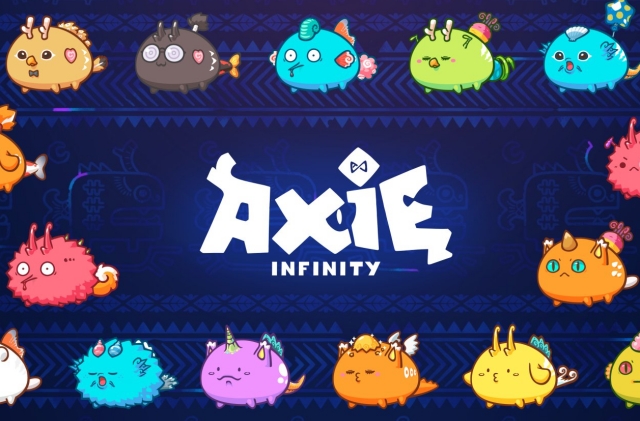
“Axie Infinity” is a type of non-fungible token (NFT) online video game, and it recently became so popular in the Philippines due to its play-to-earn mode of gaming. It allows players to earn after successfully competing in battles, and now the country’s Bureau of Internal Revenue says that the earnings in the game are taxable.
According to ABS CBN News, the tax collection agency of the Philippines said on Tuesday, Aug. 23, that players of “Axie Infinity” should register with the BIR and pay taxes for the income they get from playing the NFT game.
“Many are saying, ‘Why is the BIR taxing us when we are just playing?” Marissa Cabreros, the BIR deputy commissioner, said regarding the imposition of tax on online gaming. “Unfortunately, while you play, you get paid income, you earn. At the end of the day, there is a flow of income to our players, so that is still income that can be taxable.”
In any case, people can earn cryptocurrencies while playing “Axie Infinity,” and these can be exchanged for real cash money in pesos for Filipino gamers. In recent months, the popularity of this online NFT game title has exploded, and the value of crypto has also soared. This is the main reason why it attracted millions of players, particularly in Manila.
Likewise, the Business World reported that the nation’s Department of Finance (DoF) confirmed that “Axie Infinity” and other NFT games with play-to-earn options are subject to tax because they provide income derived from trading and investing in cryptocurrencies.
Antonette C. Tionko, DoF Undersecretary and Revenue Operations Group chief, stated that any gains from cryptocurrency are taxable, and this includes the earnings from playing NFT games. But then again, the official clarified that buying tokens that are needed in the game is not taxable.
She said that players of “Axie Infinity” must report the earnings they get from playing to the BIR so that they can pay the applicable tax. Tionko also pointed out that the game is not registered in the country, so the agency is looking to form a system for registrations in the Philippines.
“Apparently, it’s a non-resident foreign corporation,” she said. “It is not registered in the Philippines and that is one of the things that we hopefully capture once we have that system of registration for non-residents, those types of companies.”







