


 RBA Set for Back-to-Back Rate Hikes, Westpac Forecasts
  U.S. Futures Slide as Oil Prices Surge on Middle East Shipping Attacks
  China's Trade Surplus Surges Past Forecasts in Early 2026
  Asian Markets Retreat as Oil Prices Surge Toward $100 Amid Middle East Tensions
  U.S.-Israel War on Iran Sends Crude Oil Prices Surging Amid Strait of Hormuz Tensions
  Chinese AI Stocks Surge as Tencent, MiniMax, and Zhipu Launch Agentic AI Programs
  U.S. Solar Market Contracts in 2025 as Trump Rolls Back Renewable Energy Incentives
  Asian Currencies Face Pressure as U.S.-Iran Conflict Weighs on Markets
  Gold Prices Climb Above $5,200 as Iran War Uncertainty and Inflation Data Loom
  IEA Releases Record 400 Million Barrels of Oil Amid U.S.-Iran War
  Dollar Stabilizes Amid Iran War Uncertainty as Oil Prices Remain Elevated
  Oil Prices Surge Toward $100/Barrel After Tanker Attacks in Iraqi Waters
  UK Housing Market Slows Amid Geopolitical Tensions and Mortgage Rate Fears
  Iran-Israel War Sparks Global Oil Crisis as Tankers Burn in Gulf Waters
  Venezuela Names Paula Henao as New Oil Minister Amid U.S.-Led Industry Overhaul
  Gold Prices Slip as U.S.-Israel-Iran War Fuels Dollar and Oil Demand
  Nations will release an extra 400 million barrels of oil to the market. All we need to do now is not panic at the pump


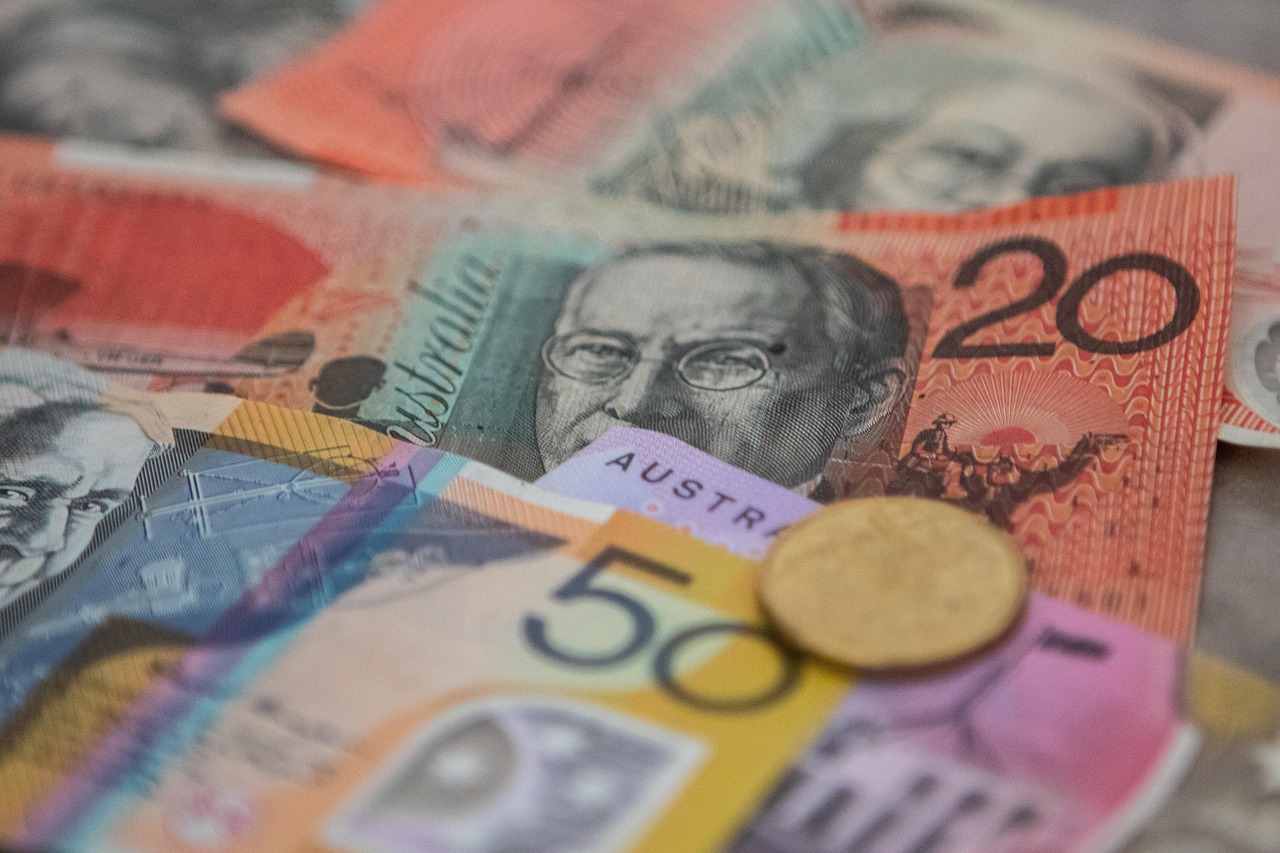
The Australian dollar is on track for another strong monthly gain as rising expectations of a more hawkish Reserve Bank of Australia (RBA) boost investor confidence. Meanwhile, the Japanese yen is heading toward a monthly loss, weighed down by political uncertainty surrounding the Bank of Japan’s (BOJ) policy direction.
Despite ongoing geopolitical tensions, a landmark U.S. Supreme Court ruling on Trump-era tariffs, and volatility tied to the artificial intelligence trade, global currency markets this month have been driven largely by shifting interest rate expectations. Analysts note that the focus has moved from rate cuts in 2024 to potential rate hikes in 2025.
The Australian dollar hovered at $0.7106, marking a roughly 2% monthly gain and more than 6% growth year-to-date, making it the best-performing G10 currency so far this year. A resilient domestic economy and persistent inflation pressures have fueled speculation that the RBA may deliver another 25-basis-point rate hike before year-end. Currency strategists suggest the Aussie could strengthen further if tightening expectations remain intact.
In contrast, the Japanese yen has struggled despite signals from BOJ Governor Kazuo Ueda that a near-term rate hike is possible. The yen traded around 155.78 per dollar, down for both the week and month. Markets remain cautious after Japan’s government nominated two pro-stimulus academics to the BOJ board, reinforcing concerns that political leadership may resist aggressive monetary tightening.
Elsewhere, the U.S. dollar is set for a modest monthly gain of 0.6%, supported by a slightly hawkish Federal Reserve. Although several Fed policymakers have indicated openness to further rate hikes if inflation persists, investors are still pricing in two rate cuts later this year. The Supreme Court’s decision to strike down Trump’s tariffs has also strengthened confidence in U.S. institutional stability, offering additional support to the dollar.
Sterling weakened to $1.3484 and is poised to end a three-month winning streak as traders anticipate a possible Bank of England rate cut in March. The euro remained relatively stable near $1.1796, with expectations that the European Central Bank will hold rates steady in the coming months.
In Asia, China’s central bank announced it will remove foreign exchange risk reserves for certain forward contracts, reducing the cost of dollar purchases. The yuan, which has gained 4.4% against the dollar this year, edged slightly lower in offshore trading at 6.8585 per dollar.
As global markets adjust to evolving monetary policy signals, currency movements continue to reflect diverging central bank strategies and shifting economic outlooks worldwide.













