


 Asian Currencies Stay Muted as Dollar Holds Firm Amid Iran Uncertainty
  Iran-Israel Missile Strikes Continue Amid Mixed Signals on U.S.-Iran Diplomacy
  Gold Prices Climb as Middle East Ceasefire Talks Stir Market Optimism
  Oil Prices Rebound as Iran Denies U.S. Talks Amid Gulf War Supply Fears
  Australia's Inflation Eases in February but Core Pressures Persist
  Australia-EU Free Trade Deal Signed After Years of Negotiations
  Asian Stocks Gain Amid Iran Conflict Uncertainty
  Trump Tariffs Show Minimal Economic Impact but Boost Federal Revenue, Study Finds
  Asian Currencies Weaken as Dollar Rebounds Amid Middle East Uncertainty and Japan Inflation Data
  Currency Markets Show Caution Amid U.S.-Iran Negotiations
  Japan Eyes Oil Futures Intervention to Stabilize Yen Amid Middle East Crisis
  U.S. Stock Futures Steady as Iran Reviews U.S. Ceasefire Proposal
  Wall Street Slides as Iran War Uncertainty, Oil Surge, and AI Fears Rattle Markets
  Oil Prices Rebound as Iran Denies U.S. Talks, Middle East Tensions Persist
  Oil Prices Plunge Over 6% as Middle East Ceasefire Hopes Ease Supply Fears
  Bank of Japan Eyes April Rate Hike Despite Inflation Dip, ING Says


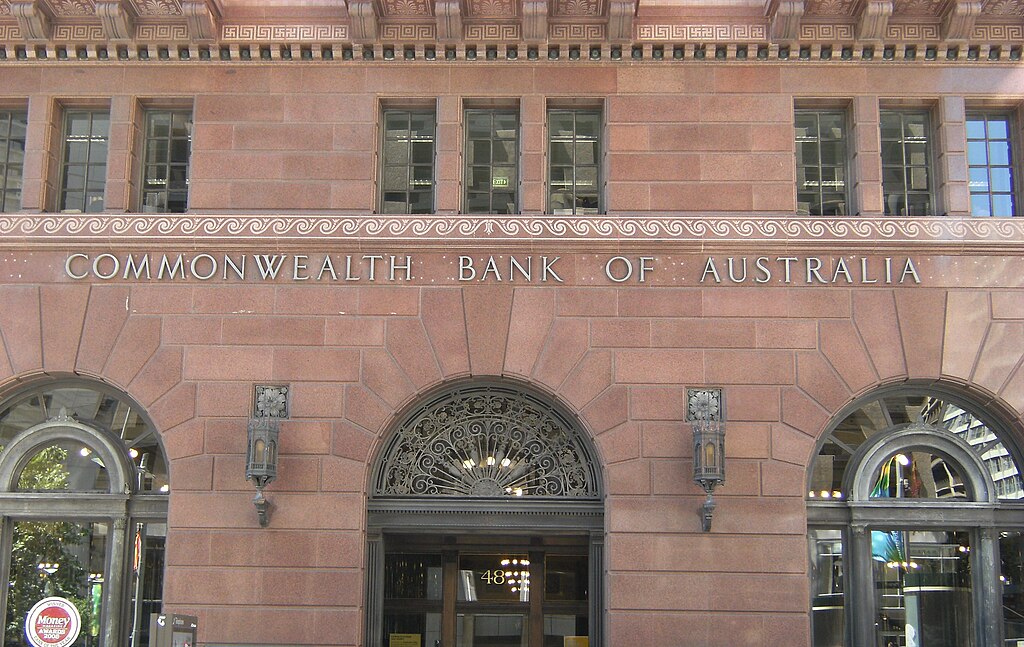
Australian bank stocks took a breather on Monday after a brutal eight-session sell-off wiped over A$63 billion ($40 billion) from market value. The "Big Four" banks—Commonwealth Bank of Australia (CBA), National Australia Bank (NAB), Westpac, and ANZ—saw sharp declines, with some hitting multi-year highs before a downturn fueled by an interest rate cut, weak earnings, and rising bad debts.
Despite strong growth in 2023, boosted by superannuation funds and retail investors, the sector faced headwinds last week after the central bank cut interest rates for the first time since 2020. This, combined with concerns over loan arrears and margin contraction, triggered investor exits from overvalued stocks.
Financial stocks rose 0.8% on Monday but remained down over 7% since February 12, underperforming the ASX200’s 3% decline. CBA, the nation’s top lender, lost 10% in eight sessions, erasing A$25 billion in market value, despite reporting strong first-half profits on February 12. NAB, the leading business lender, snapped a six-day losing streak on Monday but remains down nearly 14%, losing A$18 billion in value after warning of borrower strain and rising defaults.
Westpac and ANZ also reported shrinking margins and increased impaired assets, shedding a combined A$19 billion. However, NAB and ANZ gained over 1% on Monday, while Westpac rose 0.6%.
Analysts at Macquarie warned that the long-expected "de-rating" of the banking sector may have arrived, as valuations remain high despite looming risks. With earnings upgrades slowing and interest rates impacting profitability, further downside pressure on bank shares remains a concern for investors.













