


 RBA Says ASX Still Falls Short on Governance and Risk Controls
  US Stock Futures Rise as Weak Jobs Data Eases Fed Hike Bets
  Gold Prices Slip as Strong Dollar and High Treasury Yields Weigh
  Europe EV Sales Hit Record as Affordable Models Boost Demand
  Asian Currencies Steady as Dollar Holds Near 18-Month High
  Fed Rate Hike Threatens Housing as U.S. Growth Leans on AI, Citi Says
  BOJ Set for 25-Basis-Point Rate Hike as Yen Weakness Fuels Inflation
  Asian Stocks Rally as Soft US Jobs Data Boosts Tech
  Trump Plans Diesel Tax Relief as Fuel Prices Hit Record Highs
  Asian Stocks Rise as Fed Rate Hike Bets Fade
  German Industrial Orders Plunge 10.6% in August
  Fed Unveils Stablecoin Rules Under GENIUS Act
  Oil Prices Fall as Middle East Exports Recover, G7 Eases Supply Fears
  OPEC+ Keeps November Oil Output Targets Steady


 Add as a preferred source on Google
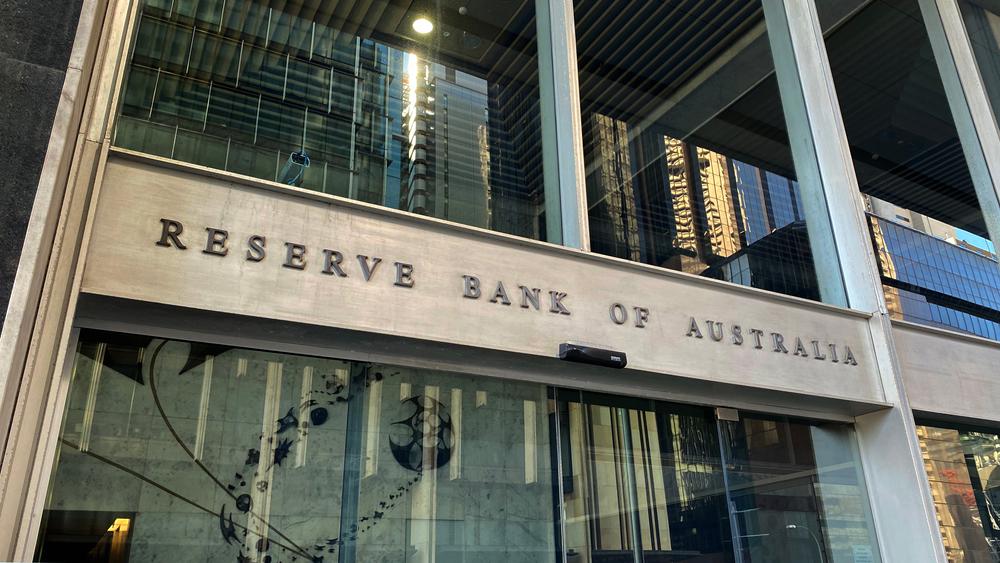
Australian consumer confidence fell sharply in October as households grew increasingly worried about rising living costs, higher interest rates, personal finances and the jobs outlook, according to data released Tuesday by Westpac.
The Westpac-Melbourne Institute Consumer Sentiment Index dropped 4.7% to 80.4 from 84.4 in September. The result was considerably weaker than forecasts for a 1.2% decline to roughly 83.4 and ranked among the lowest readings since the survey began in the early 1970s.
Westpac said the Reserve Bank of Australia’s latest interest rate increase appeared to have significantly damaged household confidence. The RBA raised its cash rate to 4.6%, the highest level since 2011, adding further pressure on borrowers already struggling with elevated expenses.
The impact of the RBA decision was particularly clear within the survey. Sentiment among the 60% of respondents questioned before the rate announcement stood at 86.9. Among consumers surveyed after the decision, confidence plunged to 67.2.
That nearly 20% gap between the pre- and post-RBA groups was the largest recorded since Westpac began monitoring daily survey responses in 2019.
Higher fuel costs are also squeezing Australian households. Average weekly petrol prices have climbed above A$2.30 per litre, nearly 25% higher than at the beginning of the year. Westpac also expects the standard variable mortgage rate to rise above 9%, increasing repayment burdens for homeowners.
The weakness in confidence was widespread. Westpac found that pessimists outnumbered optimists across 102 of the 106 consumer groups monitored in the survey. More than 80% of respondents also expect mortgage rates to increase over the coming 12 months.
Concerns are now extending beyond inflation and borrowing costs. The survey showed growing anxiety about employment prospects, indicating that Australian consumers are becoming increasingly cautious about both household finances and the broader economic outlook.







