


 Australia Probes Flydubai Co-Pilot’s Links After FZ1073 Hijack Attempt
  UK Warned Over Growing Reliance on US Cloud Providers
  Trump Plans Diesel Tax Relief as Fuel Prices Hit Record Highs
  Nicaragua Withdraws From Central American Parliament
  India-US Trade Deal Talks Hit Plateau, Sitharaman Says
  Trump Offers US Help to Russia After Plague Lab Worker Dies
  Japan Protests to US After Marine Arrested in Okinawa Murder Case
  Yemen Launches Major Offensive to Retake Houthi-Held Areas
  OPEC+ Keeps November Oil Output Targets Steady
  US DOT Ends Airline Privacy Review Without Enforcement
  Ukraine Faces $56 Billion Budget Gap as War Costs Soar
  Takaichi Pledges to Control Japan Bond Issuance
  US Army Tests Counter-Drone Technology Along Mexico Border
  Iran Keeps Strait of Hormuz Closed as War Talks Stall
  Fairshake Backs 32 Pro-Crypto House Candidates
  Russia Strikes Kyiv Bridge as Ukraine Infrastructure Attacks Escalate
  ISIS Attack Near Kirkuk Kills Iraqi Policeman After US Withdrawal


 Add as a preferred source on Google
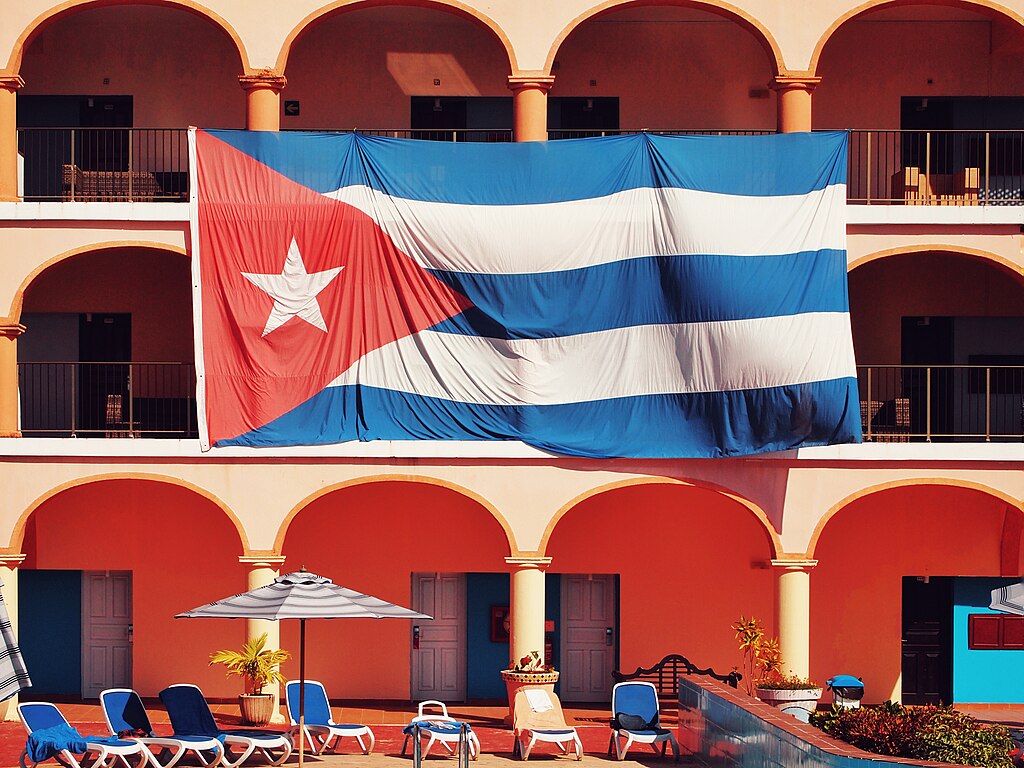
Cuba and the United States continue to maintain communication channels, but no formal negotiations are currently underway as President Donald Trump intensifies pressure on Havana, according to Cuba’s top diplomat in Washington.
Lianys Torres Rivera, chargé d’affaires at the Cuban Embassy in Washington, told Reuters on Monday that Havana remains willing to pursue “respectful” dialogue with the United States. However, Cuba is taking Trump’s threats seriously and has strengthened preparations to defend the island against possible US military action.
Recent US-Cuba contacts have included meetings, telephone calls and WhatsApp messages, Torres Rivera said. Still, neither side has agreed on a negotiating agenda or taken steps toward restarting official talks.
“What we have with the US is channels of communication,” she said, declining to disclose details about participants, timing or subjects discussed.
Her comments contrast with Trump’s statement at the United Nations last month that Secretary of State Marco Rubio was “deep into negotiations” with Cuba. Trump also described Cuba as a “failed state” and predicted the government would collapse, prompting the Cuban delegation to walk out.
Tensions have intensified as Washington maintains an oil blockade that has worsened Cuba’s fuel shortages and electricity blackouts. UN human rights experts have criticized the blockade as violating international law.
Cuban Foreign Minister Bruno Rodriguez said in June that discussions launched earlier in the year had stalled. He reiterated in September that no negotiations were underway or planned.
Torres Rivera said Cuba’s political system remains a “red line,” meaning Havana will not negotiate changes to its government. She accused Washington of using national security claims to justify economic pressure and “collective punishment.”
The Trump administration tightened the Cuba embargo last week, imposing additional restrictions on American travel and limiting US banking access for Cuba’s private sector.
Cuba, meanwhile, announced free-market reforms in June that could represent its biggest economic shift since Fidel Castro took power in 1959. Washington says those measures remain insufficient and continues to demand “free and fair” elections.
Trump recently predicted the two countries would eventually reach a deal and said military action might not be necessary. Cuba, however, continues preparing for potential conflict.
“Cuba has always been preparing for an aggression from the US,” Torres Rivera said, adding that Havana is increasing its defensive capabilities.







