


 U.S.-India Trade Framework Signals Major Shift in Tariffs, Energy, and Supply Chains
  Dow Hits 50,000 as U.S. Stocks Stage Strong Rebound Amid AI Volatility
  Global Markets Slide as AI, Crypto, and Precious Metals Face Heightened Volatility
  Fed Governor Lisa Cook Warns Inflation Risks Remain as Rates Stay Steady
  Trump Backs Nexstar–Tegna Merger Amid Shifting U.S. Media Landscape
  U.S. Stock Futures Slide as Tech Rout Deepens on Amazon Capex Shock
  India–U.S. Interim Trade Pact Cuts Auto Tariffs but Leaves Tesla Out
  Bank of Japan Signals Readiness for Near-Term Rate Hike as Inflation Nears Target
  Iran–U.S. Nuclear Talks in Oman Face Major Hurdles Amid Rising Regional Tensions
  Dollar Steadies Ahead of ECB and BoE Decisions as Markets Turn Risk-Off
  Trump Signs “America First Arms Transfer Strategy” to Prioritize U.S. Weapons Sales
  Asian Stocks Slip as Tech Rout Deepens, Japan Steadies Ahead of Election
  U.S. Lawmakers to Review Unredacted Jeffrey Epstein DOJ Files Starting Monday
  New York Legalizes Medical Aid in Dying for Terminally Ill Patients
  South Korea Assures U.S. on Trade Deal Commitments Amid Tariff Concerns
  Trump Allegedly Sought Airport, Penn Station Renaming in Exchange for Hudson River Tunnel Funding
  Trump’s Inflation Claims Clash With Voters’ Cost-of-Living Reality


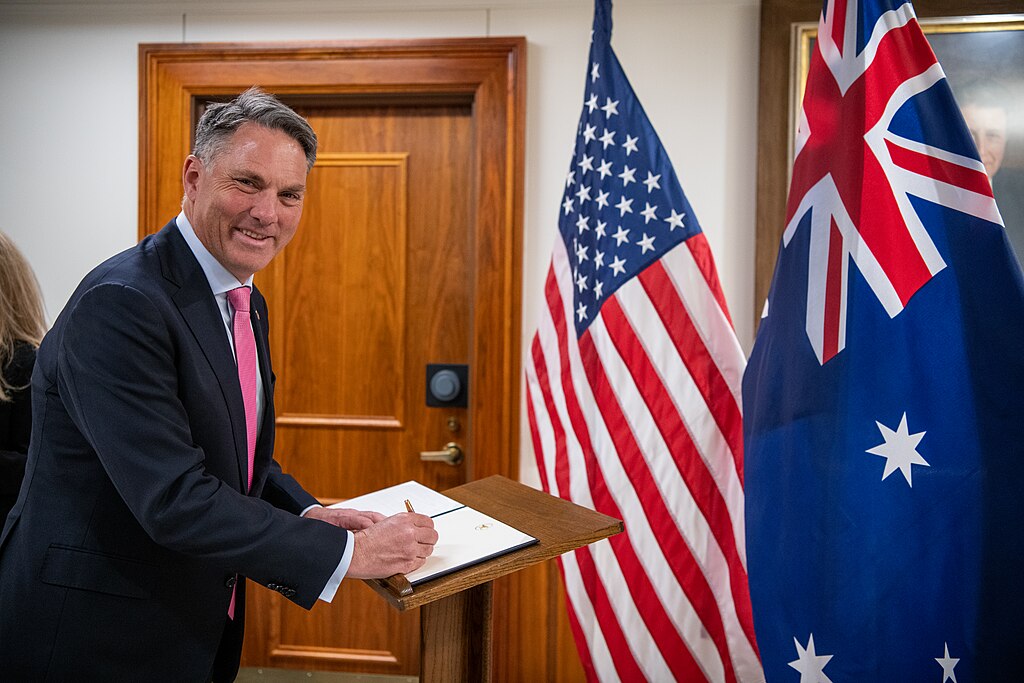
Australia is set to implement one of its most significant defence reforms in decades, with the government announcing a complete restructuring of the Department of Defence. Defence Minister Richard Marles confirmed that a new Defence Delivery Agency will be established, along with the appointment of a national armaments director, in an effort to streamline defence spending and boost project delivery efficiency. The reform initiative, which will begin in July next year, aims to address long-standing challenges in defence procurement and modernisation as Australia ramps up its national security strategy.
Under the new structure, the Defence Delivery Agency will absorb and merge three major existing groups: the Capability Acquisition and Sustainment Group, the Guided Weapons and Explosive Ordnance Group, and the Naval Shipbuilding and Sustainment Group. By consolidating these units, the government aims to simplify processes, reduce bureaucratic overlap, and speed up critical defence capabilities development. The newly formed agency will also report directly to the defence minister, allowing for faster decision-making and tighter oversight over multi-billion-dollar defence projects.
Marles emphasised that the shift is designed to deliver better outcomes for taxpayers and strengthen Australia’s defence readiness during a time of rapidly evolving regional dynamics. He noted that the reforms are expected to drive a “much bigger bang for buck” as the government plans to inject an additional A$70 billion into defence spending over the next decade. This investment is part of Australia’s broader push to enhance its military capabilities, expand advanced weapons production, and strengthen partnerships with allies.
The restructuring aligns with recommendations from recent defence strategic reviews that highlighted the need for more agile procurement, improved coordination, and better governance. By creating a unified delivery agency and appointing a national armaments director, Australia aims to address delays, cost overruns, and inefficiencies that have historically plagued defence programs. The government hopes the overhaul will ensure faster delivery of advanced technologies, bolster national security, and support Australia’s long-term defence strategy.













