


 Robinhood Stock Nears $114 as Jobs Data Boosts Risk Appetite
  Hanmi Pharm Soars 30% on $2.3 Billion Genentech Obesity Drug Deal
  Novartis Shares Plunge After Muscle Drug Fails Phase III Trial
  FDA Weighs Safety Standards for Psychedelic Therapies
  WordPress Malware Uses Ethereum to Evade Removal
  Hims & Hers Shares Fall as GLP-1 Costs Widen Q2 Loss
  Sanofi, Regeneron Expand Drug Partnership in $8 Billion Deal
  Moderna Short Sellers Hit With $4.8 Billion Loss as Stock Soars
  US-Backed Pediatric HIV Treatment Drops After Foreign Aid Changes, Study Finds
  GSK Unveils $2.52 Billion Cost-Cutting Plan to Accelerate Drug Pipeline
  AstraZeneca Shares Sink After Wainua Trial Misses Key Heart Disease Goal
  Novo Nordisk Raises 2025 Outlook Despite Wegovy Pill Miss and CagriSema Setback
  XRP Ledger Hits 10 Million AI Payments as Bitcoin Retreats
  Moderna Wins FDA Approval for mFLUSIVA mRNA Flu Vaccine for Adults 50+
  GLP-1 Weight-Loss Drug Use Surges Among U.S. Children
  MSTR Stock Rises 3% as Strategy Challenges MSCI Bitcoin Stance


 Add as a preferred source on Google
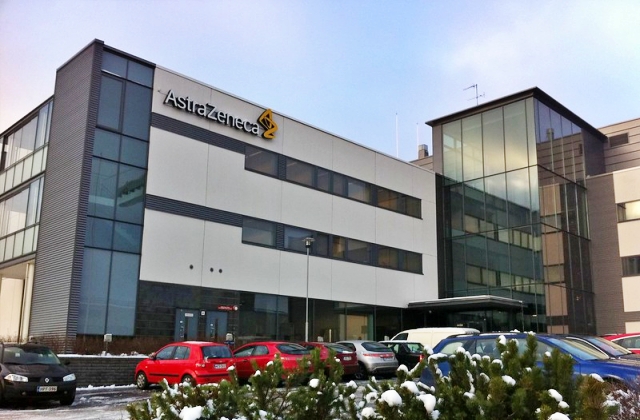
AstraZeneca has discontinued a late-stage clinical trial evaluating volrustomig combined with chemotherapy for patients with metastatic non-small cell lung cancer (NSCLC), dealing another setback to the pharmaceutical giant’s drug development pipeline.
The company said Monday that it stopped the Phase III eVOLVE-Lung02 trial following a recommendation from an independent data monitoring committee. The committee concluded that the volrustomig combination was unlikely to achieve the study’s primary endpoints of improving progression-free survival (PFS) or overall survival (OS).
The trial focused on patients whose tumors lacked PD-L1 expression and compared the experimental treatment with the study’s control arm.
Despite the disappointing efficacy findings, AstraZeneca reported no unexpected safety issues. The safety profile observed with volrustomig and chemotherapy remained consistent with the known profiles of the individual treatments, with no new safety concerns identified.
Susan Galbraith, AstraZeneca’s executive vice president of oncology hematology research and development, acknowledged the disappointing outcome while emphasizing that the company intends to apply lessons from the study to its ongoing efforts to develop new lung cancer treatments.
eVOLVE-Lung02 was a large global study involving 895 patients across 25 countries, highlighting the scale of AstraZeneca’s investment in testing volrustomig as a potential treatment for metastatic NSCLC.
The trial discontinuation adds to investor scrutiny of the AstraZeneca drug pipeline following several clinical setbacks this year. The company is pursuing an ambitious target of reaching $80 billion in annual revenue, making the performance of its late-stage pipeline increasingly important to its long-term growth strategy.
Another notable setback involved Wainua, developed with Ionis Pharmaceuticals. Earlier this year, results from the Phase III CARDIO-TTRansform study showed that the treatment failed to outperform placebo in reducing cardiovascular deaths among patients with a progressive and potentially fatal heart condition.
The latest failure underscores the uncertainty surrounding late-stage pharmaceutical development, even as AstraZeneca continues investing heavily in oncology, cardiovascular disease and rare-disease therapies.







