


 Oil Prices Rebound as Iran Denies U.S. Talks Amid Gulf War Supply Fears
  Federal Reserve Balance Sheet Reduction: Brookings Research Outlines Possible Path Forward
  Oil Prices Climb as Iran Reviews U.S. Peace Proposal Amid Middle East Tensions
  Suspicious Oil Market Trades Precede Trump's Iran Peace Post by 15 Minutes
  Bank of Japan Eyes April Rate Hike Despite Inflation Dip, ING Says
  Asian Currencies Stay Muted as Dollar Holds Firm Amid Iran Uncertainty
  Bank of Japan Officials Signal Continued Interest Rate Hikes Amid Inflation Concerns
  Gold Prices Climb as Middle East Ceasefire Talks Stir Market Optimism
  Australia's Inflation Eases in February but Core Pressures Persist
  Middle East War Rattles Global Markets as Oil Tops $100 and Dollar Surges
  Japan Eyes Oil Futures Intervention to Stabilize Yen Amid Middle East Crisis
  Asian Markets Rally as Oil Prices Tumble and Middle East Peace Hopes Emerge
  Australia-EU Free Trade Deal Signed After Years of Negotiations
  Asian Currencies Weaken as Dollar Rebounds Amid Middle East Uncertainty and Japan Inflation Data
  U.S. Oil Prices Slide as Middle East Ceasefire Talks Spark Market Optimism
  Iran-Israel Missile Strikes Continue Amid Mixed Signals on U.S.-Iran Diplomacy


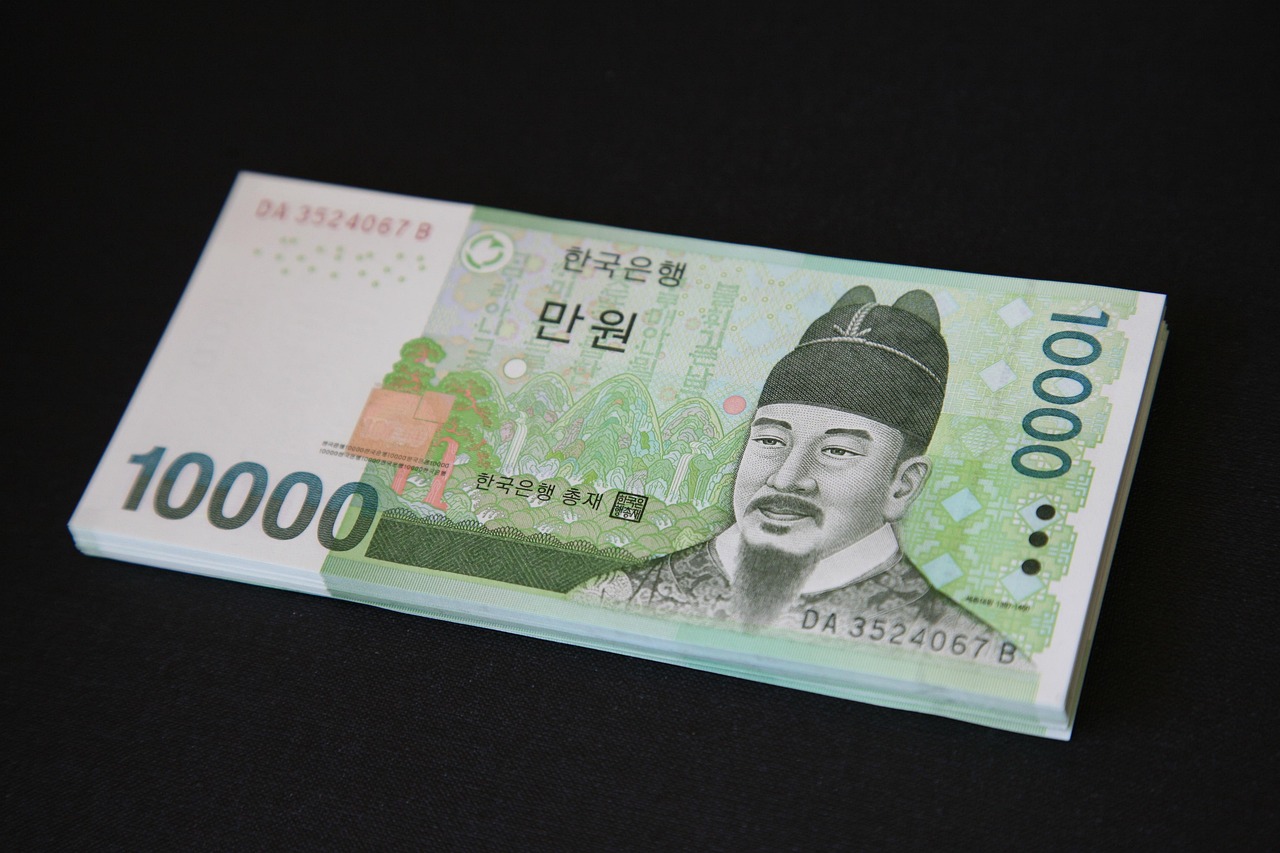
Asian currencies declined on Tuesday, while the U.S. dollar edged higher after President Donald Trump imposed tariffs on metal imports, fueling concerns over a potential trade war.
Trade-sensitive currencies, including the South Korean won, Australian dollar, and Singapore dollar, were among the biggest losers. The Japanese yen saw some safe-haven demand, limiting its losses, while the Chinese yuan remained stable.
The dollar index rose 0.1%, extending gains from the previous session. Trump signed executive orders imposing 25% tariffs on steel and aluminum imports, with potential for additional tariffs. Traders speculated that these measures could drive inflation, influencing future interest rate decisions.
The USDKRW and USDSGD pairs increased by 0.2% and 0.1%, respectively, while the AUDUSD fell 0.2%, despite positive consumer sentiment data in Australia. The yen held near a two-month low as bets on Bank of Japan rate hikes increased. The Chinese yuan remained steady, backed by Beijing’s intervention following recent U.S. tariffs.
India’s rupee stabilized after nearing record lows, supported by the Reserve Bank of India. However, concerns grew after Trump’s top economic adviser, Kevin Hassett, criticized India’s high import tariffs. Reports suggested Prime Minister Narendra Modi is preparing tariff cuts on key sectors, including electronics and medical equipment, ahead of discussions with Trump.
Market participants now await key U.S. inflation data, expected to influence the Federal Reserve’s rate outlook. Asian currencies remain under pressure amid growing trade tensions and shifting monetary policies.













