


 China's Trade Surplus Surges Past Forecasts in Early 2026
  U.S.-Israel War on Iran Sends Crude Oil Prices Surging Amid Strait of Hormuz Tensions
  Diesel Price Surge Threatens Global Economy Amid Middle East Conflict
  IEA Plans Record Emergency Oil Release Amid Iran Strait of Hormuz Crisis
  Trump Administration Launches Trade Investigations Against 16 Countries Over Industrial Overcapacity
  German Exports Drop 2.3% in January, Exceeding Forecast Decline
  Oil Prices Surge Toward $100/Barrel After Tanker Attacks in Iraqi Waters
  U.S. Markets Slip Amid Iran Conflict Uncertainty as Oil Prices Retreat
  Dollar Stabilizes Amid Iran War Uncertainty as Oil Prices Remain Elevated
  Asian Currencies Face Pressure as U.S.-Iran Conflict Weighs on Markets
  Dollar Strengthens Amid Oil Price Surge and Inflation Fears
  Venezuela Names Paula Henao as New Oil Minister Amid U.S.-Led Industry Overhaul
  Gold Prices Climb Above $5,200 as Iran War Uncertainty and Inflation Data Loom
  Dollar Steadies as Traders Await Clarity on U.S.-Israel-Iran War
  Asian Markets Retreat as Oil Prices Surge Toward $100 Amid Middle East Tensions
  UK Housing Market Slows Amid Geopolitical Tensions and Mortgage Rate Fears
  IEA Releases Record 400 Million Barrels of Oil Amid U.S.-Iran War


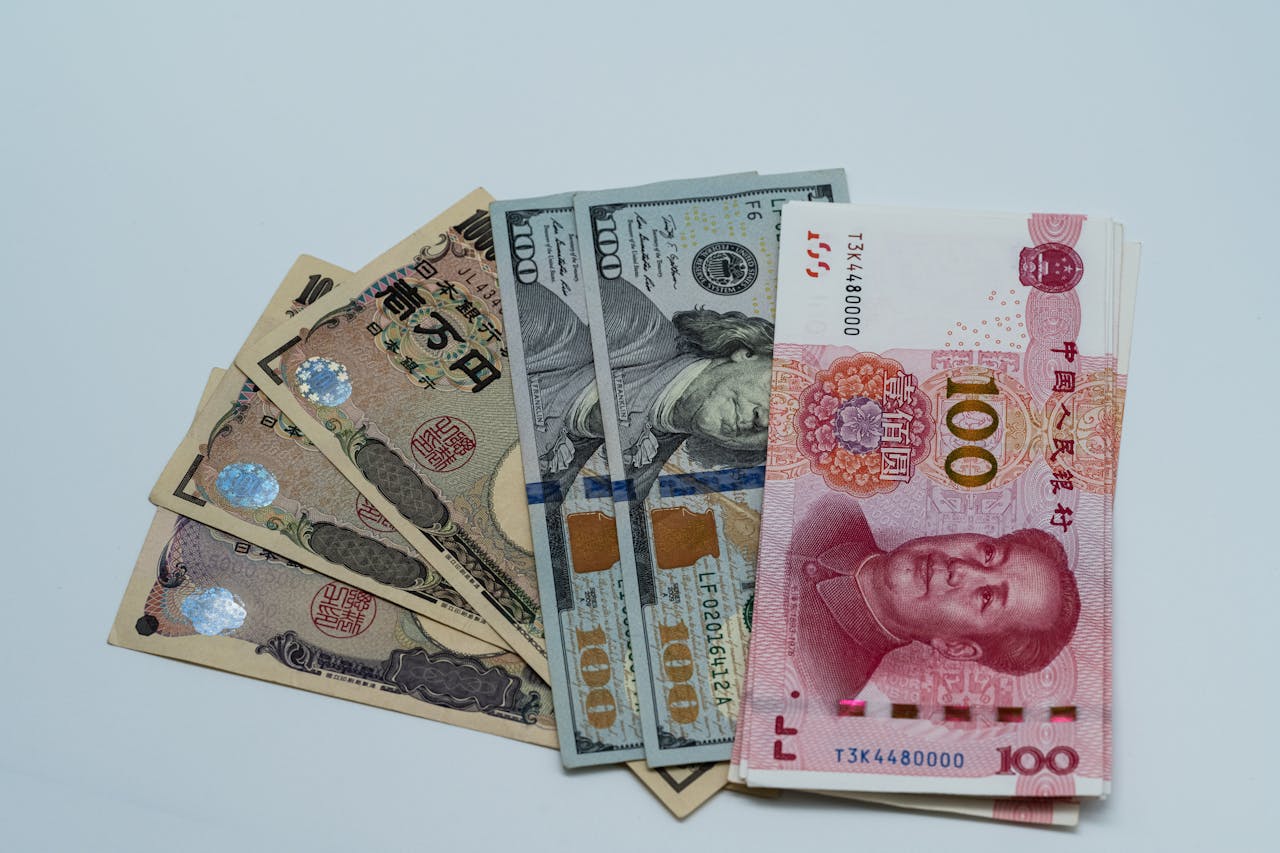
Most Asian currencies traded within tight ranges on Friday, while the U.S. dollar remained firm near a six-week high, supported by strong U.S. economic data and fading expectations for imminent Federal Reserve rate cuts. The U.S. Dollar Index was largely flat during Asian trading hours after climbing to its highest level since early December overnight, reflecting continued demand for the greenback. U.S. Dollar Index futures were also little changed around 03:35 GMT, signaling cautious positioning ahead of further economic cues.
Recent U.S. macroeconomic releases reinforced the dollar’s strength. Initial jobless claims unexpectedly fell to 198,000 last week, well below market forecasts of 215,000, underscoring resilience in the U.S. labor market. This data has pushed traders to reassess their outlook for Federal Reserve policy, with expectations for the first interest rate cut now shifting toward mid-year rather than the early months of 2026. Comments from several Federal Reserve officials added to this sentiment, as policymakers emphasized a willingness to keep rates steady, citing stabilizing employment conditions and persistent inflation pressures.
In Asia, the Japanese yen showed mild stability after hovering near 18-month lows. The USD/JPY pair slipped around 0.3%, supported by verbal intervention from Japanese government officials seeking to curb excessive yen weakness. Analysts noted that the Bank of Japan is increasingly mindful of the yen’s impact on inflation. However, speculation over a potential snap election under Prime Minister Sanae Takaichi has kept the currency under pressure, as markets fear looser fiscal policy could weigh further on the yen.
Elsewhere, the South Korean won weakened slightly, with the USD/KRW pair rising about 0.2% and heading for a weekly gain of over 1%, despite brief support from comments by U.S. Treasury Secretary Scott Bessent earlier in the week. The Chinese yuan remained largely steady, with both the onshore USD/CNY and offshore USD/CNH pairs showing minimal movement. The Indian rupee and Singapore dollar also traded flat, reflecting broader regional caution.
Meanwhile, the Australian dollar edged modestly higher, with AUD/USD up around 0.1%, as investors balanced global risk sentiment against domestic factors. Overall, Asian currency markets remained subdued, tracking U.S. dollar strength and evolving expectations around Federal Reserve interest rate policy.













