


 Oil Prices Slip as Iran Sanctions Relief and Hormuz Shipping Recovery Ease Supply Concerns
  Bessent Says U.S. Must Strengthen Supply Chains and Economic Security
  Dollar Holds Firm as U.S.-Iran Talks Ease Tensions, GBP/USD Slips Amid UK Political Uncertainty
  South Korea’s KOSPI Rebounds as Samsung and SK Hynix Lead Tech Stock Recovery
  China Keeps Loan Prime Rates Unchanged for 13th Straight Month as Policymakers Prioritize Credit Demand Recovery
  Asian Stocks Slide as AI Rally Pauses, South Korean Chipmakers Lead Regional Decline
  Gold Falls Below $4,000 as Strong Dollar and Fed Rate Hike Expectations Weigh on Prices
  U.S.-Iran Diplomacy Helps Drive Gasoline Prices Down 15% From May Highs
  South Korea Stocks Tumble as AI-Fueled Rally Faces Profit-Taking Pressure
  Wall Street Ends Mixed as Tech Stocks Struggle Ahead of Micron Earnings
  Japan Manufacturing Growth Accelerates in June as Orders Surge Despite Iran War Cost Pressures
  Gold Prices Mixed as Stronger Dollar Offsets Safe-Haven Demand Amid U.S.-Iran Peace Talks
  New Zealand Fast-Tracks Gold Mining as Industry Revival Gains Momentum
  Wall Street Ends Mixed as Alphabet Slumps, Middle East Developments and Fed Outlook Weigh on Markets
  Japan Keeps Markets Guessing as Yen Nears 40-Year Low, Raising Intervention Risks
  Singapore Inflation Stays Muted in May as Core CPI Misses Forecasts Ahead of MAS Review


Asian currencies traded in a narrow range on Tuesday as renewed U.S.-China trade tensions kept markets on edge. The dollar remained steady ahead of Federal Reserve Chair Jerome Powell’s upcoming address, while regional currencies struggled to recover from steep losses in the previous session.
Market sentiment soured after U.S. President Donald Trump threatened to impose 100% tariffs on Chinese imports, prompting a strong response from Beijing. China’s Ministry of Commerce warned that it would “fight to the end” in any trade conflict with the United States. Despite diplomatic efforts to ease concerns, traders remained cautious amid fears of escalating trade hostilities between the two largest economies.
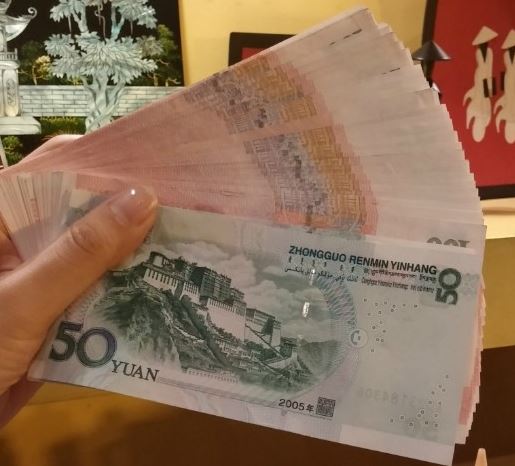
The Chinese yuan weakened slightly, with the USD/CNY pair rising 0.1%, reflecting investor anxiety. Trade data released Monday showed that China’s exports remained resilient despite 50% tariffs, as exporters diverted shipments to other Asian and European markets.
Elsewhere, the Japanese yen slipped slightly against the dollar (USD/JPY), weighed down by expectations of increased fiscal spending under incoming Prime Minister Sane Takaichi. However, her leadership faced uncertainty after a key coalition partner withdrew support. The South Korean won (USD/KRW) was largely unchanged, while the Australian dollar (AUD/USD) fell 0.3%. The Indian rupee (USD/INR) remained above 88, pressured by weaker consumer inflation data that fueled speculation of further rate cuts by the Reserve Bank of India.
Meanwhile, the U.S. dollar index eased 0.1% as traders awaited Powell’s remarks at the National Association for Business Economics meeting. The ongoing U.S. government shutdown has delayed key economic data, deepening uncertainty ahead of the Fed’s late-October meeting, where another 25 basis-point rate cut is expected.
The Singapore dollar (USD/SGD) held steady after stronger-than-expected third-quarter GDP growth. The Monetary Authority of Singapore maintained its policy stance, citing stable growth and limited fallout from trade tariffs, though economic momentum cooled compared to the previous quarter.







