


 Yen Falls to 40-Year Low as Markets Watch Japan Intervention and U.S. Jobs Report
  RBA Minutes Signal Australia Central Bank Remains Ready to Raise Interest Rates if Inflation Persists
  Japan Targets 1%+ Real Economic Growth With ¥370 Trillion Investment Plan
  Central Banks Eye Gold, Reduce Dollar Exposure as AI Adoption Accelerates: OMFIF Survey
  Gold Price Falls as Fed Rate Hike Fears and U.S.-Iran Tensions Weigh on Bullion
  Trump Suspends Some Morocco Fertilizer Tariffs to Ease U.S. Supply Shortage
  Trump Questions Housing Bill as He Prioritizes SAVE America Act
  Asian Currencies Stay Range-Bound as Investors Eye China Data, RBNZ Outlook and U.S.-Iran Ceasefire
  Economic pessimism has set in – but there are reasons for Australians to be hopeful
  Global Financial Firms Shift Asia Expansion Focus to South Korea as China, India Face Caution
  Trump Threatens 100% Tariffs on Countries Imposing Digital Services Taxes on U.S. Tech Firms
  Oil Prices Rise as US-Iran Tensions Threaten Strait of Hormuz Oil Shipments
  China Sets 1.25% Overnight Reverse Repo Rate Below Market Expectations
  Oil Prices Slip as U.S.-Iran Peace Talks and Strait of Hormuz Risks Keep Markets on Edge
  Gold Prices Drop as Fed Rate Outlook and Iran Tensions Weigh on Market
  World Bank Approves $1.1 Billion Emergency Funding for Bangladesh Amid Food and Energy Price Pressures
  Argentina Economy Shrinks 1.5% in April, Recovery Under Milei Loses Momentum


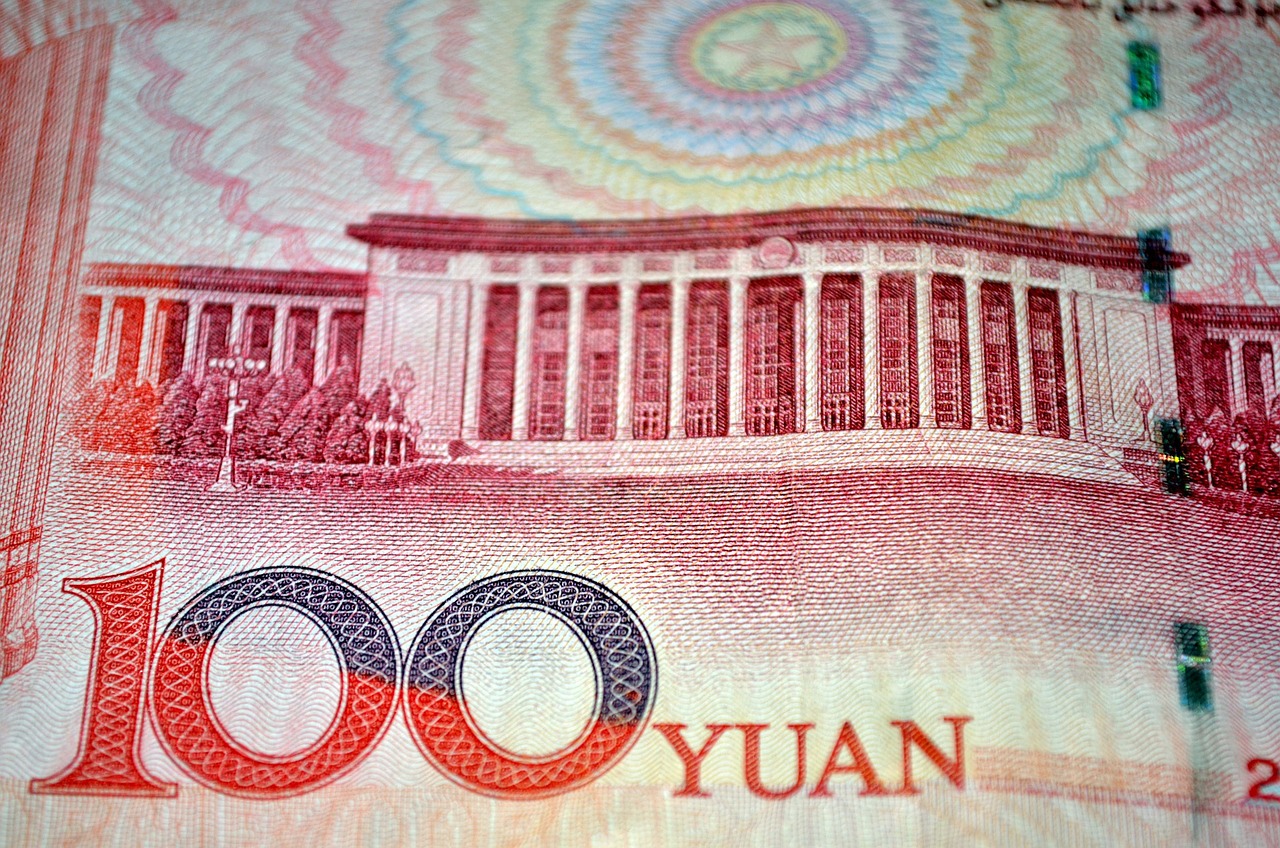
Asian currencies mostly strengthened on Wednesday as easing geopolitical tensions in the Middle East boosted investor confidence and weakened the U.S. dollar. Market sentiment improved after U.S. President Donald Trump announced a temporary pause in operations related to securing shipping routes through the Strait of Hormuz, reducing fears of a broader regional conflict.
The U.S. dollar index slipped 0.2%, while U.S. Dollar Index futures also moved lower during Asian trading hours. Investors shifted toward riskier assets as concerns surrounding disruptions in global oil supply began to fade.
Trump stated that the United States would temporarily halt “Project Freedom,” an operation aimed at restoring commercial shipping in the Strait of Hormuz, while negotiations with Tehran continue. Although the blockade remains in place, the announcement signaled possible diplomatic progress between Washington and Iran.
The easing tensions triggered a decline in oil prices after sharp gains earlier in the week. Lower crude prices are seen as positive for many Asian economies that rely heavily on energy imports, helping support regional currencies and easing inflation concerns.
China’s yuan gained ground, with the USD/CNY pair falling 0.2%, while the Japanese yen remained relatively stable against the dollar. The Indian rupee also strengthened as USD/INR declined 0.2%, and the Singapore dollar posted modest gains.
The South Korean won emerged as the top-performing Asian currency, with USD/KRW dropping 1.2% after inflation data exceeded expectations. South Korea’s consumer price index rose 2.6% year-over-year in April, accelerating from 2.2% in March and marking the fastest pace since mid-2024. Rising fuel and service costs contributed to the stronger inflation reading, increasing expectations that the Bank of Korea could maintain a hawkish monetary policy stance.
Meanwhile, China’s services sector showed resilience. The Caixin services PMI climbed to 52.6 in April, surpassing forecasts and indicating stronger business activity driven by stable domestic demand.
The Australian dollar also advanced sharply, with AUD/USD climbing 0.7% after the Reserve Bank of Australia delivered an interest rate hike, reinforcing expectations for tighter monetary policy ahead.







