


 WTO Reform Talks Begin in Cameroon Amid Global Trade Tensions
  U.S. Stock Futures Steady as Iran Reviews U.S. Ceasefire Proposal
  Bank of Japan Faces Rate Uncertainty Amid Middle East Oil Shock
  U.S. Praises Kurdistan's Role in Oil Markets Amid Iran War Fallout
  France's 2025 Budget Deficit Shrinks More Than Expected, Easing Fiscal Pressure
  Asian Currencies Hold Steady as Dollar Stays Firm Amid Middle East Uncertainty
  Time to buy local: war fuel price shocks reveal the folly of a long food supply chain
  Middle East War Rattles Global Markets as Oil Tops $100 and Dollar Surges
  Iran Allows Oil Tankers Through Strait of Hormuz Amid U.S. Negotiations
  Trump Tariffs Show Minimal Economic Impact but Boost Federal Revenue, Study Finds
  Japan Eyes Oil Futures Intervention to Stabilize Yen Amid Middle East Crisis
  Asian Stocks Rebound as Trump Delays Iran Strike Deadline
  Gold Prices Climb as Middle East Ceasefire Talks Stir Market Optimism
  Oil Prices Slip as Middle East Tensions Ease, Heading for Weekly Loss
  Gold is meant to be a ‘safe haven’ in uncertain times. Why is it crashing amid a war?


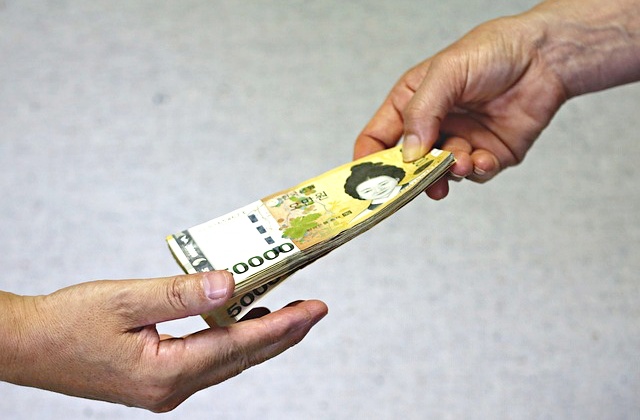
Asian currencies traded largely range-bound on Monday, with the Chinese yuan flat after the People’s Bank of China (PBoC) kept its benchmark lending rates steady, while the Japanese yen strengthened slightly following election results in Japan.
China’s central bank left the loan prime rate unchanged at historic lows, in line with market expectations. The decision came after second-quarter GDP figures slightly beat forecasts, signaling economic resilience amid improving U.S.-China trade sentiment. The onshore USD/CNY and offshore USD/CNH remained largely steady in response.
Meanwhile, the Japanese yen edged higher as political uncertainty weighed on market sentiment. Prime Minister Shigeru Ishiba’s Liberal Democratic Party and its coalition partner Komeito lost their majority in the upper house, securing only 47 of the 50 seats needed. Despite the setback, Ishiba confirmed he would remain in office, calming investor concerns over policy disruptions. The USD/JPY pair dipped 0.2%, supported by renewed speculation of a near-term Bank of Japan rate hike.
Analysts from ING noted that political uncertainty in Japan could impact upcoming tariff negotiations with the U.S. and broader fiscal policy. They also highlighted that the BoJ is likely to wait for clarity on U.S. trade policies before adjusting interest rates.
The U.S. Dollar Index remained largely unchanged during Asian trading hours.
Elsewhere in Asia, most currencies showed muted moves. The South Korean won weakened slightly, with USD/KRW rising 0.1%, while the Singapore dollar was flat. The Australian dollar fell 0.1% against the greenback. The Indian rupee declined, with USD/INR up 0.2%, and the Thai baht saw a 0.3% drop.
Investors remain cautious ahead of a potential U.S. tariff decision by August 1, keeping regional currency movements subdued.







