


 Gold Prices Climb as Middle East Ceasefire Talks Stir Market Optimism
  Wall Street Slides as Iran War Uncertainty, Oil Surge, and AI Fears Rattle Markets
  Asian Stocks Gain Amid Iran Conflict Uncertainty
  UK Consumer Confidence Weakens Amid Middle East Conflict and Rising Living Costs
  Oil Prices Rebound as Iran Denies U.S. Talks Amid Gulf War Supply Fears
  Bank of Japan Officials Signal Continued Interest Rate Hikes Amid Inflation Concerns
  Bank of Japan Unveils New Inflation Gauge to Support Case for Future Rate Hikes
  U.S. Futures Slide as Iran Denies Nuclear Talks with Washington
  Federal Reserve Balance Sheet Reduction: Brookings Research Outlines Possible Path Forward
  U.S. Stock Futures Steady as Iran Reviews U.S. Ceasefire Proposal
  Suspicious Oil Market Trades Precede Trump's Iran Peace Post by 15 Minutes
  Iran-Israel Missile Strikes Continue Amid Mixed Signals on U.S.-Iran Diplomacy
  Trump Tariffs Show Minimal Economic Impact but Boost Federal Revenue, Study Finds
  Japan's Private Sector Growth Slows in March Amid Rising Costs and Middle East Uncertainty
  Currency Markets Show Caution Amid U.S.-Iran Negotiations
  Japan Eyes Oil Futures Intervention to Stabilize Yen Amid Middle East Crisis


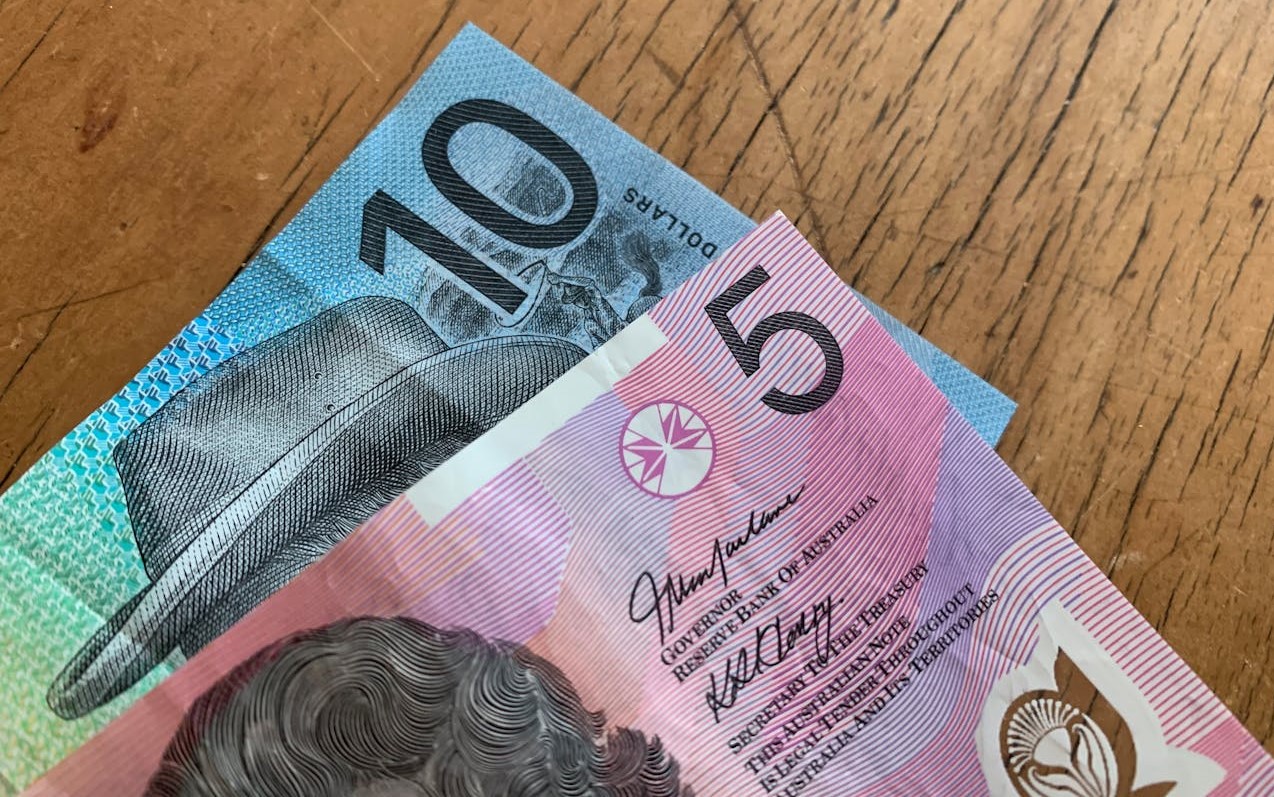
Asian currencies traded narrowly on Tuesday, while the U.S. dollar saw modest gains amid renewed trade tensions and global economic uncertainty. The dollar index rose 0.2% in Asian trading, recovering from prior losses, as risk appetite weakened due to geopolitical and economic concerns.
The Australian dollar led regional losses, with the AUD/USD pair falling 0.5%. Dovish signals from the Reserve Bank of Australia and weaker-than-expected Q1 data—including a sharp current account deficit—pressured the currency ahead of Wednesday’s GDP release. The RBA had already cut interest rates by 25 basis points in May, citing headwinds from global trade issues.
The Chinese yuan remained flat, with the USD/CNY holding around 7.1978. Offshore yuan edged down 0.1%, reversing Monday’s gains. Recent PMI data showed a contraction in China’s manufacturing sector, highlighting the impact of escalating U.S. tariffs. While a temporary tariff truce had been agreed in May, recent developments show talks stalling. U.S. President Donald Trump accused China of breaching the deal, while Beijing rejected the claim and criticized continued U.S. curbs on its chip industry.
Other Asian currencies also showed limited movement. The Japanese yen softened slightly, with the USD/JPY pair up 0.3%. The Singapore dollar and South Korean won each saw 0.2% increases against the dollar, with Korean markets partially closed for a presidential election. Meanwhile, the Indian rupee held steady ahead of a key Reserve Bank of India rate decision, where another 25 basis point cut is expected.
Overall, Asian forex markets remained cautious as traders weighed geopolitical risks, central bank actions, and the potential fallout from deteriorating U.S.-China relations. Currency volatility may rise if economic data continues to disappoint or trade tensions escalate further.













