


 Dollar Stabilizes Amid Iran War Uncertainty as Oil Prices Remain Elevated
  RBA Set for Back-to-Back Rate Hikes, Westpac Forecasts
  ANZ and Westpac Forecast Two RBA Rate Hikes in March and May 2026
  U.S. Futures Slide as Oil Prices Surge on Middle East Shipping Attacks
  Iran-U.S. Oil Tensions Escalate as Revolutionary Guards Threaten Strait of Hormuz Blockade
  U.S.-Israel War on Iran Sends Crude Oil Prices Surging Amid Strait of Hormuz Tensions
  German Exports Drop 2.3% in January, Exceeding Forecast Decline
  Asian Currencies Face Pressure as U.S.-Iran Conflict Weighs on Markets
  Bank of Japan Expected to Hold Rates at 0.75% Before June Hike Amid Middle East War Uncertainty
  UK Housing Market Slows Amid Geopolitical Tensions and Mortgage Rate Fears
  Asian Stock Markets Rise as Oil Prices Pull Back; U.S. CPI in Focus
  Dollar Strengthens Amid Oil Price Surge and Inflation Fears
  China's Trade Surplus Surges Past Forecasts in Early 2026
  Asia FX Steady as Iran War Signals and U.S. Inflation Data Weigh on Sentiment
  U.S. Markets Slip Amid Iran Conflict Uncertainty as Oil Prices Retreat
  Chinese AI Stocks Surge as Tencent, MiniMax, and Zhipu Launch Agentic AI Programs
  Gold Prices Climb Above $5,200 as Iran War Uncertainty and Inflation Data Loom


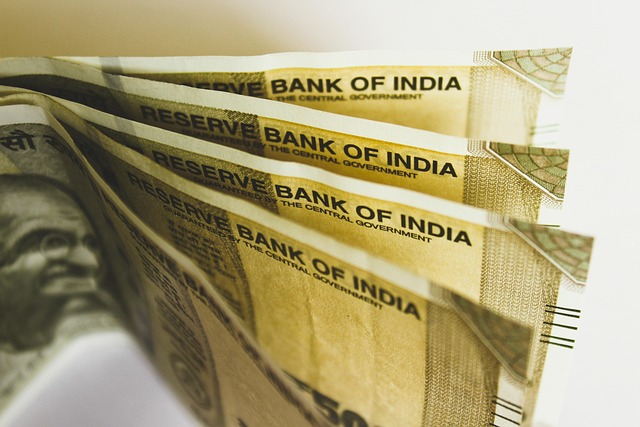
Most Asian currencies traded in a narrow range on Friday as investors digested the U.S. Federal Reserve’s latest interest rate decision and assessed the outlook for monetary policy next year. While regional foreign exchange markets remained relatively stable, the Indian rupee weakened further, falling to fresh record lows against the U.S. dollar amid sustained capital outflows and trade-related uncertainties.
The U.S. Dollar Index was largely unchanged during the session but stayed on course for its third consecutive weekly decline. Market participants continued to evaluate how many interest rate cuts the Federal Reserve may deliver in 2026 following its recent policy move. On Wednesday, the Fed lowered its benchmark interest rate by 25 basis points, bringing borrowing costs to their lowest level in nearly three years. However, the decision revealed growing divisions within the central bank, with three policymakers dissenting over the pace of future easing.
Updated economic projections signaled a more cautious stance, with Fed officials now expecting only one rate cut in 2026, fewer than what markets had previously priced in. Chair Jerome Powell emphasized that future policy decisions would remain data-dependent, pointing to ongoing uncertainty around inflation trends and labor market conditions.
Fresh U.S. labor market data added to the mixed outlook. Initial jobless claims surged by 44,000 to 236,000, marking the largest weekly increase in more than four years. Although part of the jump was attributed to seasonal adjustment issues, the data raised questions about the resilience of the U.S. labor market as economic momentum shows signs of cooling.
In India, the rupee came under renewed pressure, slipping past the 90-per-dollar mark once again. The USD/INR pair climbed to around 90.55, surpassing its previous record low. Persistent foreign portfolio investment outflows, strong dollar demand from domestic corporates, and uncertainty over a potential U.S.-India trade agreement weighed heavily on the currency. Despite reported intervention by the Reserve Bank of India to smooth volatility, investor sentiment remained cautious.
Elsewhere in Asia, currency movements were modest. The Japanese yen edged slightly weaker, the Singapore dollar and Chinese yuan were largely unchanged, while the South Korean won saw mild gains. The Australian dollar slipped marginally, reflecting broader caution across global forex markets.













