


 Dollar Steadies as Traders Await Clarity on U.S.-Israel-Iran War
  Asia FX Steady as Iran War Signals and U.S. Inflation Data Weigh on Sentiment
  Diesel Price Surge Threatens Global Economy Amid Middle East Conflict
  Asian Currencies Face Pressure as U.S.-Iran Conflict Weighs on Markets
  U.S. Futures Slide as Oil Prices Surge on Middle East Shipping Attacks
  Iran-Israel War Sparks Global Oil Crisis as Tankers Burn in Gulf Waters
  Bank of Japan Expected to Hold Rates at 0.75% Before June Hike Amid Middle East War Uncertainty
  Venezuela Names Paula Henao as New Oil Minister Amid U.S.-Led Industry Overhaul
  UK Housing Market Slows Amid Geopolitical Tensions and Mortgage Rate Fears
  Dollar Strengthens Amid Oil Price Surge and Inflation Fears
  Iran-U.S. Oil Tensions Escalate as Revolutionary Guards Threaten Strait of Hormuz Blockade
  ANZ and Westpac Forecast Two RBA Rate Hikes in March and May 2026
  Trump Administration Launches Trade Investigations Against 16 Countries Over Industrial Overcapacity
  China's Trade Surplus Surges Past Forecasts in Early 2026
  Gold Prices Climb Above $5,200 as Iran War Uncertainty and Inflation Data Loom
  Dollar Stabilizes Amid Iran War Uncertainty as Oil Prices Remain Elevated
  German Exports Drop 2.3% in January, Exceeding Forecast Decline


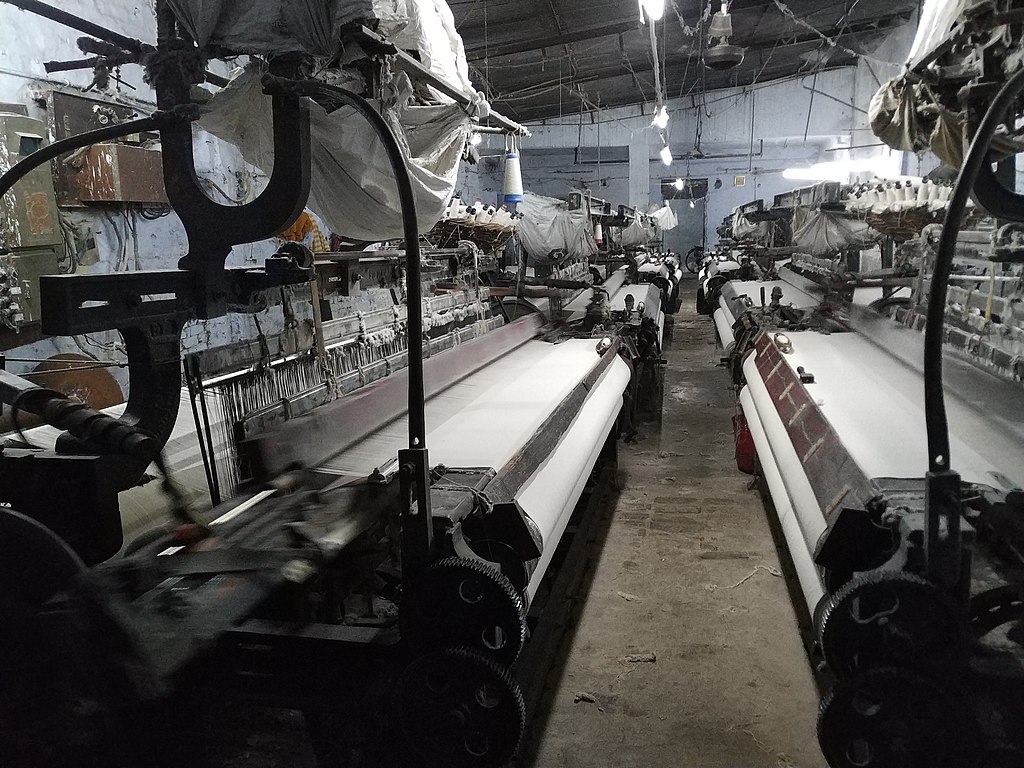
Asia’s major manufacturing economies ended 2025 on a stronger note, as factory activity rebounded across several key markets, supported by rising export orders, renewed global demand, and new product launches. Purchasing Managers’ Index (PMI) data released by S&P Global showed a notable return to growth in important technology-exporting economies, signaling cautious optimism for the year ahead.
According to the latest PMI figures, manufacturing activity in South Korea and Taiwan moved back into expansion territory in December after months of contraction. Taiwan’s PMI climbed to 50.9 from 48.8 in November, marking its first reading above the critical 50-point threshold in ten months. South Korea’s PMI also improved to 50.1 from 49.4, its first expansionary result since September. A PMI reading above 50 indicates growth, while levels below that signal contraction.
The recovery has been largely driven by stronger export demand, particularly for semiconductors, as both economies play a central role in the global technology supply chain. The booming artificial intelligence market has significantly boosted chip demand, benefiting manufacturers in both Taiwan and South Korea. Survey data highlighted rising production levels, increased new business, and improving confidence among manufacturers heading into 2026.
S&P Global analysts noted that firms in Taiwan have begun rebuilding inventories and expressed stronger optimism about future output, suggesting expectations of a sustained recovery. In South Korea, manufacturers reported the sharpest rise in new orders since late 2024, driven by improved external demand and successful new product launches. This renewed confidence encouraged companies to expand hiring and increase purchasing activity.
Across Southeast Asia, factory activity generally remained in growth territory, although Indonesia and Vietnam saw slightly slower expansion. Meanwhile, China’s earlier PMI data also showed an unexpected turnaround in manufacturing activity, supported by a pre-holiday surge in orders.
In related economic news, Singapore reported that its economy grew by 4.8% in 2025, up from 4.4% in 2024, reinforcing signs of regional resilience. Market participants now await Japan’s PMI release for further insight into Asia’s manufacturing outlook as global demand continues to stabilize.













