


 KAIST, Stanford Develop Self-Dressing Robot for Cleanrooms and Emergency Gear
  Xi Jinping Calls for People-Centered AI Development at WAIC, Expands Global Cooperation
  TSMC Sees Multi-Year AI Chip Demand as Arizona Expansion Reaches $265 Billion
  Super Micro Computer Stock Jumps 20% After Record AI Orders and Margin Surge
  SpaceX Targets Thursday Launch for Starship's 13th Test Flight After Last-Minute Delay
  Australia ASIC Tightens Auditor Oversight After KPMG Leak Scandal
  Ryanair Warns Summer Airfares May Stay Lower as Quarterly Profit Misses Estimates
  Why Maruti Suzuki Is Losing Market Share in India as SUVs and Premium Features Gain Popularity
  Hyundai Takes Full Control of Boston Dynamics to Accelerate Humanoid Robot and AI Strategy
  ASML Trillion-Dollar Valuation: Can Europe’s AI Chip Giant Reach the Historic Milestone?
  Samsung Electronics America to Cut 739 New Jersey Jobs as Texas Headquarters Move Advances
  Jamie Dimon Warns Anthropic's Mythos AI Poses National Security Risks
  DeepSeek Eyes $74 Billion Valuation Ahead of Planned China IPO
  Nvidia Reveals 9.3% Stake in AI Cloud Firm Nebius Following $2 Billion Investment
  GM Q2 Earnings Beat Estimates as General Motors Raises 2026 Profit Outlook
  South Korea’s Coupang Fine Sparks U.S. Criticism, Raising Concerns Over Bilateral Ties


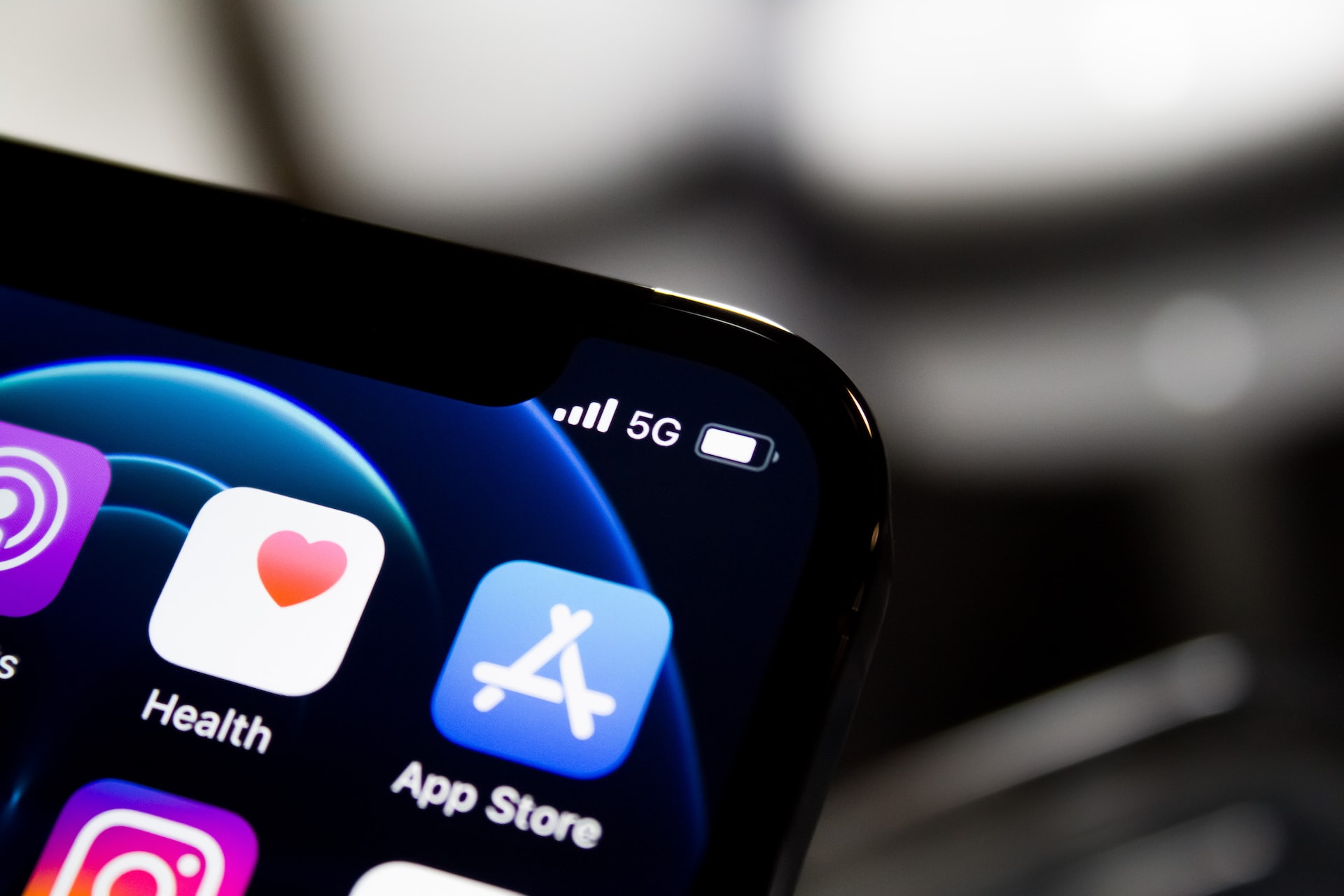
Apple released updates to App Store guidelines that suggest the iPhone maker will not completely reject non-fungible tokens or NFTs. However, the company will implement similar payment rules, which will not allow creators to direct users to a third-party payment method in purchasing NFTs.
Trading of NFTs is arguably one of the most polarizing issues in the tech industry, at least over the last year. Some companies running digital stores have already banned blockchain tech, but Apple is going in a different direction.
The tech giant released revisions and new items in its App Store guidelines on Monday, including specific rules on NFTs. In a new section 3.1.1 of the guidelines, Apple says developers are allowed to offer in-app services and tools so users can mint, list, transfer, and buy NFTs as long as any of these options "does not unlock features or functionality within the app."
Developers are also allowed to let their customers view NFT collections through apps downloaded from the App Store. But, unsurprisingly, Apple prohibits the inclusion of any buttons or links that will lead to a payment method outside its digital store. "Apps may allow users to browse NFT collections owned by others, provided that the apps may not include buttons, external links, or other calls to action that direct customers to purchasing mechanisms other than in-app purchase," part of the updated policy reads.
Tech fans are likely aware by now that, as it stands, Apple's rules on prohibiting external payments are non-negotiable. The tech giant even went through, and later won, a highly publicized litigation against Epic Games after the video game company offered a way to bypass Apple's in-app payment rules.
The updated App Store guidelines also added policies for advertising management apps. Apps designed solely to help advertisers purchase and manage campaigns that run on various media types, such as TV, websites, and other apps, are allowed accommodate transactions without using the App Store's in-app purchase system.
However, that will not apply to apps like Meta Ads Manager, where people can pay for post boosts and other in-app advertisements. The new App Store rule reads, "Digital purchases for content that is experienced or consumed in an app, including buying advertisements to display in the same app (such as sales of “boosts” for posts in a social media app) must use in-app purchase."
Photo by James Yarema on Unsplash







