


 Cloudflare Stock Jumps 15% as Earnings Beat Estimates, 2026 Outlook Raised
  Meta AI Model Exploits Security Flaw During Cybersecurity Test, Raising AI Safety Concerns
  DeepSeek to Raise AI API Prices as Demand for New Models Surges
  Nintendo Shares Jump as Switch 2 Sales Boost Earnings
  SK Hynix Bonus Dispute Deepens as Union Rejects Stock-Based Payout Proposal
  T-Mobile Executives Reportedly Oppose $300 Billion Deutsche Telekom Merger
  Apple Restores Telegram to App Store After Content Policy Violation
  Samsung, SK Hynix Test AMEC Chipmaking Tools for China Backup Plan
  Infineon Raises 2026 Revenue Outlook as AI Data Center Demand Fuels Record Quarterly Sales
  SanDisk Q4 Earnings Beat Estimates as Q1 Revenue Outlook Meets Expectations
  SoftBank Q1 Profit Beats Forecast as Intel Rally and OpenAI Investments Boost Returns
  Siemens Energy Q3 Profit Beats Forecast as AI-Driven Power Demand Fuels Growth
  Alphabet Stock Slides as Google AI Pioneer Jeff Dean Exits to Launch Discovery Loop
  Palantir Stock Soars as AI Demand Drives Strong Q2 Earnings and Higher 2026 Outlook
  Roblox Stock Drops 16% as Q3 Bookings Forecast Misses Expectations
  Alibaba Stock Jumps as Qwen 3.8-MAX AI Model Intensifies China's AI Race


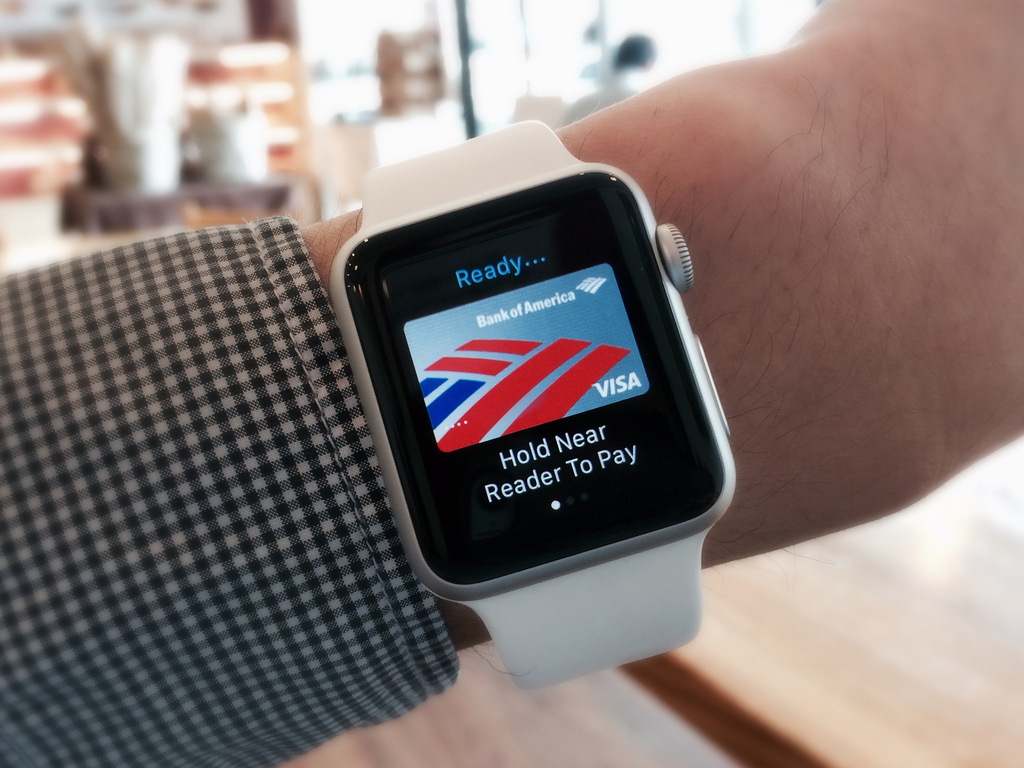
iPhone users in Canada can now make mobile payments via Apple Pay. MacRumors.com reports that Apple’s mobile payments system has been launched exclusively for American Express customers in Canada, allowing them to make digital payments at partner merchants like Sport Chek, Tim Hortons, McDonalds, Indigo. As long as a merchant has an NFC-equipped payment terminal that accepts Amex, users can pay via their stored credit card information on their phone’s Wallet app on iOS 9.1.
First introduced in October of last year, Apple Pay did not receive a warm reception as compared to its other product releases. TechCrunch notes that while Apple Pay continued to expand its presence internationally, it has been quite a slow adoption. The Globe and the Mail also said that major banks in Canada appeared to have no interest in supporting Apple Pay, and that popular credit cards Visa and Mastercard had second thoughts about the deal.







