


 Elliott Investment Management Takes Multibillion-Dollar Stake in Synopsys
  OpenAI's Desktop Superapp: Unifying ChatGPT, Codex, and Browser Tools for Enterprise AI
  Super Micro Computer Shares Plunge After Co-Founder Charged in AI Chip Smuggling Case
  Malaysia Semiconductor Industry Eyes Helium Supply Risks Amid Middle East Conflict
  Elon Musk Confirms SpaceX, xAI, and Tesla Will Continue Large-Scale Nvidia Chip Orders
  Judge Dismisses Sam Altman Sexual Abuse Lawsuit, But Sister Can Refile
  Nanya Technology Shares Surge 10% After $2.5 Billion Private Placement from Sandisk and Cisco
  Reflection AI Eyes $25 Billion Valuation in Massive $2.5 Billion Funding Round
  Alibaba Bets on AI Agents to Unify Its Vast Digital Ecosystem
  AMD CEO Lisa Su Heads to Samsung's South Korea Chip Facility Amid AI Expansion Talks
  Micron Technology Beats Q2 Earnings Estimates, Issues Strong AI-Driven Outlook
  Meta Ties Executive Pay to Aggressive Stock Price Targets in Major Retention Push
  Meta and Google just lost a landmark social media addiction case. A tech law expert explains the fallout
  Amazon's "Transformer" Phone: Can It Succeed Where Fire Phone Failed?
  Golden Dome Missile Defense: Anduril and Palantir Join Forces on Trump's $185B Space Shield
  Nintendo Switch 2 Production Cut as Holiday Sales Miss Targets


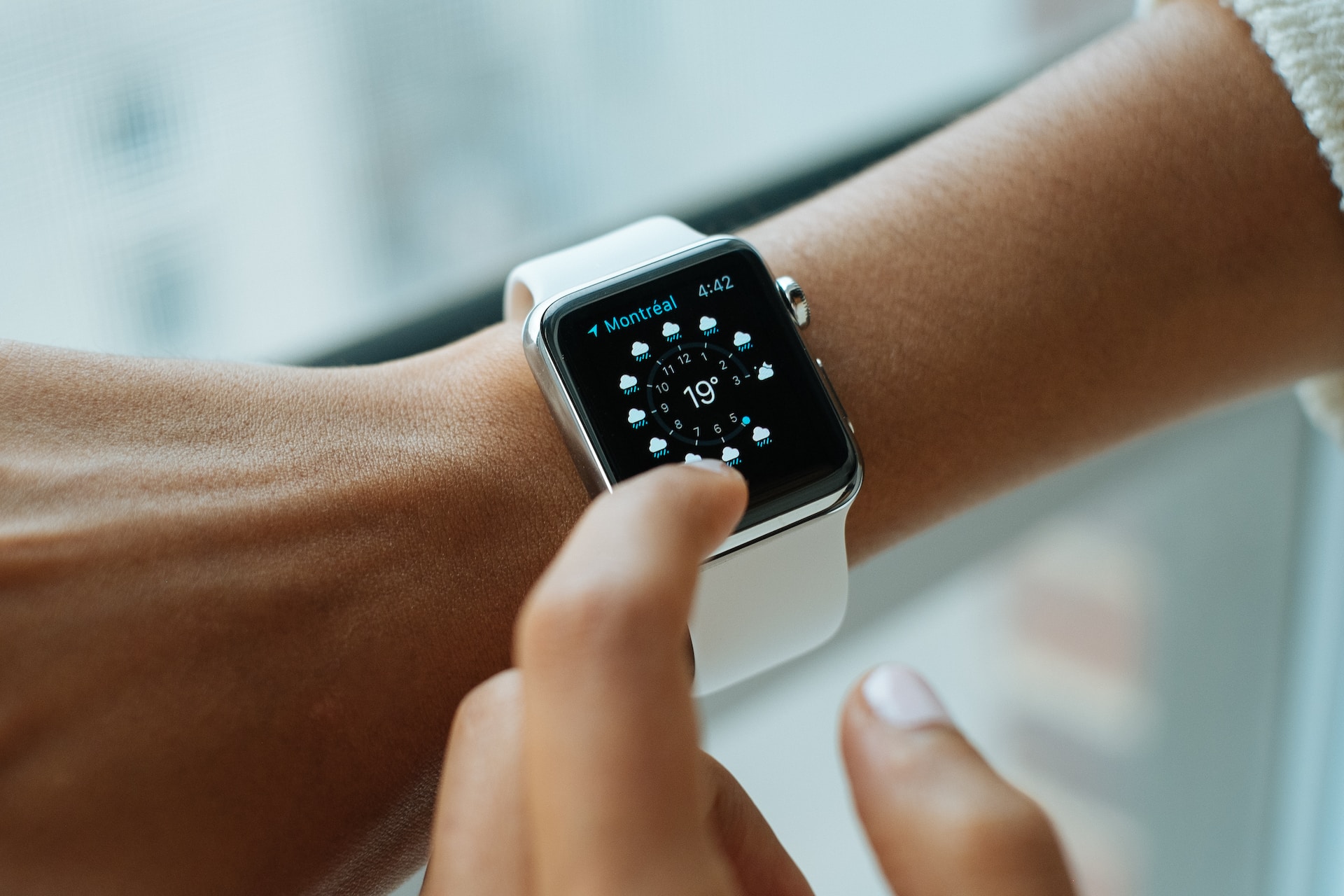
Apple has stated that sales of its two most current Apple Watch models, the Series 9 and Watch Ultra 2, will be halted starting December 21.
Apple To Stop Selling Apple Watch Series 9 and Watch Ultra 2
Apple has announced that it will suspend sales of its two most recent Apple Watch models, the Series 9 and Watch Ultra 2, awaiting an expected ban by the US International Trade Commission, according to WIRED. The federal agency is mulling a ban due to a disagreement over a patent for the technology used in Apple's blood-oxygen sensor in the latest Watch models.
According to 9to5Mac, sales on Apple.com will cease at 3 p.m. Eastern on December 21, and in-store inventory will be unavailable at retail locations beginning on December 24. Because the ITC's restriction only applies to Apple, the watches will continue to be sold in shops such as Amazon and Best Buy for the time being. The proposed prohibition also only applies to watch imports into the United States, thus, both watches will remain available in other nations.
Apple Faces Legal Challenges and Options for Its Watch Series 9 and Ultra 2
The suspension is the result of a long-running disagreement with the medical technology business Masimo. According to Engadget, Masimo will sue Apple in 2021. Apple was accused of infringing on one of the company's patents pertaining to light-based blood-oxygen monitoring. In October, the ITC upheld a judge's judgment that Apple had infringed on the patents. The decision triggered a 60-day presidential review period that ends on December 25. Apple is taking proactive steps to comply.
Apple has various alternatives for reintroducing wearables to the market. The business intends to file an appeal in federal court. It can also settle with Masimo by turning off the blood-oxygen sensing features. More information about the Watch 9 and Ultra 2's future plans should be available when the evaluation session ends on December 25.
Because many smartwatches look similar and have comparable functionality, it is uncommon for a business to successfully stop a competitor's sales by claiming patent infringement. Fitbit tried to prevent the import of Jawbone products in a patent battle in 2016 but dropped the claim after finding that... well, Jawbone doesn't sell that many fitness trackers anyhow. To see this happen to a Goliath corporation like Apple, the producer of the world's best-selling timepieces, is simply remarkable.
The verdict does not apply to the Watch SE since it lacks blood-tracking sensors. In our top Apple Watches guide, Apple's entry-level choice is our top overall pick. The prohibition also does not apply to any series prior to Series 9. Apple will include blood-monitoring capabilities in the Watch Series 6 in 2020; the Series 7 and Series 8 will remain available.
Photo: Luke Chesser/Unsplash







