


 BofA Names ASML Top Semiconductor Equipment Pick on Growth, Valuation
  Pinterest Stock Falls as CFO Julia Brau Donnelly Resigns
  Nvidia Options Price in $280 Billion Earnings Swing
  SpaceX Mobile Network Could Cost Up to $130 Billion, Bernstein Says
  OpenAI Data Center Chief Chris Malone Exits Ahead of Planned 2027 Listing
  U.S. Disrupts China-Linked Hacking Campaign Targeting Government Agencies
  Google Expands Gemini Enterprise With AI Tools for Legal Sector
  PayPal Shares Sink as $50 Billion Takeover Bid Collapses
  MediaTek Shares Jump 10% on Nvidia’s $3.5 Billion Investment
  New Zealand Labour Backs Social Media Ban for Under-16s
  Nvidia Pauses AI Cloud Financing Deals Amid Antitrust Concerns
  OpenAI Nears Astra AI Model Launch With Safety Focus
  U.S. Probes Apex Logistics Over Nvidia AI Chip Shipments to China
  Apple’s Phil Schiller Steps Back as Leadership Shake-Up Accelerates
  Luxshare Shares Rise as First-Half Profit Jumps 18%


 Add as a preferred source on Google
Using modern technology to unlock ancient secrets, an undergraduate student successfully deciphered a word from the Herculaneum Scrolls, a collection of ancient texts buried under volcanic ash from Mount Vesuvius.
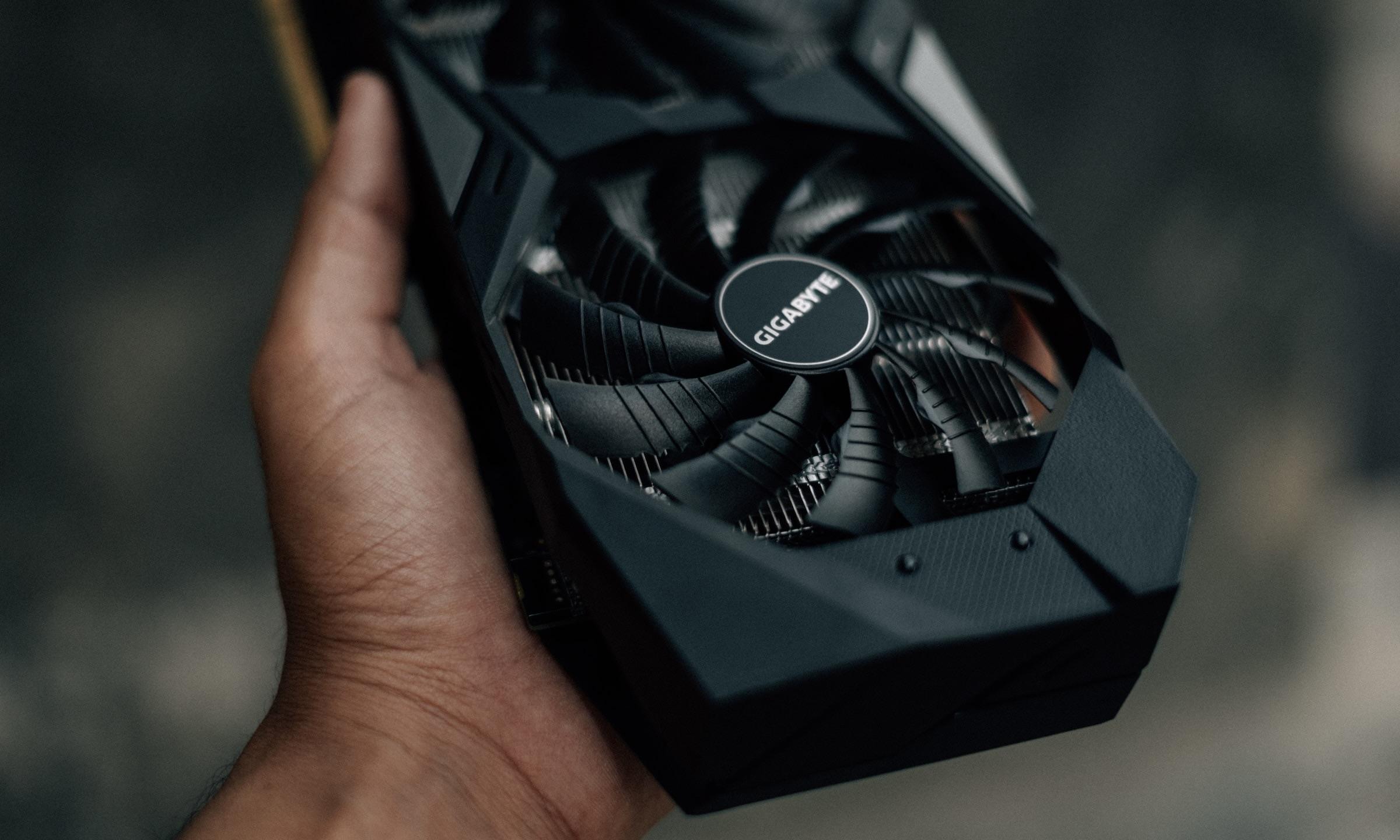
This impressive feat, accomplished with the aid of an Nvidia GeForce GTX 1070 graphics card and artificial intelligence, earned the student a $40,000 prize. The scrolls of Herculaneum, dating back to the Roman Empire, have long challenged experts due to their fragile and charred condition.
Innovative Use of AI and Graphics Card
Luke Farritor, an undergraduate student at the University of Nebraska-Lincoln and an intern at SpaceX, used his Nvidia graphics card to train an AI model. This model was designed to detect "crackle patterns" in the scrolls, which indicate the presence of ancient ink.
Through this innovative approach, Farritor's AI, trained with the GTX 1070, successfully identified the Greek word πορφυρας (porphyras). This word, meaning purple or purple dye, provided significant insight into the scrolls' content and awarded Farritor a substantial prize.
The challenge of reading the Herculaneum scrolls without causing further damage has been a longstanding issue for archaeologists and historians. X-ray technology has been the preferred method, but the carbon-based ink of these scrolls blends with the charred pages, making it hard to decipher the text.
In 2019, Dr. Brent Seales and his team made a significant breakthrough by combining X-rays with a particle accelerator, improving the visibility of the scrolls' ink. This year, these enhanced X-rays were analyzed through a machine-learning model to further clarify the text.
The Vesuvius Challenge and Historical Context
The Vesuvius Challenge, offering prizes for deciphering words from the scrolls, encourages the application of modern technology to solve these ancient puzzles.
Herculaneum, rediscovered in 1738 and then again in 1986, was home to the Villa of the Papyri, where these scrolls were found. The villa, potentially owned by Julius Caesar's father-in-law, housed not only the scrolls but also significant sculptures and frescoes, including a bust of Scipio Africanus.
Nvidia's Role in AI Development
Nvidia, known for its graphics cards, has expanded its focus to include powerful AI tools for both users and developers. Their contributions to technology, exemplified by their role in deciphering the Herculaneum scrolls, demonstrate the company's versatility and impact beyond the gaming industry.
Photo: Sumeet Singh/Unsplash







