


 Gold and Silver Prices Rebound After Volatile Week Triggered by Fed Nomination
  Vietnam’s Trade Surplus With US Jumps as Exports Surge and China Imports Hit Record
  Oil Prices Slip as U.S.-Iran Talks Ease Middle East Tensions
  Global Markets Slide as AI, Crypto, and Precious Metals Face Heightened Volatility
  TrumpRx Website Launches to Offer Discounted Prescription Drugs for Cash-Paying Americans
  Indian Refiners Scale Back Russian Oil Imports as U.S.-India Trade Deal Advances
  Trump Signs Executive Order Threatening 25% Tariffs on Countries Trading With Iran
  Anta Sports Expands Global Footprint With Strategic Puma Stake
  Nvidia CEO Jensen Huang Says AI Investment Boom Is Just Beginning as NVDA Shares Surge
  Global PC Makers Eye Chinese Memory Chip Suppliers Amid Ongoing Supply Crunch
  Singapore Budget 2026 Set for Fiscal Prudence as Growth Remains Resilient
  Prudential Financial Reports Higher Q4 Profit on Strong Underwriting and Investment Gains
  Trump Lifts 25% Tariff on Indian Goods in Strategic U.S.–India Trade and Energy Deal
  Bank of Japan Signals Readiness for Near-Term Rate Hike as Inflation Nears Target
  Sony Q3 Profit Jumps on Gaming and Image Sensors, Full-Year Outlook Raised
  Hims & Hers Halts Compounded Semaglutide Pill After FDA Warning
  American Airlines CEO to Meet Pilots Union Amid Storm Response and Financial Concerns


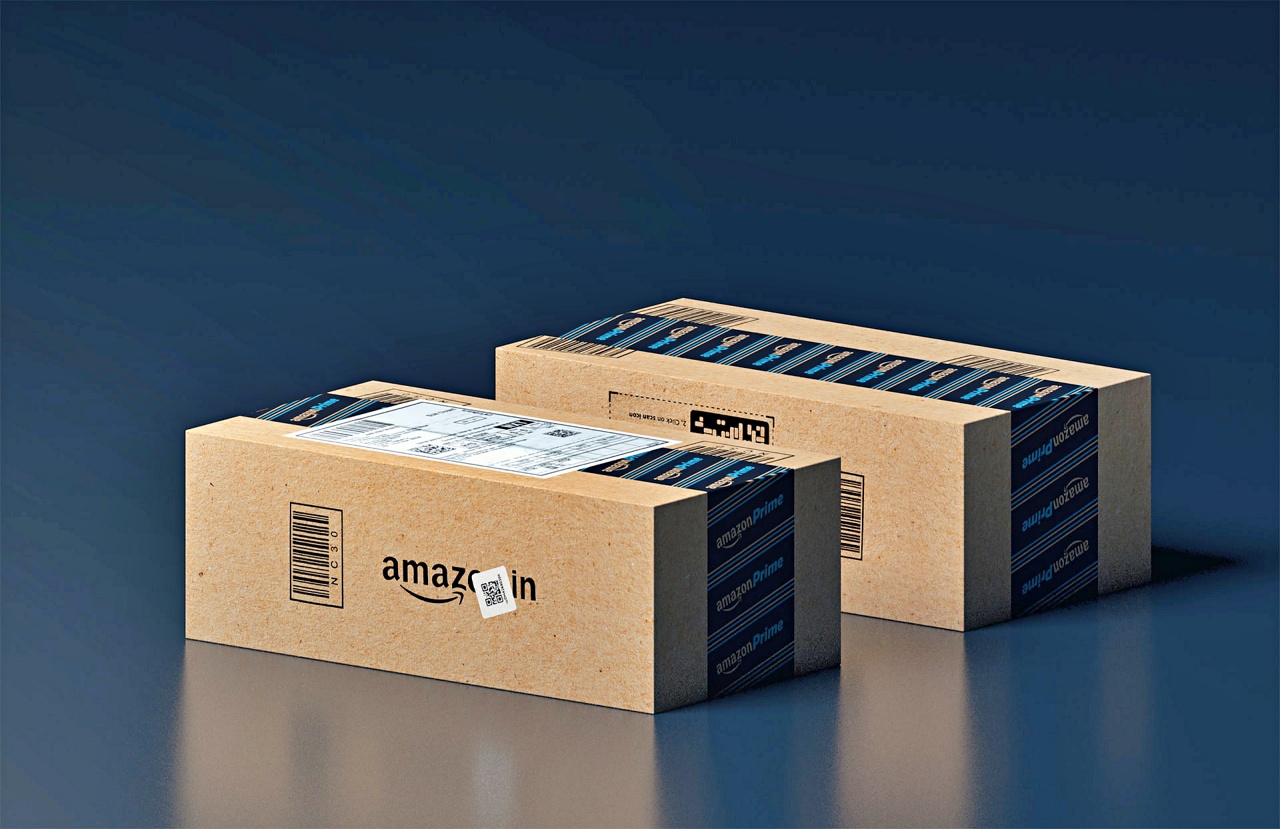
Amazon is having difficulties due to the soaring inflation, thus it is implementing an increase in seller fees to cope. It was reported that the e-commerce giant would be raising fulfillment fees during the holiday season.
The move will pass some of Amazon’s increased costs to the merchants or sellers who rely on its platform to sell their products. According to CNBC, the company stated that third-party sellers that use the “Fulfillment by Amazon” (FBA) service would be charged an extra 35 cents for each item they sold in the United States and Canada.
The fee will be collected starting Oct. 15, and it will run through the entire holiday period or around Jan. 14. Amazon made the announcement by sending out emails to sellers on Tuesday this week. It was explained that sellers that use FBA allow Amazon to handle the processing of product pick-ups, packing, and delivery to buyers.
The additional fee will be paid on top of the current charges that all sellers pay for their use of the FBA service. It should be noted that the costs may vary depending on the size, weight, and category of the items.
With the new fees, Amazon said this is the first time that it has imposed a holiday surcharge and suggested it has no choice but to do so. The company explained this is because the “expenses are reaching new heights”, which is making it more difficult for Amazon to shoulder the costs tied to the peak of the shopping season.
“Our selling partners are incredibly important to us, and this is not a decision we made lightly,” part of the note sent by Amazon to sellers reads.
In any case, the Associated Press News reported that this is actually the second fee increase that Amazon implemented for the merchants this year. Back in April, the firm already added a five percent fuel and inflation surcharge to combat the surging cost of gas and inflation.
With this repeated increase in seller fees, it was said that critics are arguing the hikes are excessive. They said that these exorbitant fees may lock out the sellers from the Amazon marketplace.
“Corporations that have monopoly power tend to raise prices, and that’s what we’re seeing here,” Stacy Mitchell, an Amazon critic and co-director at Local Self-Reliance anti-monopoly group institute, said in a statement. “Amazon’s dominance of the online market means that small businesses have little choice but to pay up.”













