


 RBI Holds Repo Rate at 5.25% as India’s Growth Outlook Strengthens After U.S. Trade Deal
  Novo Nordisk Stock Surges After FDA Approves Wegovy Pill for Weight Loss
  FDA Targets Hims & Hers Over $49 Weight-Loss Pill, Raising Legal and Safety Concerns
  Nvidia, ByteDance, and the U.S.-China AI Chip Standoff Over H200 Exports
  Asian Stocks Slip as Tech Rout Deepens, Japan Steadies Ahead of Election
  Dollar Near Two-Week High as Stock Rout, AI Concerns and Global Events Drive Market Volatility
  Silver Prices Plunge in Asian Trade as Dollar Strength Triggers Fresh Precious Metals Sell-Off
  Ford and Geely Explore Strategic Manufacturing Partnership in Europe
  Novo Nordisk and Eli Lilly Cut Obesity Drug Prices in China as Competition Intensifies
  Tencent Shares Slide After WeChat Restricts YuanBao AI Promotional Links
  Sanofi to Acquire Dynavax in $2.2 Billion Deal to Strengthen Vaccine Portfolio
  CK Hutchison Launches Arbitration After Panama Court Revokes Canal Port Licences
  Eli Lilly and Novo Nordisk Battle for India’s Fast-Growing Obesity Drug Market
  Amazon Stock Rebounds After Earnings as $200B Capex Plan Sparks AI Spending Debate
  Bank of Japan Signals Readiness for Near-Term Rate Hike as Inflation Nears Target
  TrumpRx Website Launches to Offer Discounted Prescription Drugs for Cash-Paying Americans


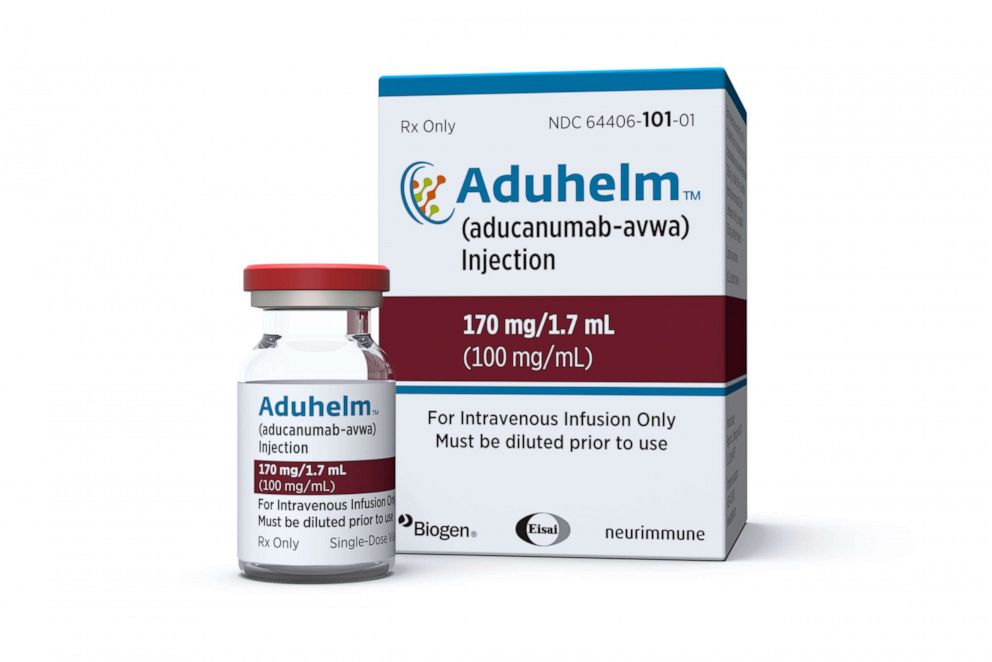
Eisai Co. and Eli Lilly and Co. plan to seek accelerated US approval for experimental Alzheimer's drugs amid the Centers for Medicare & Medicaid Services (CMS)'s decision to severely limit coverage of Biogen’s Alzheimer’s drug Aduhelm for Medicare subscribers.
Through Medicare, Medicaid, the Children's Health Insurance Program, and the state and federal health insurance markets, CMS supervises national health insurance programs for 100 million people.
Like Aduhelm, Eisai's lecanemab and Lilly's donanemab are monoclonal antibodies that remove beta-amyloid, a type of protein fragment that builds up in Alzheimer's patient's brains. The two drugmakers expect the outcomes of planned Phase III trials to finally validate earlier-stage evidence under consideration by the US Food and Drug Administration (FDA).
Roche Holding AG is developing gantenerumab, a fourth plaque-targeting antibody, although it is not pursuing an accelerated FDA evaluation.
The FDA approved Biogen's Aduhelm in June under the agency's accelerated pathway, based on the drug's plaque-clearing ability rather than proof that it slows cognitive decline in Alzheimer's patients. It is the first drug in this class and the first Alzheimer's treatment approved in the United States in 20 years.
Medicare, on the other hand, has opted to limit routine reimbursement to Alzheimer's medications that have been approved through the usual FDA procedure and are based on "a direct assessment of clinical benefit."
Nearly 64 million Americans aged 65 and older are covered by Medicare, thus the coverage decision could affect 85 percent of those who would normally use the drugs for the age-related disease.
Eisai, which is partnered with Biogen, has stated that it plans to submit a rolling FDA application for lecanemab via the accelerated pathway by the middle of the year. The Japanese pharmaceutical company also stated that it hopes to receive data from its 1,800-patient Phase III trial this fall.
If the results are positive, Eisai believes the massive study will be able to meet Medicare's "high level of evidence" criterion for coverage.
The goal of the trial is to show that lecanemab can reduce the rate of cognitive and functional decline by at least 25 percent.
Roche also plans to release the results of gantenerumab's Phase III trial later this year.
In a statement, Lilly stated that it expects to finish its current, rolling application for fast FDA approval of donanemab this year. It won't know the findings of a Phase III trial of the medicine until mid-2023, according to the company.
The Indianapolis-based corporation claims that Medicare coverage restrictions for FDA-approved pharmaceuticals are "unnecessary, restrictive, and inappropriate."













