


 DoorDash Q2 Revenue Jumps 36% as Orders and DashPass Growth Drive Results
  Airbnb Stock Jumps After Q2 Earnings Beat, Strong 2026 Outlook
  Sinopec Boosts Russian ESPO Oil Purchases as Middle East Supply Tightens
  Western Digital Q4 Earnings Beat Estimates as FY2027 Outlook Tops Expectations
  Cloudflare Stock Jumps 15% as Earnings Beat Estimates, 2026 Outlook Raised
  UOB Q2 Net Profit Rises 10% as Wealth Management Growth Boosts Earnings
  Moderna Wins FDA Approval for mFLUSIVA mRNA Flu Vaccine for Adults 50+
  DHL Q2 Profit Jumps 24% as Express Business Drives Growth
  Siemens Energy Q3 Profit Beats Forecast as AI-Driven Power Demand Fuels Growth
  Jetstar to Charge for Overhead Cabin Bags From February
  SK Hynix, Samsung Lead Asian Chip Stock Selloff After Sandisk, Western Digital Outlook
  Qantas Shares Climb as Long-Haul Pilot Deal Eases Strike Concerns
  BHP Port Hedland Strike Set to Proceed as Wage Talks Continue
  Glencore Posts Strong H1 2026 Earnings, Announces ASX Secondary Listing
  Samsung, SK Hynix Test AMEC Chipmaking Tools for China Backup Plan
  DBS Raises 2025 Outlook After Record Q2 Profit Driven by Wealth Management
  SpaceX Targets Starship Flight 14 With First V3 Starlink Satellite Launch


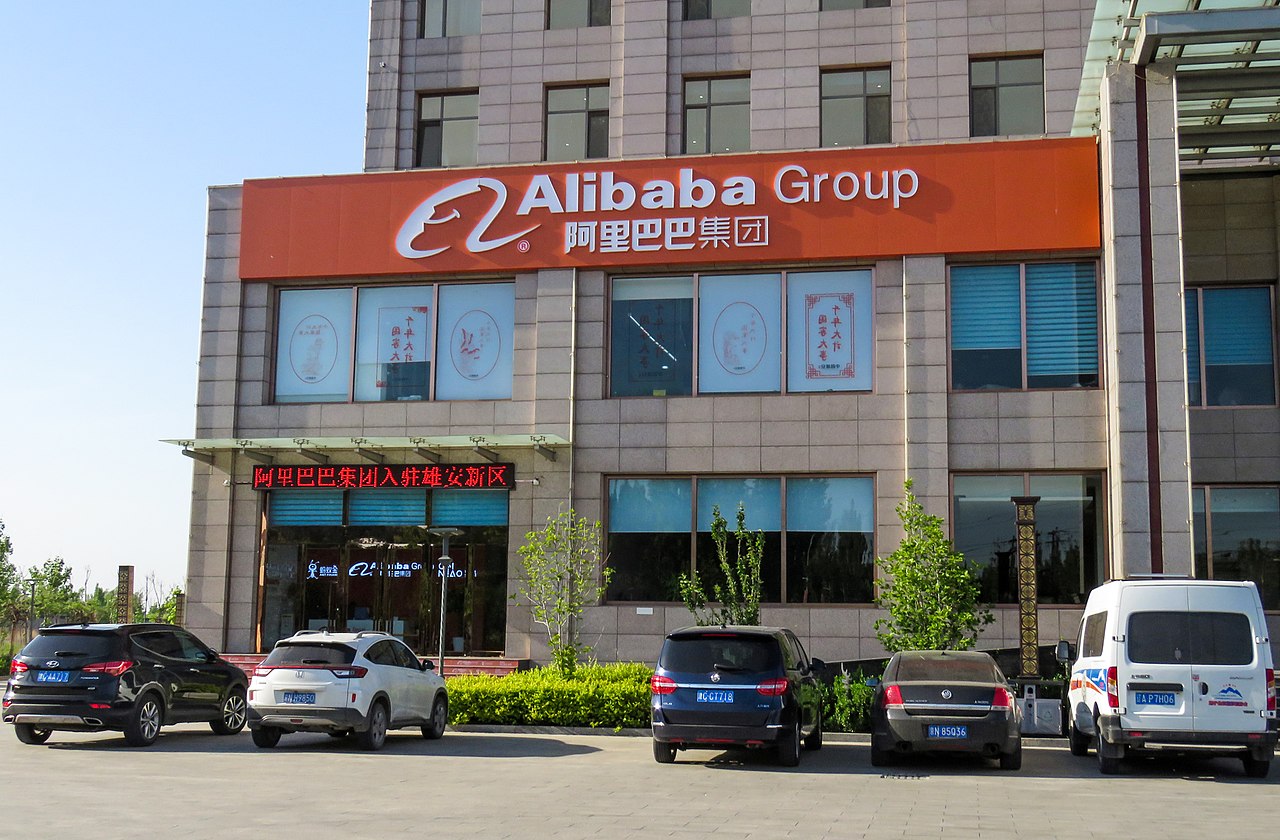
Alibaba Group is reportedly preparing a new revenue-sharing licensing model for major commercial users of its upcoming Qwen3.8-Max artificial intelligence model, signaling a significant change in how the Chinese technology giant monetizes its open-source AI ecosystem.
According to Reuters, citing people familiar with the matter, Alibaba plans to require large companies that commercially deploy Qwen3.8-Max to share a portion of the revenue generated through applications and services powered by the AI model. The exact revenue-sharing percentage and eligibility thresholds have not yet been publicly disclosed.
The proposed licensing strategy represents a shift from Alibaba's existing approach to its Qwen open-source AI models. Previously, developers accessing Qwen models through Alibaba Cloud paid for usage, while businesses could generally download and deploy open-source versions within their own data centers without paying Alibaba licensing fees.
Alibaba's reported strategy follows a similar model introduced by Chinese AI startup Moonshot. Its Kimi K3 model reportedly requires companies generating more than $20 million in annual revenue from software built using the model to negotiate separate commercial agreements. Under certain arrangements, Reuters reported that Moonshot may seek revenue shares of up to 30%.
The development suggests that China's rapidly expanding AI industry is exploring new ways to generate revenue from open-source artificial intelligence. Rather than charging every developer upfront, companies can make their AI models widely available at little or no cost while seeking payments from enterprises that achieve substantial commercial success using the technology.
Such a "freemium" approach could help Chinese AI developers encourage broader adoption of their models while creating a path toward stronger long-term monetization.
Alibaba's Qwen family has become an important part of China's open-source AI landscape as domestic technology companies compete for developers, businesses and enterprise customers. The company is also competing in a global artificial intelligence market dominated by major U.S. players including OpenAI, Anthropic and Google.
Alibaba has not publicly confirmed detailed licensing terms for Qwen3.8-Max. The revenue threshold, percentage charged and other conditions for large commercial users therefore remain unclear.







