


 Iran-Israel Missile Strikes Continue Amid Mixed Signals on U.S.-Iran Diplomacy
  Trump Seeks Quick End to U.S.-Iran Conflict Amid Ongoing Middle East Tensions
  Denmark Election 2025: Social Democrats Suffer Historic Losses Amid Migration and Cost-of-Living Tensions
  U.S.-Iran Peace Talks Gain Momentum Amid Ongoing Conflict
  Pakistan's Diplomatic Rise: Mediating U.S.-Iran Peace Talks
  Kristi Noem Ends Western Hemisphere Tour in Diminished Role After DHS Firing
  G7 Foreign Ministers Gather in France Amid Global Tensions and U.S. Policy Uncertainty
  Jay Bhattacharya to Continue Leading CDC as White House Searches for Permanent Director
  Denmark Election 2026: Frederiksen Eyes Third Term Amid Trump-Greenland Tensions
  FEMA Reinstates $1 Billion Disaster Prevention Grant Program After Court Order
  Russia Strikes Kharkiv and Izmail as Cross-Border Drone War Escalates
  Trump Administration Settles Lawsuit Barring Federal Agencies from Pressuring Social Media Censorship
  Russia-Iran Military Alliance Deepens With Drone Shipments Amid Middle East Tensions
  U.S. Deploys Elite 82nd Airborne Troops to Middle East Amid Iran Tensions
  WTO Reform Talks Begin in Cameroon Amid Global Trade Tensions
  Trump's Overhaul of American History: Museums, Monuments, and Cultural Institutions
  Iran Demands Lebanon Be Part of Any Ceasefire Deal With Israel and the U.S.


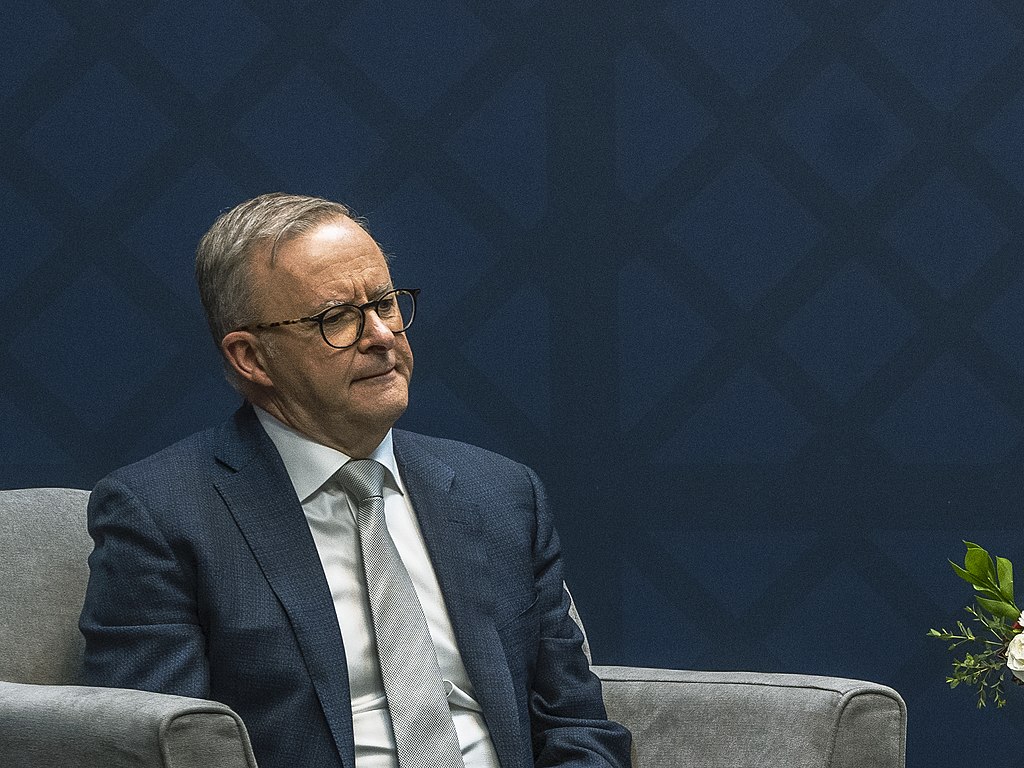
Australian Prime Minister Anthony Albanese emphasized on Wednesday that the country’s foreign investment screening is based on national interest rather than targeting any specific nation. His comments came during a high-profile visit to China, where he balanced trade cooperation with national security concerns.
While visiting the Great Wall, Albanese drew parallels with former Prime Minister Gough Whitlam’s historic 1971 trip that marked the start of diplomatic ties with China. The visit comes amid growing Chinese concerns over investment barriers in Australia. On Tuesday, Chinese Premier Li Qiang urged Australia to address “problems encountered by enterprises in market access and investment reviews,” according to Chinese state media Xinhua.
In recent years, Australia has blocked several Chinese investments, particularly in critical minerals and key infrastructure, citing national security. Executives have noted increased scrutiny in sectors like renewable energy. Australia is a major global supplier of lithium and rare earth minerals—essential components for electric vehicles and defense technologies. With global efforts to reduce dependency on China, Australia is deepening trade ties with allies like the United States to diversify supply chains.
Albanese reaffirmed his commitment to fostering a stable relationship with China, stating that differences should not define the bilateral dynamic. He stressed that engaging constructively with China aligns with Australia’s broader goals of ensuring regional stability and global security.
Referring to Whitlam’s bold recognition of the People’s Republic of China decades ago, Albanese said it remains important to maintain dialogue in a rapidly evolving world. His visit underscores a strategic balancing act: promoting economic cooperation with China while safeguarding Australia's sovereignty and strategic assets.
This trip marks a significant diplomatic moment as Canberra aims to strengthen economic ties without compromising national security, a key theme in Australia-China relations moving forward.













