


 Trump Taps Dennis Rodman as Kim Jong Un Outreach Continues
  Tsai Ing-wen to Visit US for Stanford Security Conference
  Flydubai Co-Pilot Tried to Crash Israel-Bound Jet, Netanyahu Says
  Bosnia Election Puts EU Bid and Foreign Influence in Focus
  Merz Pledges €1 Billion in Ukraine Aid During Kyiv Visit
  Putin Says Western Firms Could Regain Russian Assets
  Brazil Presidential Debate Canceled as Lula, Bolsonaro Skip Event
  South Korea Warns Ukraine Over North Korean POW Dispute
  US Waives $320M Egypt Military Aid Conditions After Iran War Role
  Iran Faces Rising Pressure as U.S. Builds Military Presence
  US Waives Egypt Military Aid Conditions Over Iran War Role
  UK Warned Over Growing Reliance on US Cloud Providers
  Netanyahu Vows Probe Into Foiled Flydubai Crash Attempt
  Marco Rubio to Visit Iceland, Greece and Portugal
  G20 Divided Over US Push to Curb Industrial Overcapacity
  Trump Says Iran War Could End Soon After Midterms
  Ukraine Deploys FP-7 Ballistic Missile in Combat for First Time


 Add as a preferred source on Google
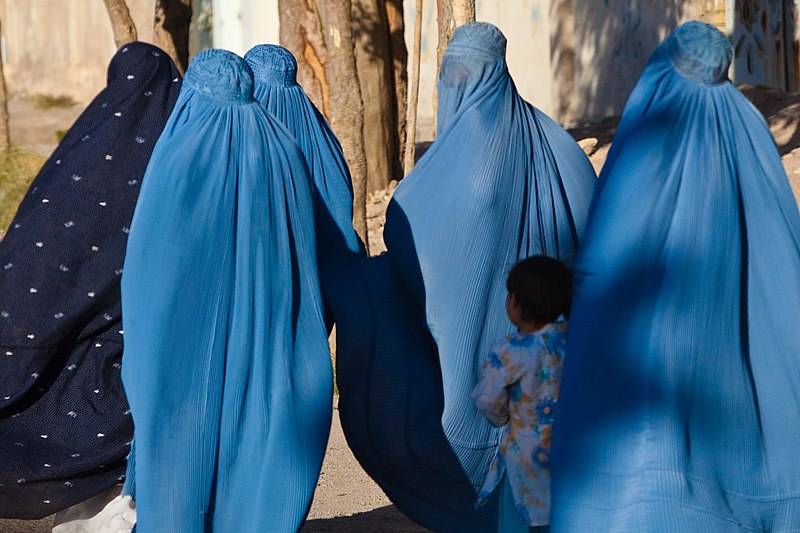
The Taliban has increasingly imposed restrictive policies on Afghan women and girls months since retaking control of Afghanistan. A UN expert who visited the country said the restrictive policies by the insurgent group look to make women and girls “invisible” in Afghan society.
The UN special rapporteur on human rights in Afghanistan Richard Bennett told reporters in Kabul this week that the insurgent group’s policies on women and girls are increasingly showing “a pattern of absolute gender segregation and are aimed at making women invisible in society.”
“The de facto authorities have failed to acknowledge the magnitude and gravity of the abuses being committed, many of them in their name,” said Bennett.
This follows the recent decree by the Taliban’s supreme leader Haibatullah Akhunzada that all Afghan women must be covered, including their faces, preferably with the traditional burqa. The insurgent group has since imposed restrictions on women in accordance with their interpretation of Islam.
Teenage girls were shut out from schools, while women were no longer allowed to travel alone and have been laid off from certain government jobs.
Bennett’s comments also come amidst the Taliban’s intervention at a women’s protest Thursday, demanding that secondary schools for girls must be reopened. Taliban officials did not state a clear reason for the shutdown but said that the schools would be reopened soon.
Foreign governments have said that the Taliban’s record on human rights, especially the rights of women and girls, would be a big factor in determining whether the group’s administration would be officially recognized.
The United Nations National Security Council recently called on the Taliban to reverse its restrictive policies on women and girls.
The council said in a statement that they have expressed concerns about the insurgent group’s policies on women and girls, including limiting access to education, employment, “freedom of travel, and women’s full, equal, and meaningful participation in public life.”
The council said the policies are restricting “the human rights and fundamental freedoms of Afghan women and girls” and demanded that schools for girls be reopened immediately.
The council also expressed concerns about the current situation in the country in terms of humanitarian, social, political, and economic issues, citing the “terrorist” attacks that target civilians.







