


 Currency Markets Show Caution Amid U.S.-Iran Negotiations
  WTO Reform Talks Begin in Cameroon Amid Global Trade Tensions
  Russia-Iran Military Alliance Deepens With Drone Shipments Amid Middle East Tensions
  Japan Eyes Oil Futures Intervention to Stabilize Yen Amid Middle East Crisis
  Iran-Israel Missile Strikes Continue Amid Mixed Signals on U.S.-Iran Diplomacy
  Oil Prices Plunge Over 6% as Middle East Ceasefire Hopes Ease Supply Fears
  Oil Prices Rebound as Iran Denies U.S. Talks, Middle East Tensions Persist
  Asian Stocks Gain Amid Iran Conflict Uncertainty
  Oil Prices Climb as Iran Reviews U.S. Peace Proposal Amid Middle East Tensions
  Denmark Election 2025: Social Democrats Suffer Historic Losses Amid Migration and Cost-of-Living Tensions
  Bank of Japan Eyes April Rate Hike Despite Inflation Dip, ING Says
  Iran Demands Lebanon Be Part of Any Ceasefire Deal With Israel and the U.S.
  Trump Votes by Mail Despite Calling It "Cheating" as Democrat Wins Mar-a-Lago District
  Trump Administration Opens Two New Investigations Into Harvard Over Discrimination and Antisemitism
  Trump Says Iran Offered Major Energy Concession Amid Ongoing Negotiations
  Middle East War Rattles Global Markets as Oil Tops $100 and Dollar Surges
  Bank of Japan Officials Signal Continued Interest Rate Hikes Amid Inflation Concerns


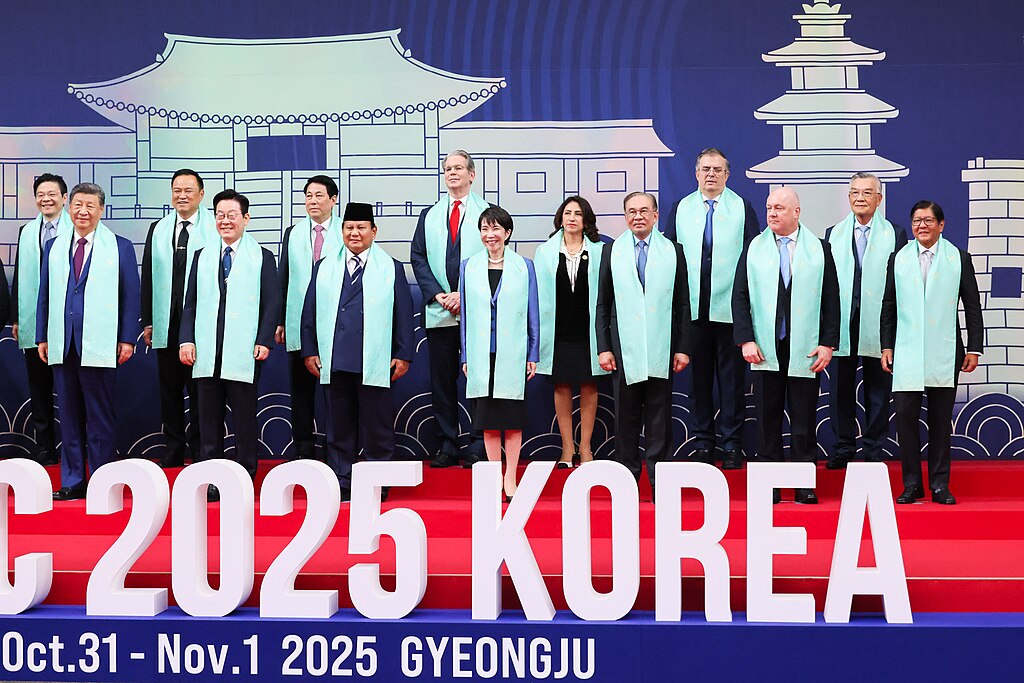
Facing growing fractures in global trade, Asia-Pacific leaders concluded the annual APEC summit in South Korea by adopting a declaration focused on building resilience and shared benefits in trade. The meeting took place amid intensifying geopolitical tensions and shifting economic strategies — from U.S. tariffs to China’s export restrictions — that continue to reshape global commerce.
Ahead of the summit, U.S. President Donald Trump announced trade agreements with several nations, including China and South Korea, but departed before the event began. His administration’s stance was still reflected in the final declaration, which notably omitted mentions of multilateralism and the World Trade Organization. According to Heo Yoon, professor of international trade at Sogang University, the omission signals a recognition that restoring the old free-trade order under the WTO is increasingly difficult, marking a paradigm shift in global trade.
China, stepping into the leadership void left by Trump’s absence, positioned itself as a champion of open trade. President Xi Jinping announced that China will host APEC in Shenzhen in 2026 and proposed creating a World Artificial Intelligence Cooperation Organization. The summit also produced declarations on demographic shifts and AI, though without specific regulations. Analysts noted that Beijing is leveraging the moment to reassure countries like South Korea of its commitment to mutual growth, not dominance.
During his three-day visit, Xi met with South Korean President Lee Jae Myung, who seeks to balance ties between Washington and Beijing while protecting South Korea’s export-driven economy. The two leaders discussed regional stability, including North Korea’s nuclear ambitions, which Pyongyang dismissed as an unrealistic “pipe dream.” Meanwhile, Trump and Xi agreed to lower U.S. tariffs in exchange for China’s crackdown on fentanyl trade and renewed agricultural cooperation.













