


 Samsung Union Dispute Escalates Over Semiconductor Bonus Vote
  Morgan Stanley Names Top AI Security and Data Center Stocks for 2026
  Meta AI Push Could Add $26 Billion in Revenue by 2027, Wolfe Research Says
  Blue Origin New Glenn Rocket Explodes During Launch Pad Test, Delaying Space Ambitions
  MongoDB Q1 FY2027 Earnings Beat Expectations, Raises Full-Year Outlook
  Autodesk Beats Q1 Estimates, Acquires MaintainX for $3.6 Billion
  SK Hynix Joins $1 Trillion Club as AI Chip Demand Fuels Stock Surge
  SoftBank to Invest €75 Billion in France AI Data Center Expansion by 2031
  EU Antitrust Probe Could Lead to Massive Google Fine Under DMA Rules
  SpaceX Starship V3 Test Flight Boosts IPO Momentum Ahead of Historic Market Debut
  HP Q2 2026 Earnings Beat Expectations Despite Memory Chip Pressure
  Marvell Stock Rises After Record Q1 FY2027 Earnings Fueled by AI Demand
  Synopsys Q2 FY2026 Earnings Beat Driven by AI and Semiconductor Demand
  SpaceX IPO Hype Raises Questions as Many Major Stock Debuts Underperform Market
  Samsung to Invest $1.5 Billion in Vietnam Semiconductor Testing Plant by 2027
  Salesforce Q1 FY2027 Earnings Beat Expectations Despite Soft Q2 Revenue Outlook
  Samsung Workers Approve Wage Deal, Avoiding Major Strike and Boosting Chip Supply Confidence


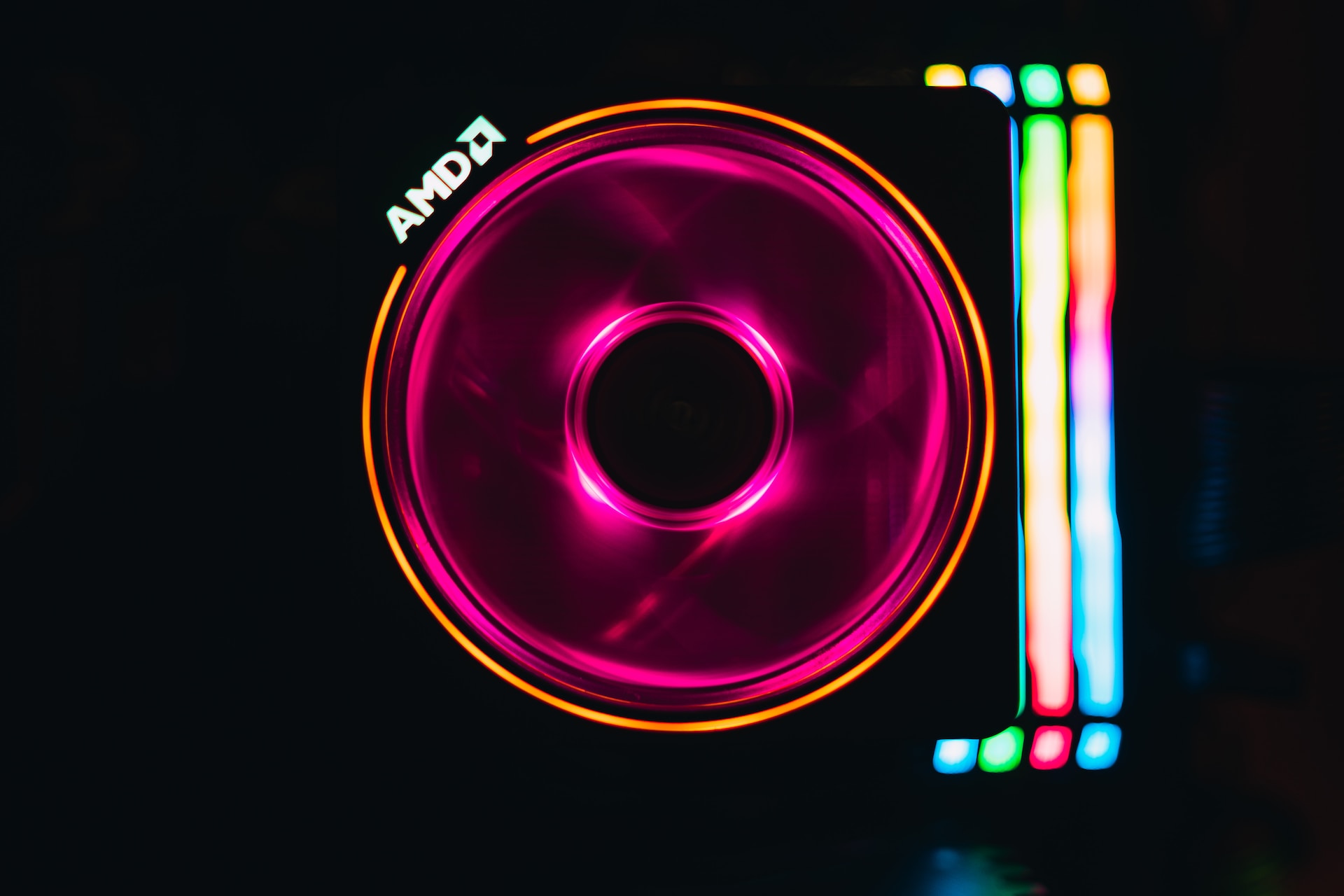
AMD has begun selling a product that it thinks could challenge Nvidia's domination of the artificial intelligence processor industry, which it estimates will be worth $400 billion by 2027.
AMD Introduces A New AI Processor Rival To Nvidia’s
AMD's MI300X chip is "the most advanced AI accelerator in the industry," said CEO Lisa Su on Wednesday at a presentation in San Jose, California, claiming it outperforms Nvidia's current offering.
Financial Times reported AMD had predicted that the market for AI chips will reach $150 billion by 2027. However, "it's really clear that the demand is just growing much, much faster,” Su went on to say.
Nvidia's H100 processor has dominated the market, with demand outstripping supply as businesses such as Amazon, Meta, Microsoft, and Google employ it to develop generative AI tools. It has been a boom for Nvidia, whose quarterly revenues in the most recent quarter increased year on year.
AMD anticipates the MI300 processors to be its fastest product to reach $1 billion in sales, which it intends to do around mid-2024. The MI300A, a variation of the MI300X, will be designed primarily for supercomputing.
Analysts were skeptical of AMD's chances of catching up to Nvidia in the current generation of AI chips when it first introduced its new chip in June. Nvidia has previously announced plans to launch a new H200 processor next year, which it promises will be a "game changer."
AMD's Su invited Microsoft's chief technology officer Kevin Scott and Meta AI's senior director of engineering Ajit Mathews to the stage to discuss how the MI300 was being integrated into their AI workloads.
OpenAI, the generative AI start-up whose ChatGPT product attracted widespread interest in the technology, plans to include AMD's new chips in the newest edition of its Triton AI software.
“OpenAI is working with and in support of an open ecosystem. We plan to support AMD’s GPUs, including MI300” in the latest release of Triton,” OpenAI engineer Philippe Tillet said in a statement.
Meta, Microsoft To Purchase AMD's New AI Chip As Nvidia Alternative
At an AMD event, per CNBC, Meta, OpenAI, and Microsoft stated they will use AMD's newest AI chip, the Instinct MI300X, at an investor event on Wednesday, the clearest indication yet that technology companies are looking for alternatives to the expensive Nvidia graphics processors that have been essential for creating and deploying artificial intelligence programs like OpenAI's ChatGPT.
If AMD's next high-end CPU is good enough for technology businesses and cloud service providers constructing and serving AI models when it ships early next year, it might reduce development costs and put competitive pressure on Nvidia's rising AI chip sales growth.
According to AMD, the MI300X is built on a new architecture, which typically results in significant performance benefits. Its biggest distinguishing feature is 192GB of HBM3, a cutting-edge, high-performance type of memory that transfers data faster and can accommodate larger AI models.
Su directly compared the MI300X and its technologies to Nvidia's main AI GPU, the H100. “What this performance does is it just directly translates into a better user experience. When you ask a model something, you’d like it to come back faster, especially as responses get more complicated,” she said.
AMD's biggest question is whether companies relying on Nvidia will devote the time and money required to add another GPU supplier. "It takes work to adopt AMD," Su explained.
AMD told investors and partners on Wednesday that it had updated its ROCm software package to compete with Nvidia's industry-standard CUDA software, solving a fundamental issue that had been one of the primary reasons AI developers now chose Nvidia.
Price will also be an essential consideration. On Wednesday, AMD did not divulge pricing for the MI300X, but Nvidia's may cost around $40,000 for one chip, and Su told reporters that AMD's chip would have to be less expensive to purchase and operate than Nvidia's in order for users to buy it.







