


 New Zealand Moves to Ban Social Media for Children Under 16
  Luxshare Shares Rise as First-Half Profit Jumps 18%
  Nvidia Reportedly Eyes $13 Billion Hugging Face Acquisition
  U.S. Disrupts China-Linked Hacking Campaign Targeting Government Agencies
  OpenAI Data Center Chief Chris Malone Exits Ahead of Planned 2027 Listing
  SoftBank Plans Record $6.3 Billion Bond Sale to Fund OpenAI Investments
  Salesforce Shares Surge as AI Demand Powers Q2 Earnings Beat
  Nvidia Options Price in $280 Billion Earnings Swing
  Unitree Shares Plunge 45% After Blockbuster IPO, Raising China Tech Bubble Fears
  Nvidia Pauses AI Cloud Financing Deals Amid Antitrust Concerns
  SoftBank Eyes $20 Billion Bond Sale to Refinance OpenAI Loan
  HP Stock Drops 9% Despite Q3 Earnings Beat and Raised 2026 Outlook
  Countries Tighten Social Media Bans for Children
  Google Expands Gemini Enterprise With AI Tools for Legal Sector
  U.S. Probes Apex Logistics Over Nvidia AI Chip Shipments to China


 Add as a preferred source on Google
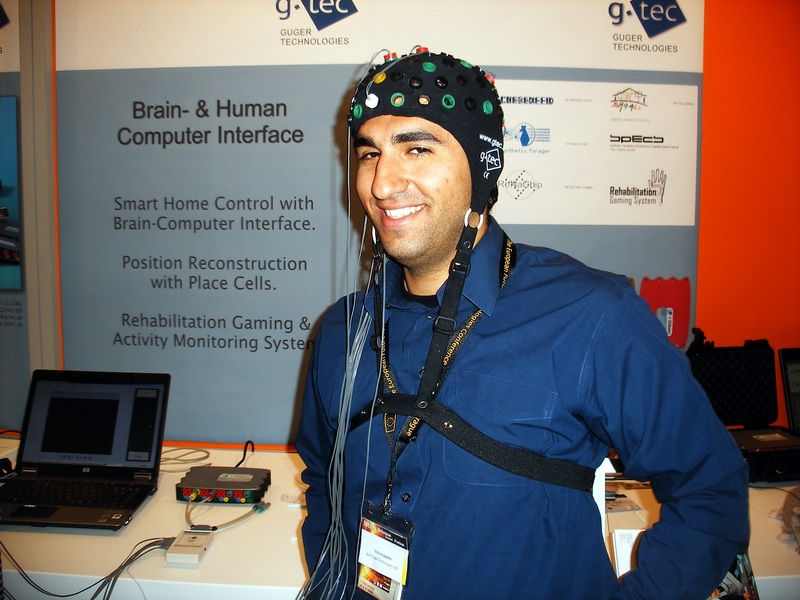
The debate regarding the dangers posed by artificial intelligence in the tech industry has been going on for some time now. One of the possible solutions to prevent humans becoming obsolete by intelligence machines is machine augmentation or cybernetics. However, it seems even that solution has been checked before it could be implemented, with AIs potentially hijacking augmented brains.
One of the biggest proponents of augmenting the human brain through the use of a brain-computer interface (BCI) is Tesla CEO Elon Musk. That is what his startup called Neuralink is trying to accomplish. However, a group called Morningside Group, which is comprised of 27 experts in the field of neuroscience, machine intelligence, and others are warning that this could be a problem.
A BCI basically works by hacking the human brain in order to give it better abilities. These could potentially include better memory retention, improved reaction time, and boosting focus. However, since it’s a technology that relies on computers, it can also be hacked. An advanced AI can easily do this.
The group published their findings in the journal Nature, which brings up four areas that need attention when developing BCI technology. A lot of it has to do with privacy, security, and even personal identity.
“Such advances could revolutionize the treatment of many conditions, from brain injury and paralysis to epilepsy and schizophrenia, and transform human experience for the better,” the paper reads. “But the technology could also exacerbate social inequalities and offer corporations, hackers, governments or anyone else new ways to exploit and manipulate people. And it could profoundly alter some core human characteristics: private mental life, individual agency and an understanding of individuals as entities bound by their bodies.”
While these concerns don’t exactly necessitate halting developments of BCI, they do present the challenge of overcoming these issues. If they are not addressed, AIs might find it a lot easier to disarm humans than before.







