


 BHP, Port Hedland Unions Fail to Reach Wage Deal as Negotiations Continue
  Johnson & Johnson Proposes $5.5 Billion Talc Settlement to Resolve U.S. Ovarian Cancer Lawsuits
  Tech Stock Positioning Nears Neutral as Investor Rotation Enters Final Phase, Deutsche Bank Says
  Exosens H1 Profit Beats Forecasts as Defense Demand Drives Growth
  ASML, Applied Materials Slide as China DUV Chip Equipment Breakthrough Sparks Market Jitters
  Air Liquide Q2 Sales Growth Tops Forecast as Electronics Business Drives Strong Performance
  CXMT IPO Debut in Shanghai Puts $85.5 Billion Chipmaker in Spotlight
  OpenAI AI Agent Reportedly Breached Hugging Face, Raising AI Safety Concerns
  Galp Shares Fall After Q2 EBITDA Miss Despite Profit Beat and Higher Dividend
  SpaceX Stock Slump Wipes Out Nearly $700 Billion From Elon Musk’s Paper Wealth
  Coca-Cola Raises Diet Coke Prices in India as Iran Conflict Disrupts Can Supply
  Shein Reports $99 Million Loss Ahead of Hong Kong IPO as U.S. Tariffs Hit Sales
  AstraZeneca Q2 Earnings Beat Forecasts as Oncology Growth Supports 2026 Outlook
  Brown-Forman Rejects Sazerac’s $15 Billion Takeover Bid as Family Backs Independence
  Zabka Shares Drop 10% as Seven & i Abandons Investment Plans
  Intel Stock Slips After Earnings Rally Despite Strong AI-Driven Revenue Growth
  Zhongji Innolight Raises $6.8 Billion in Hong Kong IPO as AI Demand Fuels Growth


Hair loss is a prevalent problem globally and affects people from all walks of life. However, we often hear stories of hair transplant failures, which deters many from seeking hair transplant services.
Are all hair transplants successful? Hair transplants are an effective way of dealing with balding and thinning hair. But some factors determine the success rate of such procedures.
What are the popular hair transplant techniques& What causes hair transplant failures?
The different hair implantation methods are;
· Follicular Unit Extraction (FUE)
· Follicular unit transplantation (FUT)
· Sapphire hair transplantation
· DHI hair implants
All these should be performed by experienced hair transplant Istanbul surgeons. Engaging an inexperienced health provider can result in transplant failures. The type of post-care also matters. The surgeon will guide you on caring for the wound; not following instructions can lead to transplant failure.
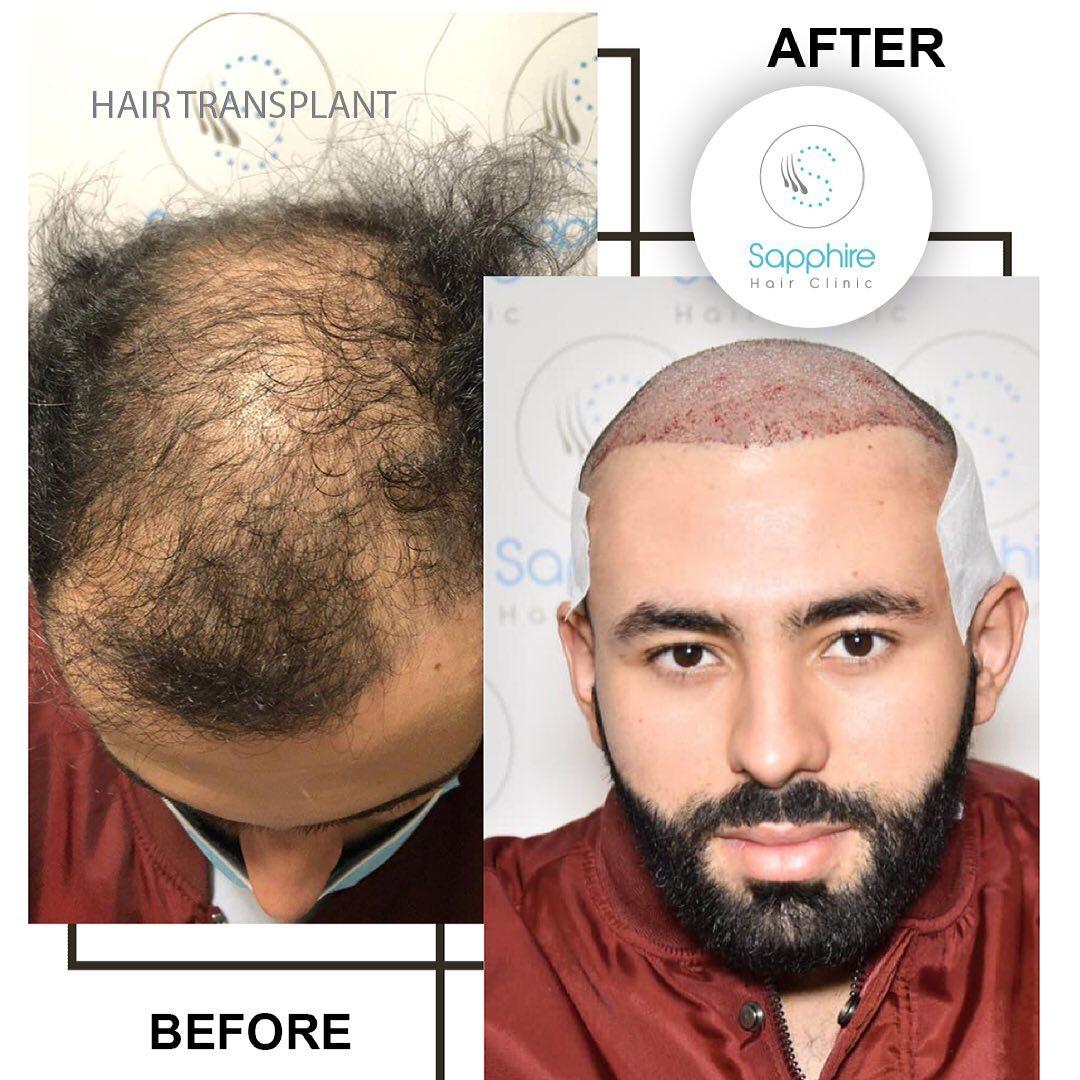
What's more? Not going for the proper procedure can also have adverse effects. Not everyone qualifies for hair transplantation, and the doctor should examine you to determine the suitable transplantation method.
How can you prevent hair transplant failure?
1. Seek professional services
Most people have discovered the many benefits of hair transplants. Most hair transplant clinics have since come up to cater to this demand. There are different hair transplant procedures, and no surgeon fits all.
Conduct thorough research and have the procedure performed by an expert surgeon. Check the number of previous hair transplants performed and the success rates. Interview the surgeon to ascertain that they have years of experience and the necessary skills to perform the procedure.
Moreover, check other essentials like licensing by the state and all other certifications to qualify the surgeon to perform hair transplant surgeries. That's not all, though! Visit the surgeon's or clinic's website and read reviews by former clients. By so doing, it will be easier to make a wise selection.
2. Check examples of the surgeon's work.
Experienced hair transplant surgeons are likely to have photos of successful hair transplants. You can get these on the clinic's website or use photos from the surgeon's office. Compare the images given and decide if that's what you want.
Discuss this with the surgeon and have the professional understand the type of look you want to achieve. If possible, get contacts for some of the former patients and contact them. You'll get lots of information regarding the success rates and any emerging post-surgery issues.
3. Discuss treatment options with your doctor
There are various treatments and therapies for balding or thinning hair. In most cases, hair transplants are the last resort after medication, diet, and other therapies have failed. Discuss this with your doctor to ascertain whether you qualify for FUE or a dhi hair transplant.

Before the surgery, the doctor will obtain a detailed history medical history. He or she will carry out various tests to evaluate your type of hair loss, hair diagnosis, and the possibility of future complications. The information will be handy in determining whether you qualify for hair transplant surgery.
If you're a suitable candidate, the doctor will guide you on the different hair transplantation methods, their pros, cons, and possible risks. Weigh your options, and choose the most suitable hair implantation procedure for your condition.
4. Choose a safe donor area
Inexperienced surgeons can make mistakes and choose the wrong donor area for a hair transplant. If the doctor harvests follicular grouping extracted improperly, the results will be terrible on both the recipient and the donor area.
The back of your head is the best donor spot where the surgeon should extract healthy hair follicles. The beard and breast hair can also be useful. Still, the surgeon can combine the donor hair from the back of your head with hair strands from other body parts to deliver natural results. However, if the hair follicles aren't extracted using proper techniques, the transplant may fail.
5. Follow a proper post-care procedure
All types of hair transplants come with detailed post-care guidelines. Caring for your hair after the surgery is as important as the surgery itself. The surgeon will guide you on how to care for your hair and scalp after the procedure. He or she will also give you detailed guidelines on post-operative care and treatment.
Not following the given instructions can affect the results of your surgery. Also, not caring for the implant area can cause infections which can affect your health adversely. It's then advisable to follow all the doctor's guidelines and go for post-operative checkups as required.
What should I do after a hair transplant procedure?
Even when you qualify for a hair transplant and the produce is performed as per the standards, some things can still go wrong! Your hair may not grow as expected, and the post-care procedure matters a lot.
Here's what to keep in mind;
-
Have someone drive you home after the surgery; you may still have traces of anesthesia in your system. Once you get home, rest adequately, and elevate your head slightly while sleeping to minimize swelling.
-
In the first few weeks post-surgery, avoid alcohol and any medicines with aspirin. Moreover, tell your doctor about any drugs that you may be taking. The surgeon may prescribe other medications that you can take until the effect of the transplant subsidizes.
-
Use a sterile solution to keep your grafts clean and well hydrated. This way, your grafts will stay healthy, leasing to better growth. If you're given any ointment, you should also apply that religiously.
-
Avoid rigorous work or exercises. Also, protect your grafts when going out for dirt can harm them, causing them to fall out. Dirt can also cause infections which enhances the likelihood of transplant failures.
-
Avoid touching the transplanted area, and if you must do it, wash and disinfect your hands first. You can wash your hair a day after the surgery but should do this with care to avoid dislodging the transplanted hair. Moreover, keep off styling tools and products for about 15 days or when the crusts have fallen off.
Final thoughts
Hair transplants have a higher success rate when performed by professionals. Don't go for just any surgeon or seek sub-standards services to save on cost. Seek treatment from accredited clinics and engage the best surgeons in your state. This way, you avoid costly mistakes during your hair transplantation procedure.
This article does not necessarily reflect the opinions of the editors or management of EconoTimes







