


 Nike Earnings at Risk as UBS Cuts Price Target to $42
  Paramount-Warner Bros $110 Billion Deal Draws Antitrust Backlash
  Qualcomm Gains on $60B Amazon AI Chip Deal
  Nvidia CEO Jensen Huang Expected at Trump-Xi State Dinner
  Hyundai CEO Warns Chinese Automakers Could Disrupt US Market
  Meta Partners With Shopify to Bring Shop Pay Checkout to Muse AI
  MediaTek Unveils 2nm Dimensity 9600 Pro AI Chip
  Apple Pay Set for India Launch With Axis Bank
  Guterres Urges Stronger Global AI Safeguards Ahead of UN Assembly
  Physicists zoom into the birth of cosmic rainstorms with new CERN study
  Westinghouse Targets $50 Billion Valuation in U.S. IPO
  SpaceX Nasdaq 100 Weight to More Than Double in Rebalance
  NASA, Boeing Discuss Expanding Starliner Missions
  Prysmian, Rio Tinto Supply Low-Carbon Cables for Amazon Ohio Data Center
  Petrobras Joins Brazil’s New Diesel Subsidy Program
  Who should own the knowledge that underpins AI technology?
  US Federal Register Drops Alibaba Qwen AI Search Tool


 Add as a preferred source on Google
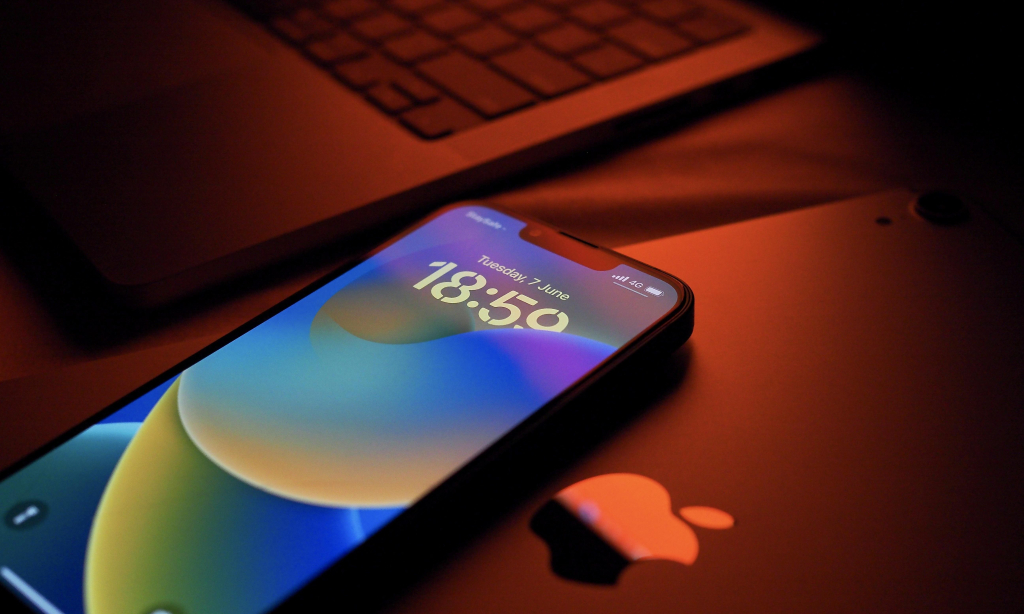
Apple is rumored to launch the iPhone SE 4 early next year, featuring an OLED display, marking the final phase in the company’s transition from LCD to OLED technology across its entire iPhone lineup.
Apple Completes Switch to OLED
In what would be the final step in Apple's embrace of OLED technology across all iPhone models, the company is rumoured to unveil a fourth-generation iPhone SE early next year featuring an OLED display.
Nikkei Asia reports that two long-standing Japanese panel manufacturers, Sharp and Japan Display (JDI), will no longer be part of Apple's iPhone supply chain due to the decision to abandon LCD screens.
Apple Introduced OLED in iPhone X
Apple debuted organic light-emitting diode screens in the iPhone X in 2017. In the time after, Apple's premium iPhone models began using OLED displays instead of LCD panels. This change has had a major effect on companies who provide LCDs. About 200 million LCD panels per year for iPhones were supplied by JDI and Sharp in 2015.
According to MacRumors, however, by 2023, that figure had dropped significantly to about 20 million. Both Japanese LCD manufacturers have recently supplied just iPhone SE models due to Apple's growing use of organic light-emitting diode technology.
JDI and Sharp Shift Focus Away from Apple
For products like the Apple Watch, JDI presently only provides tiny OLED screens. While Sharp is cutting back on its LCD business—which was mostly for TVs—JDI is refocusing on LCDs for automotive applications.
On the other hand, reports indicate that Apple has started sourcing organic light-emitting diode panels from BOE Technology Group in China and LG Display in South Korea for the forthcoming iPhone SE.
iPhone SE 4 Design Mirrors iPhone 14
Reported features of the upcoming fourth-generation iPhone SE include a design similar to that of the iPhone 14, Face ID rather than Touch ID, a USB-C connection, an Action button, a 5G modem developed by Apple, an A18 CPU, and a completely screen-free design that eliminates the Home button.
The hardware needs of Apple Intelligence are driving expectations for a larger display (4.7 inches vs. 6.06 inches) and more RAM (8GB vs. 4GB in the 2022 model).
Mass Production Begins in October 2024
In October of this year, Apple's suppliers will reportedly start producing the iPhone in large quantities.
In January of 2025, just before the Lunar New Year, the gadget might be unveiled. Nonetheless, March has seen the announcement of all three previous iPhone SE versions, so it's not out of the question that the same may happen in 2025.







